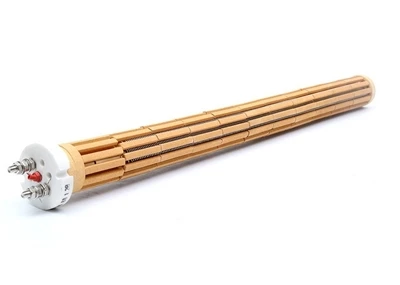
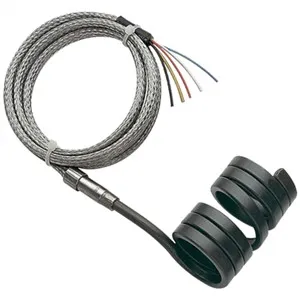
Hey there! As a supplier of thick film heaters, I often get asked about the thermal expansion coefficient of these nifty devices. So, I thought I'd take a deep dive into this topic and share what I know with you all.
First off, let's talk about what the thermal expansion coefficient actually is. In simple terms, it's a measure of how much a material expands or contracts when its temperature changes. Every material has its own unique thermal expansion coefficient, and this property can have a big impact on how well a thick film heater performs.
For thick film heaters, the thermal expansion coefficient is crucial because these heaters are designed to generate heat quickly and efficiently. When a thick film heater is powered on, it heats up rapidly, and if the materials used in its construction have different thermal expansion coefficients, it can lead to all sorts of problems. For example, the heater might crack or delaminate, which can reduce its lifespan and performance.
So, what's the ideal thermal expansion coefficient for a thick film heater? Well, it depends on a few factors, like the specific application and the materials used in the heater's construction. Generally speaking, you want the materials to have similar thermal expansion coefficients to minimize stress and ensure long-term reliability.
Most thick film heaters are made up of several layers, including a substrate, a resistive layer, and a protective layer. Each of these layers has its own thermal expansion coefficient, and it's important to choose materials that are compatible with each other. For example, the substrate is usually made of a ceramic material, which has a relatively low thermal expansion coefficient. The resistive layer, on the other hand, is typically made of a metal or metal alloy, which has a higher thermal expansion coefficient. To ensure compatibility, manufacturers often use special bonding techniques and materials to minimize the difference in thermal expansion between the layers.
Another factor to consider is the operating temperature range of the thick film heater. Different materials have different thermal expansion coefficients at different temperatures, so it's important to choose materials that can withstand the expected temperature range of the application. For example, if a thick film heater is going to be used in a high-temperature application, like a furnace or a kiln, you'll need to choose materials with a high thermal expansion coefficient that can handle the extreme heat without cracking or delaminating.


Now, let's take a look at some of the specific types of thick film heaters we offer and how their thermal expansion coefficients might affect their performance.
One of our popular products is the Thick Film Heating Tube Of Milk Processor. This heater is designed to heat milk quickly and efficiently in a milk processing plant. The thermal expansion coefficient of the materials used in this heater is carefully selected to ensure that it can handle the repeated heating and cooling cycles without cracking or delaminating. This helps to ensure a long lifespan and reliable performance, which is essential in a food processing environment.
Another product we offer is the Tubular Thick Film Heater For Water Dispenser. This heater is used to heat water in a water dispenser, and it needs to be able to heat up quickly and maintain a consistent temperature. The thermal expansion coefficient of the materials used in this heater is optimized to ensure that it can handle the rapid temperature changes without warping or cracking. This helps to ensure that the heater provides a reliable and consistent supply of hot water.
Finally, we also offer Thick Film Element that can be used in a variety of applications, from industrial heating to consumer electronics. These elements are designed to be highly efficient and reliable, and the thermal expansion coefficient of the materials used in their construction is carefully controlled to ensure long-term performance.
In conclusion, the thermal expansion coefficient is an important property to consider when choosing a thick film heater. By selecting materials with compatible thermal expansion coefficients and optimizing the design of the heater, we can ensure that our products provide reliable and efficient performance in a wide range of applications.
If you're in the market for a thick film heater and have any questions about thermal expansion coefficients or any other aspect of our products, don't hesitate to reach out. We're here to help you find the right heater for your needs and ensure that you get the best possible performance and value.
References
- "Thermal Expansion in Engineering Materials" by John W. Dally and Wallace F. Riley
- "Handbook of Thermal Expansion of Solids" edited by Richard S. Graves and John W. Dally