Hey there! As a band heater supplier, I've seen my fair share of band heater malfunctions. It can be a real headache when these things go wrong, but don't worry – I'm here to walk you through how to handle a band heater when it acts up.
Identifying the Problem
The first step in handling a malfunctioning band heater is to figure out what's going on. There are a few common issues that you might encounter.
No Heat
One of the most obvious problems is when the band heater doesn't produce any heat. This could be due to a few different reasons. Maybe there's a problem with the power supply. Check if the heater is properly plugged in and if the circuit breaker hasn't tripped. Sometimes, a loose connection can also cause this issue. Take a look at the wiring and make sure everything is securely attached.
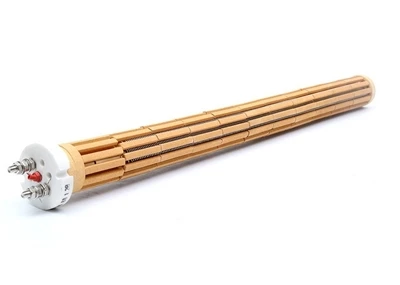
Another possibility is that the heating element itself is faulty. Over time, the Band Heating Element can wear out or break. If you suspect this is the case, you'll need to test the element with a multimeter. If it shows an open circuit, then it's definitely time to replace it.
Uneven Heating
If you notice that the band heater is heating unevenly, it could be because of a damaged or worn-out insulation. The insulation helps to distribute the heat evenly across the surface of the heater. When it's damaged, the heat might be concentrated in one area while other parts stay cool. Inspect the insulation for any signs of damage, such as cracks or burns. If you find any issues, you'll likely need to replace the heater.
Another cause of uneven heating could be a problem with the mounting. If the band heater isn't properly mounted on the equipment, it might not make good contact with the surface, leading to uneven heat transfer. Make sure the heater is tightly secured and centered on the object it's supposed to heat.
Overheating
Overheating can be a serious problem as it can damage not only the band heater but also the equipment it's attached to. One common reason for overheating is a malfunctioning thermostat. The thermostat is responsible for regulating the temperature of the heater. If it's not working correctly, it might not turn off the power when the desired temperature is reached, causing the heater to keep getting hotter. You can test the thermostat with a multimeter to see if it's functioning properly. If it's faulty, replace it as soon as possible.
Another factor that can contribute to overheating is poor ventilation. Band heaters need proper airflow to dissipate heat. If they're installed in an enclosed space without enough ventilation, the heat can build up and cause the heater to overheat. Make sure there's enough space around the heater for air to circulate.
Troubleshooting Steps
Once you've identified the problem, it's time to start troubleshooting. Here are some steps you can take depending on the issue you're facing.
For No Heat
- Check the Power Source: As I mentioned earlier, make sure the heater is plugged in and the circuit breaker is on. You can also try plugging the heater into a different outlet to see if the problem is with the power supply.
- Inspect the Wiring: Look for any loose or damaged wires. If you find a loose connection, tighten it. If a wire is damaged, you'll need to repair or replace it. Just make sure to turn off the power before you start working on the wiring to avoid any electrical shocks.
- Test the Heating Element: Use a multimeter to check the resistance of the heating element. If the reading is infinite or very high, it means the element is broken and needs to be replaced. You can find replacement elements for Band Heating Element on our website.
For Uneven Heating
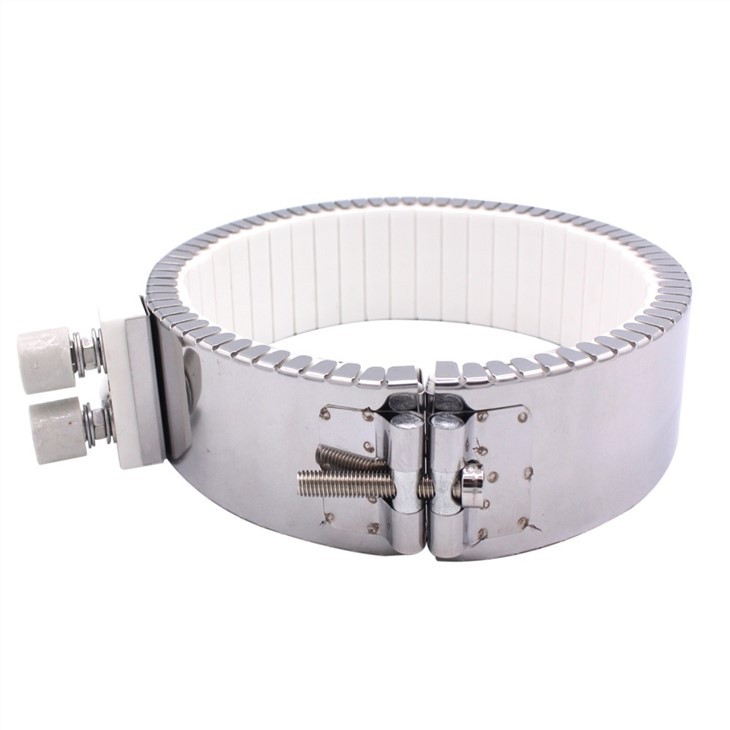
- Check the Insulation: Examine the insulation for any signs of damage. If you find any cracks or burns, you'll need to replace the heater. We offer a variety of Ceramic Band Heaters that have excellent insulation properties.
- Verify the Mounting: Make sure the band heater is properly mounted on the equipment. It should be centered and tightly secured. If necessary, adjust the mounting hardware to ensure good contact between the heater and the surface.
For Overheating
- Test the Thermostat: Use a multimeter to check the thermostat's functionality. If it's not working correctly, replace it with a new one.
- Improve Ventilation: If the heater is installed in an enclosed space, try to improve the ventilation. You can add fans or vents to increase the airflow around the heater.
When to Replace the Band Heater
Sometimes, troubleshooting isn't enough, and you'll need to replace the band heater. Here are some signs that it's time for a new one:

- Severe Damage: If the heating element is broken beyond repair, the insulation is severely damaged, or the casing is cracked, it's usually best to replace the heater.
- Frequent Malfunctions: If you're constantly having problems with the band heater, even after troubleshooting and making repairs, it might be more cost - effective in the long run to get a new one.
- Old Age: Band heaters have a limited lifespan. If your heater is several years old and starting to show signs of wear and tear, it's a good idea to consider replacing it before it causes more serious problems.
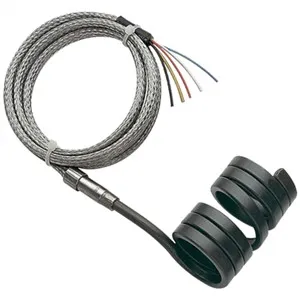
We offer a wide range of band heaters, including Brass Nozzle Heater Band, that are high - quality and reliable. Our products are designed to meet the needs of various industries and applications.
Preventive Maintenance
To avoid band heater malfunctions in the first place, it's important to perform regular preventive maintenance. Here are some tips:
- Clean the Heater Regularly: Dust and debris can accumulate on the surface of the band heater, which can affect its performance. Use a soft brush or compressed air to clean the heater periodically.
- Inspect the Wiring and Connections: Check the wiring and connections for any signs of wear or damage on a regular basis. Tighten any loose connections and replace any damaged wires.
- Test the Thermostat: Every few months, test the thermostat to make sure it's working correctly. This can help you catch any potential problems before they cause a malfunction.
Conclusion
Handling a band heater when it malfunctions can be a bit of a challenge, but with the right knowledge and tools, you can troubleshoot and fix most issues. Remember to always follow safety procedures when working with electrical equipment. If you're not comfortable performing the repairs yourself, don't hesitate to contact a professional.
If you're in the market for a new band heater or need replacement parts, we're here to help. We have a wide selection of high - quality band heaters to meet your needs. Whether you need a Band Heating Element, a Brass Nozzle Heater Band, or a Ceramic Band Heaters, we've got you covered. Contact us to start a procurement discussion and find the perfect solution for your heating needs.
References
- General knowledge and experience from working as a band heater supplier.
- Manufacturer's guidelines for band heater maintenance and troubleshooting.