In the realm of industrial heating solutions, nozzle band heaters play a pivotal role. As a trusted supplier of nozzle band heaters, I've witnessed firsthand the diverse requirements and applications of these essential components. One critical factor that significantly influences the performance of a nozzle band heater is the length of its heating element. In this blog post, we'll delve into the intricate relationship between the heating element length and the heater's performance, shedding light on how this parameter can impact various aspects of its operation.
Understanding Nozzle Band Heaters
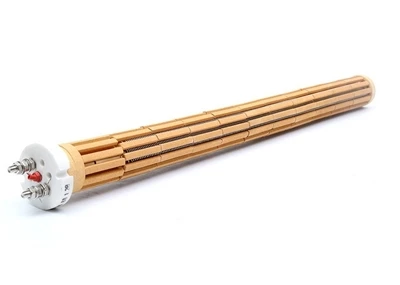
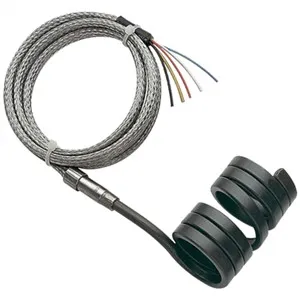
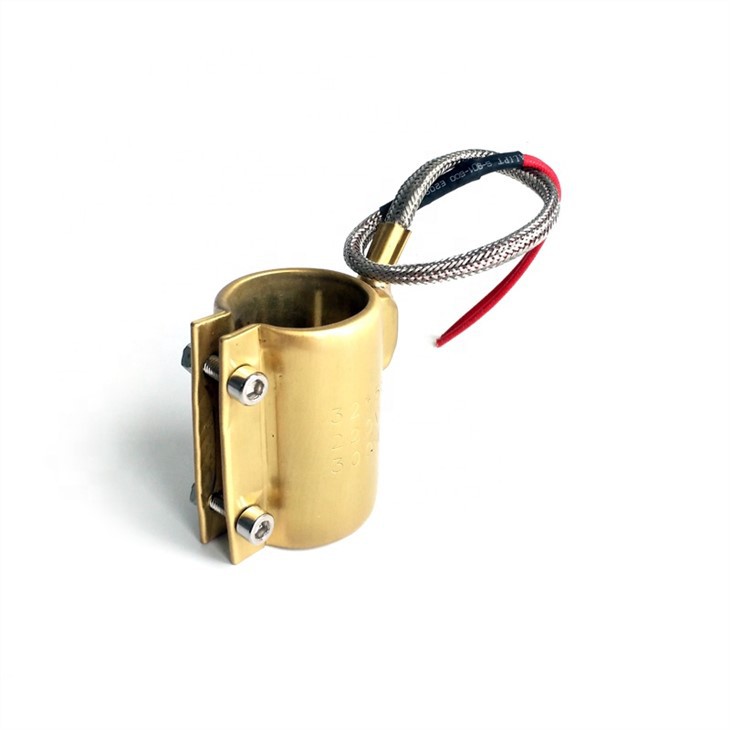
Before we explore the impact of heating element length, let's briefly understand what nozzle band heaters are. These heaters are designed to provide precise and efficient heating to nozzles in a wide range of industrial applications, including plastic injection molding, packaging machines, and extrusion processes. They typically consist of a heating element encased in a metal sheath, which is then wrapped around the nozzle to transfer heat effectively.
The Role of the Heating Element
The heating element is the heart of a nozzle band heater. It converts electrical energy into heat, which is then transferred to the nozzle. The efficiency and effectiveness of this heat transfer depend on several factors, including the material of the heating element, its resistance, and its length.
Effect on Heat Output
One of the most direct ways the length of the heating element affects the performance of a nozzle band heater is through its impact on heat output. Generally, a longer heating element has a higher resistance. According to Ohm's Law (V = IR, where V is voltage, I is current, and R is resistance), for a given voltage, a higher resistance will result in a lower current. However, the power dissipated by the heating element is given by the formula P = IV (power = current x voltage), or alternatively, P = V²/R. As the length of the heating element increases, its resistance increases, and the power dissipated (which is equivalent to the heat output) decreases, assuming a constant voltage supply.
Conversely, a shorter heating element has a lower resistance, which allows more current to flow through it. This results in a higher power dissipation and, consequently, a higher heat output. Therefore, if you need a nozzle band heater to provide a large amount of heat quickly, a shorter heating element may be more suitable.
Temperature Distribution
The length of the heating element also affects the temperature distribution along the nozzle. A longer heating element covers a larger surface area of the nozzle, which can lead to a more uniform temperature distribution. This is particularly important in applications where precise temperature control is required, such as in plastic injection molding. Uneven temperature distribution can cause issues such as inconsistent melting of the plastic, which can lead to defects in the final product.
On the other hand, a shorter heating element may provide a more concentrated heat source. This can be advantageous in applications where you need to heat a specific area of the nozzle quickly, such as in some packaging machines. However, it also means that the temperature gradient along the nozzle may be steeper, which could potentially lead to uneven heating if not properly managed.

Heating Time
The heating time, or the time it takes for the heater to reach its desired operating temperature, is another critical aspect influenced by the length of the heating element. A shorter heating element, with its higher heat output, can heat up the nozzle more quickly. This can be beneficial in applications where rapid heating is required, such as in start-up situations or when there are frequent interruptions in the production process.
In contrast, a longer heating element may take longer to heat up the nozzle due to its lower heat output. However, once it reaches the desired temperature, it may be more effective at maintaining a stable temperature, as the larger surface area of contact with the nozzle allows for better heat transfer and less heat loss.
Energy Efficiency
Energy efficiency is a major concern in industrial applications. A well-designed nozzle band heater should be able to provide the required heat output while consuming as little energy as possible. The length of the heating element can have a significant impact on energy efficiency.
As mentioned earlier, a longer heating element has a higher resistance and lower power dissipation. This means that it consumes less electrical energy to maintain a given temperature. In applications where the heater operates continuously for long periods, a longer heating element can result in significant energy savings over time.
However, it's important to note that the overall energy efficiency of a nozzle band heater also depends on other factors, such as the insulation of the heater and the thermal conductivity of the nozzle material.
Applications and Considerations
The choice of heating element length should be based on the specific requirements of the application. Here are some common applications and the corresponding considerations regarding heating element length:
-
Plastic Injection Molding: In this application, precise temperature control and uniform temperature distribution are crucial. A longer heating element may be preferred to ensure even melting of the plastic and prevent defects in the molded parts. You can explore our Injection Nozzle Copper Band Heater for high - performance solutions in plastic injection molding.
-
Packaging Machines: Packaging machines often require rapid heating and cooling cycles. A shorter heating element can provide the quick heat-up times needed for these applications. Check out our Brass Band Heater For Packaging Machine for efficient heating solutions in packaging.
-
Industrial Processes: Industrial nozzle band heaters are used in a variety of manufacturing processes. The choice of heating element length depends on the specific requirements of the process, such as the size of the nozzle, the required heat output, and the desired temperature distribution. Our Industrial Nozzle Band Heater offers customizable options to meet different industrial needs.
Conclusion
In conclusion, the length of the heating element in a nozzle band heater has a profound impact on its performance. It affects heat output, temperature distribution, heating time, and energy efficiency. As a supplier, we understand the importance of selecting the right heating element length for each application. By carefully considering the specific requirements of your process, we can provide you with a nozzle band heater that offers optimal performance and reliability.
If you're in the market for a high - quality nozzle band heater, we invite you to contact us for a detailed discussion about your needs. Our team of experts is ready to assist you in selecting the most suitable heater for your application and to provide you with the best possible solution.
References
- Incropera, F. P., & DeWitt, D. P. (2002). Fundamentals of Heat and Mass Transfer. John Wiley & Sons.
- Holman, J. P. (2002). Heat Transfer. McGraw - Hill.