Hey there! As a supplier of Vacuum Pump Flat Heaters, I often get asked about the maximum pressure these heaters can withstand. It's a super important question, especially for those in industries that rely on these heaters for their operations. So, let's dive right in and explore this topic in detail.
First off, understanding the basic working principle of a vacuum pump flat heater is crucial. These heaters are designed to heat up substances in a vacuum environment. They're used in a wide range of applications, from laboratory experiments to industrial manufacturing processes. The key here is to maintain a stable temperature and pressure within the system to ensure everything works smoothly.
When it comes to the maximum pressure a vacuum pump flat heater can handle, it depends on several factors. One of the main factors is the material used to make the heater. Different materials have different strength and heat resistance properties. For example, some heaters are made from high - grade stainless steel, which can withstand relatively high pressures. Stainless steel is known for its durability and corrosion resistance, making it a popular choice for many industrial applications.
Another factor is the design of the heater. Well - designed heaters are engineered to distribute heat evenly and handle the pressure exerted on them. A good design can prevent hot spots and stress concentrations, which could otherwise lead to the failure of the heater. For instance, a heater with a uniform coil distribution can better handle pressure compared to one with a poorly arranged coil.
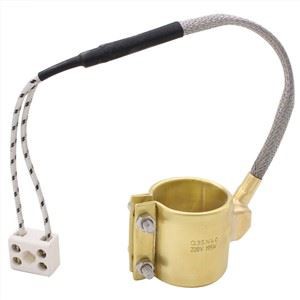
Let's talk about the types of vacuum pump flat heaters we offer. We have the Vacuum Diffusion Pump Heater. This type of heater is often used in vacuum diffusion pumps, which are essential in high - vacuum applications. Vacuum diffusion pumps work by using a high - speed jet of vapor to trap and remove gas molecules from the system. The heater needs to be able to withstand the pressure and heat generated during this process.
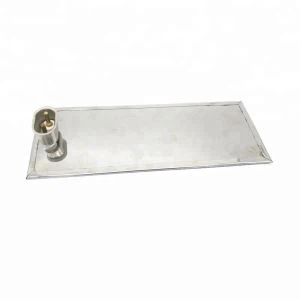
Our Triangle Coil Flat Heating Element is another great option. The unique triangle coil design allows for efficient heat transfer and can handle a certain amount of pressure. The triangular shape helps in distributing the heat more evenly across the surface, reducing the risk of overheating and pressure - related failures.
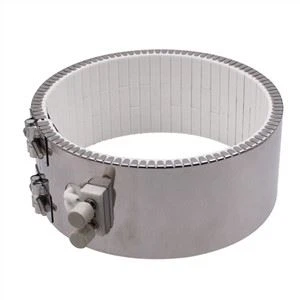
In molecular distillation processes, we have the Diffusion Pump Heaters in Molecular Distillation. Molecular distillation is a separation technique that works under high - vacuum conditions. The heaters used in this process must be able to withstand the specific pressures and temperatures involved to ensure accurate and efficient separation.
Now, how do we determine the maximum pressure a vacuum pump flat heater can withstand? We use a combination of theoretical calculations and practical testing. Our engineers use advanced software to simulate the pressure and heat distribution within the heater. This helps us predict its performance under different conditions. After that, we conduct real - world tests in our state - of - the - art laboratory. We subject the heaters to various pressures and record their performance. This way, we can accurately determine the maximum pressure they can handle safely.
But it's not just about the maximum pressure. We also need to consider other factors like the operating temperature, the duration of operation, and the type of gas or vapor in the system. For example, if the heater is operating at a very high temperature, the maximum pressure it can withstand might decrease. Similarly, if the gas or vapor in the system is corrosive, it can affect the integrity of the heater over time.
In general, our vacuum pump flat heaters can withstand pressures ranging from a few millibars to several bars, depending on the model and the specific application. For low - pressure applications, such as some laboratory setups, our heaters can handle pressures as low as 0.1 millibar. On the other hand, for high - pressure industrial applications, they can go up to 5 bars or even more.
It's important to note that while our heaters are designed to be robust, proper installation and maintenance are crucial. Incorrect installation can lead to uneven pressure distribution, which can reduce the lifespan of the heater. Regular maintenance, such as checking for any signs of damage or wear, can also ensure that the heater continues to perform at its best.
We also offer customization options for our vacuum pump flat heaters. If you have specific pressure requirements for your application, we can work with you to design a heater that meets your needs. Our team of experienced engineers will work closely with you to understand your requirements and come up with the best solution.
So, if you're in the market for a vacuum pump flat heater and have questions about the maximum pressure it can withstand, or any other aspect of our products, don't hesitate to get in touch. Whether you're running a small laboratory or a large industrial plant, we have the expertise and the products to meet your needs. Connect with us to discuss your procurement needs and find the perfect vacuum pump flat heater for your operations.


References:
- Engineering textbooks on thermodynamics and materials science.
- Internal research and development reports from our company.