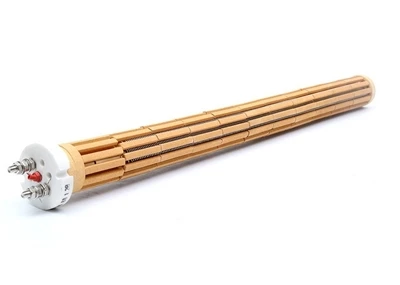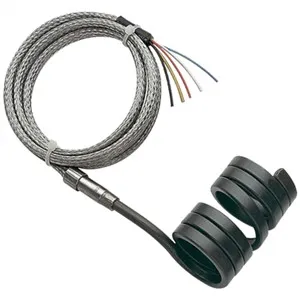
As a leading supplier of flat cartridge heaters, I often receive inquiries about the installation dimensions of these essential heating components. Understanding the correct installation dimensions is crucial for ensuring optimal performance and safety in various industrial applications. In this blog post, I will delve into the key aspects of the installation dimensions of flat cartridge heaters, providing valuable insights for both new and experienced users.
Understanding Flat Cartridge Heaters
Before we discuss the installation dimensions, let's briefly review what flat cartridge heaters are. Flat cartridge heaters are compact, high-performance heating elements designed to provide efficient and uniform heating in a variety of applications. They consist of a resistive heating element enclosed in a metal sheath, typically made of stainless steel or Incoloy. The flat design of these heaters allows for easy installation in tight spaces and provides excellent heat transfer to the surrounding medium.
Flat cartridge heaters are commonly used in applications such as plastic molding, packaging machinery, food processing equipment, and medical devices. Their versatility and reliability make them a popular choice for industries that require precise temperature control and fast heating response.
Key Installation Dimensions
The installation dimensions of a flat cartridge heater are determined by several factors, including the heater's length, width, thickness, and terminal design. Here are the key dimensions to consider when installing a flat cartridge heater:
Length and Width
The length and width of a flat cartridge heater are typically measured in millimeters or inches. These dimensions determine the physical size of the heater and play a crucial role in its compatibility with the application. When selecting a flat cartridge heater, it is important to choose a size that fits securely within the heating cavity or mounting location.
The length of the heater should be sufficient to cover the desired heating area, while the width should be compatible with the available space. In some cases, custom lengths and widths may be available to meet specific application requirements. For more information on custom-sized flat cartridge heaters, you can visit our product page on Flat Thermal Heaters.
Thickness
The thickness of a flat cartridge heater refers to the distance between the two flat surfaces of the heater. This dimension is important for ensuring proper heat transfer and insulation. Thicker heaters may provide better heat retention and durability, but they may also require more space for installation.
The thickness of a flat cartridge heater typically ranges from a few millimeters to several centimeters, depending on the application requirements. When selecting a heater, it is important to consider the available space and the desired heat transfer characteristics. For high-power applications or applications that require rapid heating, a thinner heater may be more suitable. For more information on the thickness options available for flat cartridge heaters, you can visit our product page on Cartridge Heater Flat Heating Element.
Terminal Design
The terminal design of a flat cartridge heater refers to the method of connecting the heater to the power supply. The most common terminal designs for flat cartridge heaters include wire leads, screw terminals, and quick-connect terminals. The choice of terminal design depends on the application requirements and the ease of installation.
Wire leads are the simplest and most common terminal design for flat cartridge heaters. They consist of two insulated wires that are connected to the heating element. Wire leads are typically soldered or crimped to the terminals of the heater. Screw terminals provide a more secure and reliable connection, especially in applications where vibration or movement is present. Quick-connect terminals are designed for easy installation and removal, making them ideal for applications that require frequent maintenance or replacement.


When selecting a flat cartridge heater, it is important to choose a terminal design that is compatible with the power supply and the application environment. For more information on the terminal design options available for flat cartridge heaters, you can visit our product page on Flat Electric Cartridge Heater.
Installation Considerations
In addition to the key installation dimensions, there are several other factors to consider when installing a flat cartridge heater. These factors can affect the performance, safety, and longevity of the heater. Here are some important installation considerations:
Mounting Surface
The mounting surface for a flat cartridge heater should be clean, flat, and free of any debris or contaminants. The heater should be securely mounted to the surface using appropriate fasteners or clamps to ensure good thermal contact. A thermal interface material, such as thermal grease or tape, can be used to improve the heat transfer between the heater and the mounting surface.
Electrical Connections
Proper electrical connections are essential for the safe and reliable operation of a flat cartridge heater. The heater should be connected to the power supply using appropriate wiring and terminals. The electrical connections should be tightened securely to prevent loose connections, which can cause overheating and electrical hazards.
Environmental Factors
The operating environment can also affect the performance and longevity of a flat cartridge heater. The heater should be installed in a location that is free of moisture, dust, and other contaminants. In high-temperature or corrosive environments, special materials or protective coatings may be required to ensure the durability of the heater.
Temperature Control
To ensure optimal performance and safety, a flat cartridge heater should be equipped with a temperature control device, such as a thermostat or a temperature controller. The temperature control device can be used to regulate the temperature of the heater and prevent overheating.
Conclusion
In conclusion, the installation dimensions of a flat cartridge heater are crucial for ensuring optimal performance and safety in various industrial applications. By understanding the key installation dimensions, such as length, width, thickness, and terminal design, and considering the installation considerations, such as mounting surface, electrical connections, environmental factors, and temperature control, you can ensure that your flat cartridge heater is installed correctly and operates efficiently.
At [Company Name], we are a leading supplier of high-quality flat cartridge heaters. Our heaters are available in a wide range of sizes, power ratings, and terminal designs to meet the diverse needs of our customers. Whether you are looking for a standard off-the-shelf heater or a custom-designed solution, we can provide you with the right product for your application.
If you have any questions or need further information about our flat cartridge heaters or their installation dimensions, please do not hesitate to contact us. Our team of experts is always ready to assist you with your heating needs. We look forward to the opportunity to work with you and provide you with the best heating solutions for your business.
References
- ASME Boiler and Pressure Vessel Code
- IEEE Standard for Heaters, Immersion and Circulation, for Use in Liquids
- National Electrical Code (NEC)