As a supplier of Ceramic Band Heaters, I often receive inquiries about the suitability of our products in various industrial applications. One question that comes up quite frequently is whether ceramic band heaters can be used in a rubber-processing plant. In this blog post, I will delve into this topic, exploring the properties of ceramic band heaters, the requirements of rubber processing, and how these two elements intersect.

Understanding Ceramic Band Heaters
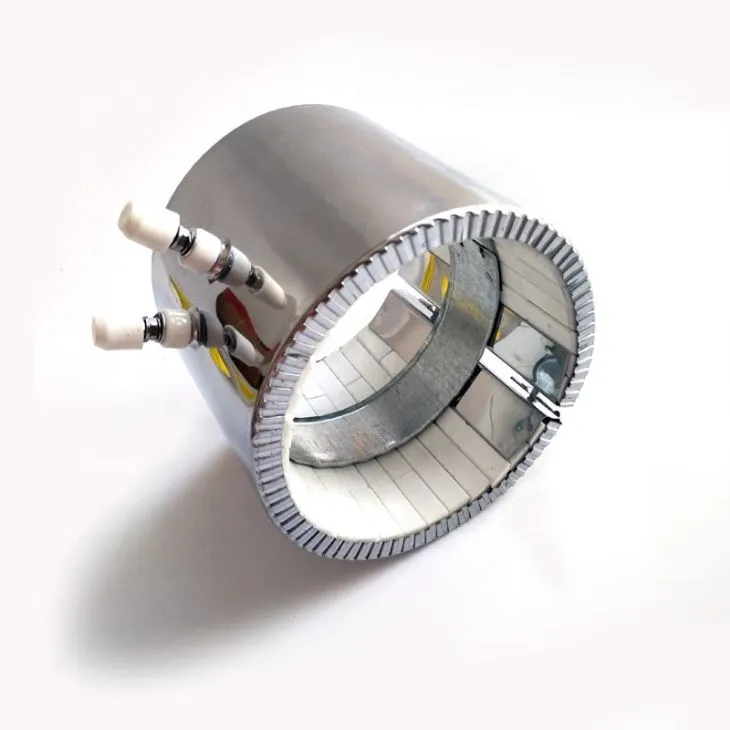
Ceramic band heaters are a type of industrial heating element designed to provide uniform and efficient heat transfer. They consist of a series of ceramic insulation modules that house high-resistance heating wires. The ceramic material offers excellent thermal insulation properties, which helps to minimize heat loss and improve energy efficiency.
One of the key advantages of ceramic band heaters is their high watt density. This means that they can generate a large amount of heat in a relatively small space, making them ideal for applications where rapid heating is required. Additionally, ceramic band heaters can operate at high temperatures, typically ranging from 300°C to 1200°C, depending on the specific model and design.
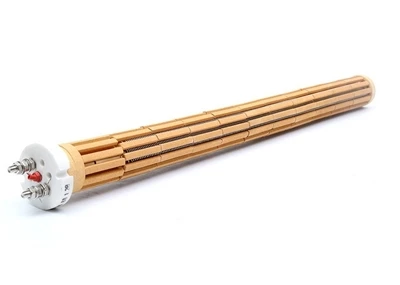
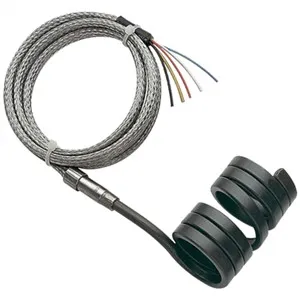
There are different types of ceramic band heaters available in the market to suit various industrial needs. For example, the Industrial Ceramic Insulated Band Heater is designed for general industrial applications, offering reliable and efficient heating performance. The Meltblown Extruder Ceramic Insulated Band Heater is specifically tailored for meltblown extrusion processes, where precise temperature control is crucial. And the 480v Ceramic Band Heater is suitable for applications that require higher voltage operation.
Rubber Processing Requirements
Rubber processing involves a series of operations, including mixing, shaping, and vulcanization. Each of these processes has specific temperature requirements to ensure the quality and performance of the final rubber products.
During the mixing process, rubber is combined with various additives, such as fillers, plasticizers, and accelerators. The temperature needs to be carefully controlled to ensure proper dispersion of the additives and to prevent premature vulcanization. Typically, the mixing temperature ranges from 50°C to 150°C.
Shaping processes, such as extrusion and molding, require the rubber to be in a molten or semi-molten state. The temperature during these processes can range from 100°C to 200°C, depending on the type of rubber and the specific shaping requirements.
Vulcanization is a chemical process that cross-links the rubber molecules, giving the rubber its final properties, such as elasticity, strength, and heat resistance. The vulcanization temperature can vary widely, from around 120°C to 200°C or even higher, depending on the type of rubber and the vulcanization system used.
Can Ceramic Band Heaters Be Used in a Rubber - Processing Plant?
The answer is yes, ceramic band heaters can be effectively used in a rubber-processing plant. Here are some reasons why:
1. Temperature Control
Ceramic band heaters offer excellent temperature control capabilities. They can be easily adjusted to provide the precise temperature required for each stage of the rubber processing. For example, during the mixing process, the heater can be set to a lower temperature to ensure proper dispersion of additives. In the shaping and vulcanization processes, the heater can be adjusted to a higher temperature to meet the specific requirements of the rubber material.
2. Uniform Heating
Uniform heating is crucial in rubber processing to ensure consistent product quality. Ceramic band heaters provide uniform heat distribution around the circumference of the heating area, which helps to prevent hot spots and uneven curing of the rubber. This results in more consistent physical properties of the final rubber products, such as hardness, elasticity, and tensile strength.
3. Energy Efficiency
As mentioned earlier, ceramic band heaters have excellent thermal insulation properties, which minimize heat loss. This makes them energy-efficient, reducing the overall energy consumption in the rubber-processing plant. In addition, their high watt density allows for rapid heating, which can also contribute to energy savings by reducing the heating time.
4. Durability
Rubber processing plants often operate in harsh environments, with high temperatures, chemicals, and mechanical stress. Ceramic band heaters are designed to be durable and resistant to these conditions. The ceramic insulation material provides good protection against heat, chemicals, and physical damage, ensuring a long service life of the heaters.
Applications of Ceramic Band Heaters in Rubber Processing
1. Extruders
In rubber extrusion processes, ceramic band heaters are used to heat the barrels of the extruder. The heated barrels soften the rubber, allowing it to flow through the die and take on the desired shape. The uniform heating provided by ceramic band heaters ensures consistent extrusion quality and reduces the risk of material degradation.
2. Injection Molding Machines
Ceramic band heaters are also commonly used in rubber injection molding machines. They heat the mold cavities to the required temperature for the rubber to flow and fill the cavities properly. The precise temperature control of ceramic band heaters helps to ensure accurate mold filling and high-quality molded parts.
3. Vulcanization Equipment
For vulcanization processes, ceramic band heaters can be used to heat the vulcanization presses or autoclaves. They provide the necessary heat to activate the vulcanization reaction and cross-link the rubber molecules. The high-temperature capabilities and uniform heating of ceramic band heaters are essential for achieving complete and consistent vulcanization.
Considerations When Using Ceramic Band Heaters in Rubber Processing
While ceramic band heaters are well-suited for rubber processing, there are some considerations to keep in mind:
1. Material Compatibility
It is important to ensure that the materials used in the ceramic band heaters are compatible with the rubber and any chemicals used in the processing. Some chemicals may react with the insulation or heating elements of the heater, which can affect its performance and lifespan.
2. Installation and Maintenance
Proper installation and maintenance of ceramic band heaters are crucial for their optimal performance. The heaters should be installed securely to ensure good contact with the heating surface and to prevent heat loss. Regular maintenance, such as checking for loose connections and cleaning the insulation, can help to extend the service life of the heaters.
3. Safety
As with any high-temperature equipment, safety is a top priority when using ceramic band heaters in a rubber-processing plant. Adequate safety measures, such as the use of temperature controllers, overheat protection devices, and proper ventilation, should be implemented to prevent accidents and ensure the safety of the operators.
Conclusion
In conclusion, ceramic band heaters are a suitable choice for use in a rubber-processing plant. Their excellent temperature control, uniform heating, energy efficiency, and durability make them well-suited for the various processes involved in rubber processing, including mixing, shaping, and vulcanization.
If you are looking for a reliable and efficient heating solution for your rubber-processing plant, we invite you to consider our range of ceramic band heaters. Our products are designed to meet the highest standards of quality and performance, and we are committed to providing excellent customer service. Contact us today to discuss your specific requirements and start a productive procurement negotiation.
References
- ASM International. (n.d.). Rubber Processing Technology Handbook.
- Carl Hanser Verlag. (n.d.). Plastics and Rubber Processing Handbook.
- Radue, D. (2019). Industrial Heating Handbook: A Guide to Theory and Practice. CRC Press.