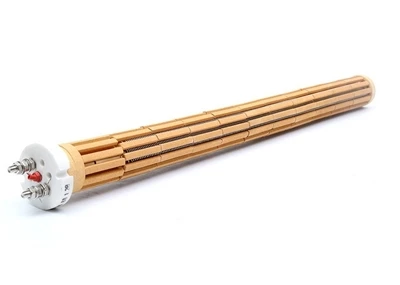
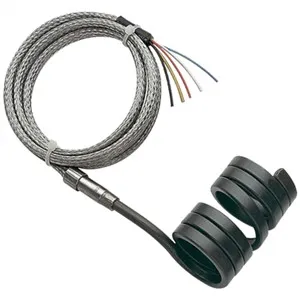
As a mica band heater supplier, I've faced countless situations and questions regarding the safe transportation of our products. Mica band heaters are precision instruments, and improper packaging during transportation can lead to damage, which in turn causes a headache for both us suppliers and our customers. So, what packaging requirements are there for mica band heaters during transportation? Let's dive right in.
1. Protection Against Physical Damage
Mica band heaters are made with delicate components. The mica insulation, for instance, can be easily cracked or damaged if it experiences rough handling. To prevent this, the first layer of packaging needs to provide a cushion. We usually start with soft foam or bubble wrap. This material acts as a shock absorber. It wraps snugly around the heater, filling any gaps and contours. When the package is moved, dropped, or jostled, the foam or bubble wrap reduces the impact on the mica band heater.
After the initial wrapping, we place the heater in a sturdy cardboard box. The box should be of an appropriate size. If it's too big, the heater will move around inside, increasing the risk of damage. If it's too small, the heater might get squeezed or deformed. The cardboard should be thick enough to withstand normal handling during transportation. We often use double - walled or triple - walled cardboard for better protection.
2. Moisture and Humidity Resistance
Mica is hygroscopic, which means it can absorb moisture from the air. Moisture can damage the insulation properties of the mica, and in severe cases, it can even lead to short - circuits in the heater. To protect against moisture, we use moisture - resistant packaging materials. A common choice is a plastic bag or liner.


Before placing the heater in the bag, we make sure it's completely dry. Then we seal the bag tightly. Sometimes, we also add desiccant packs inside the bag. These packs are filled with materials that absorb moisture, keeping the environment inside the bag dry. The sealed plastic bag is then placed inside the cardboard box, providing an extra layer of protection against humidity.
3. Labeling and Identification
Proper labeling is crucial for the transportation of mica band heaters. On the outside of the cardboard box, we clearly label the contents as "Mica Band Heater". This helps the handlers know what's inside the package and handle it with the appropriate care. We also include information about the size, power rating, and any special handling instructions.
For example, if the heater is a Mica Nozzle Heater, we'll specifically mention that on the label. This is important because different types of mica band heaters may have different handling requirements. The label also includes our company details and contact information, which can be useful in case there are any issues during transportation.
4. Stacking and Storage Considerations
During transportation, packages are often stacked on top of each other. To ensure that the mica band heaters at the bottom are not crushed, the packaging needs to be designed to withstand stacking pressure. The cardboard boxes we use are tested to meet certain stacking strength requirements.
We also provide instructions on how to stack the packages. For example, we recommend that the boxes be stacked in a stable and uniform manner, with the heavier boxes at the bottom. This helps distribute the weight evenly and reduces the risk of damage to the heaters.
5. Compatibility with Different Modes of Transportation
Mica band heaters can be transported by various means, such as trucks, trains, planes, or ships. Each mode of transportation has its own set of conditions and challenges. For example, air transportation may involve rapid changes in air pressure and temperature, while sea transportation exposes the packages to high levels of humidity and saltwater spray.
For air transportation, we make sure the packaging is lightweight but still provides adequate protection. We use materials that can withstand the temperature and pressure changes. When it comes to sea transportation, we enhance the moisture - resistant properties of the packaging. We might use additional waterproof coatings on the cardboard boxes or more effective desiccant packs.
6. Specific Requirements for Different Types of Mica Band Heaters
As mentioned earlier, different types of mica band heaters have different requirements. Take the Ceramic Band Coil Heater. Since it has a ceramic component, it's even more fragile than a regular mica band heater. We use extra - thick foam padding for this type of heater to protect the ceramic part from cracking.
The External Mica Heater Band may have different dimensions and shapes compared to other kinds of heaters. So, we design custom - fit packaging for it. This ensures that the heater is held securely in place inside the package, reducing the risk of movement and damage.
Why Following Packaging Requirements Matters
Following these packaging requirements isn't just about protecting our products. It's also about ensuring customer satisfaction. When a customer receives a damaged mica band heater, it not only causes inconvenience but can also lead to financial losses for them. By providing well - packaged products, we build trust with our customers.
Good packaging also helps us avoid the hassle of dealing with returns and replacements. It saves us time and money in the long run. A damaged heater means we have to produce a new one, ship it again, and deal with the disappointed customer. All these can be avoided by proper packaging during transportation.
Let's Connect for Your Mica Band Heater Needs
If you're in the market for high - quality mica band heaters, whether it's a standard model or a custom - designed one, we're here to help. We take pride in our products and our commitment to ensuring they reach you in perfect condition. Don't hesitate to reach out to discuss your specific requirements, transportation preferences, and any other questions you may have. We're looking forward to working with you and supplying you with top - notch mica band heaters.
References
- Packaging Industry Reports on Electrical Appliance Protection
- Manufacturer's Guidelines for Mica Band Heaters
- Transportation Safety Regulations for Industrial Products