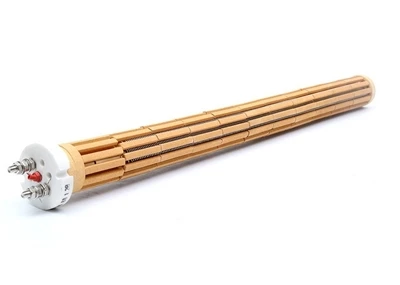
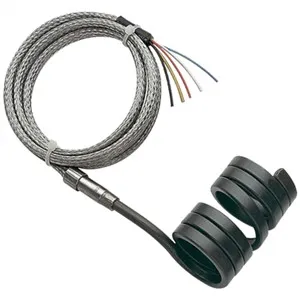
As a supplier of finned cartridge heaters, I understand the importance of proper maintenance to ensure these heaters perform optimally and have a long lifespan. Finned cartridge heaters are widely used in various industries, including those requiring Immersion Finned Cartridge Heater, Finned Cartridge Ignitor Heater, and Finned Cartridge Heater For Industrial Oven. In this blog post, I will share some essential tips on how to maintain a finned cartridge heater.
Regular Inspection
The first step in maintaining a finned cartridge heater is regular inspection. Inspect the heater visually on a routine basis. Check for any signs of physical damage, such as bent or broken fins. Bent fins can disrupt the airflow and reduce the heater's efficiency, while broken fins may expose the internal heating elements, which could lead to safety hazards.
Also, look for any signs of corrosion or discoloration on the surface of the heater. Corrosion can weaken the material of the heater and eventually cause it to fail. If you notice any corrosion, it's crucial to address it promptly. Additionally, check the electrical connections. Loose or damaged connections can lead to poor electrical conductivity, overheating, and even electrical fires.
Cleaning the Fins
The fins of a cartridge heater play a vital role in heat transfer. Over time, the fins can accumulate dust, dirt, and other debris, which can impede heat dissipation. To clean the fins, use a soft brush or compressed air. A soft brush can be used to gently remove any loose particles on the surface of the fins. If the fins are heavily clogged, compressed air can be a more effective option.
When using compressed air, make sure to hold the can at a proper distance from the fins to avoid causing damage. Start from the top of the fins and work your way down, ensuring that all areas are cleaned thoroughly. If the debris is stubborn and cannot be removed by brushing or compressed air, you may need to soak the heater in a mild cleaning solution. However, make sure to follow the manufacturer's instructions when using any cleaning agents, as some chemicals may damage the heater.
Monitoring Temperature and Power
Monitoring the temperature and power consumption of the finned cartridge heater is essential for its maintenance. Install a reliable temperature sensor and power meter to keep track of these parameters. An abnormal increase in temperature or power consumption could indicate a problem with the heater.
If the temperature is higher than the normal operating range, it could be due to a blocked airflow, a malfunctioning thermostat, or a damaged heating element. On the other hand, if the power consumption is too high, it may suggest that the heater is working harder than it should, perhaps because of internal resistance issues or inefficient heat transfer. By monitoring these parameters regularly, you can detect problems early and take appropriate measures to prevent further damage.
Lubrication (if applicable)
Some finned cartridge heaters may have moving parts that require lubrication. For example, if the heater has a fan or a motor, it's important to lubricate these components according to the manufacturer's recommendations. Using the right type of lubricant is crucial, as using the wrong one can cause damage to the parts.
Over - lubricating can also be a problem, as it can attract dust and debris, which can clog the moving parts and reduce their efficiency. Make sure to follow the recommended lubrication schedule and use the correct amount of lubricant.
Storage and Handling
Proper storage and handling are also important aspects of maintaining finned cartridge heaters. When not in use, store the heaters in a dry, clean, and climate - controlled environment. Exposure to high humidity, extreme temperatures, or corrosive chemicals can cause damage to the heater.


When handling the heater, be gentle. Avoid dropping or hitting the heater, as this can cause physical damage to the fins or the internal components. If you need to move the heater, use the appropriate handling equipment and follow the proper procedures.
Replacing Worn - Out Parts
Over time, some parts of the finned cartridge heater may wear out and need to be replaced. This includes the heating element, thermostat, and electrical connections. It's important to use high - quality replacement parts that are compatible with your heater.
When replacing the parts, follow the manufacturer's instructions carefully. If you're not confident in your ability to replace the parts yourself, it's advisable to seek the assistance of a professional technician. Regularly replacing worn - out parts can extend the lifespan of the heater and ensure its reliable performance.
Training the Operators
If the finned cartridge heater is used in a commercial or industrial setting, it's important to train the operators on how to use and maintain the heater properly. Operators should be familiar with the heater's operating procedures, safety guidelines, and maintenance requirements.
Provide them with training materials, such as user manuals and maintenance guides. Encourage them to report any problems or abnormalities they notice during the operation of the heater. By training the operators, you can ensure that the heater is used correctly and maintained in good condition.
Conclusion
Maintaining a finned cartridge heater is crucial for its efficient and reliable operation. By following the tips mentioned above, including regular inspection, cleaning the fins, monitoring temperature and power, lubrication (if applicable), proper storage and handling, replacing worn - out parts, and training the operators, you can extend the lifespan of the heater and reduce the risk of breakdowns.
If you're in the market for high - quality finned cartridge heaters or need further advice on their maintenance, we are here to help. Our team of experts has extensive experience in this field and can provide you with the best solutions tailored to your needs. Feel free to contact us for more information and to start a procurement discussion.
References
- Industry standards for cartridge heater maintenance.
- Manufacturer's manuals for finned cartridge heaters.