Mica strip heaters are widely used in various industrial and commercial applications for their efficient heating capabilities and reliable performance. As a dedicated supplier of mica strip heaters, I'm often asked about the materials used in their construction. In this blog post, I'll delve into the key materials that go into making a high - quality mica strip heater.
Mica Insulation
Mica is the core insulating material in mica strip heaters. It is a naturally occurring mineral that has excellent electrical insulation properties, high dielectric strength, and good thermal conductivity. Mica can withstand high temperatures without losing its insulating properties, which is crucial for the safe and efficient operation of the heater.
There are different types of mica used in mica strip heaters, with phlogopite and muscovite being the most common. Phlogopite mica can withstand higher temperatures, up to around 1000°C, and is more flexible, making it suitable for applications where the heater needs to be bent or shaped. Muscovite mica, on the other hand, has better electrical insulation properties and is often used in applications where electrical safety is of utmost importance.
The mica sheets are typically cut into the desired size and shape and then used to sandwich the heating element. This insulation layer not only prevents electrical leakage but also helps in transferring heat efficiently from the heating element to the surface that needs to be heated.
Heating Element
The heating element is what generates the heat in a mica strip heater. The most commonly used material for the heating element is nickel - chromium (Ni - Cr) alloy. This alloy has a high resistivity, which means it can convert electrical energy into heat effectively. Ni - Cr alloys also have good oxidation resistance, allowing them to operate at high temperatures for extended periods without significant degradation.
The heating element is usually in the form of a wire or a ribbon. The wire or ribbon is wound or formed into a specific pattern to achieve the desired power output and heat distribution. The design of the heating element pattern is crucial as it affects the uniformity of the heat across the surface of the heater. For example, a well - designed pattern can ensure that there are no hot spots or cold spots on the heater surface.
Metal Sheathing
To protect the mica insulation and the heating element, a metal sheathing is used. The metal sheathing provides mechanical protection and also helps in heat transfer. Common materials for the metal sheathing include stainless steel, aluminum, and copper.
Stainless steel is a popular choice for the metal sheathing due to its corrosion resistance, high strength, and ability to withstand high temperatures. It can be used in harsh environments where the heater may be exposed to moisture, chemicals, or high - pressure conditions. Stainless steel also has good heat transfer properties, which helps in distributing the heat evenly across the surface of the heater.
Aluminum is another option for the metal sheathing. It is lightweight, has good thermal conductivity, and is relatively inexpensive. Aluminum sheathing is often used in applications where weight is a concern, such as in portable heaters or in applications where the heater needs to be easily installed.
Copper is known for its excellent thermal conductivity. It can transfer heat very quickly, making it suitable for applications where rapid heating is required. However, copper is more expensive than aluminum and stainless steel, and it may be more prone to corrosion in certain environments.
Terminal Blocks
Terminal blocks are used to connect the heater to the power supply. They provide a secure and reliable electrical connection. The materials used for terminal blocks need to have good electrical conductivity and be able to withstand the current and voltage levels of the heater.


Brass is a common material for terminal blocks. It has good electrical conductivity, is relatively inexpensive, and has good corrosion resistance. Brass terminal blocks can be easily machined and are available in various sizes and configurations to meet different application requirements.
In some cases, copper terminal blocks may be used for applications where higher electrical conductivity is required. Copper has better electrical conductivity than brass, but it may be more expensive.
Adhesives and Sealants
Adhesives and sealants are used to hold the different components of the mica strip heater together and to provide a seal against moisture and contaminants. Epoxy adhesives are commonly used because they have high strength, good chemical resistance, and can withstand high temperatures.
Silicone sealants are also used in mica strip heaters. They are flexible, have good weather resistance, and can provide a good seal against moisture and dust. Silicone sealants can be used to seal the edges of the heater or to fill any gaps between the components.
Applications and Related Products
Mica strip heaters are used in a wide range of applications, including plastic processing, food processing, packaging, and semiconductor manufacturing. Our company offers a variety of mica strip heater products to meet different customer needs.
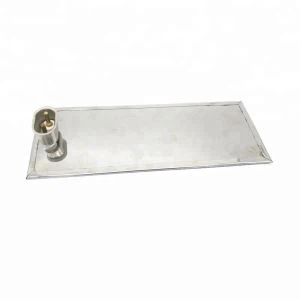
For example, we have Flat Metal Mica Clad Heater, which is suitable for applications where a flat heating surface is required. These heaters are designed to provide uniform heat distribution and can be used in various industrial processes.
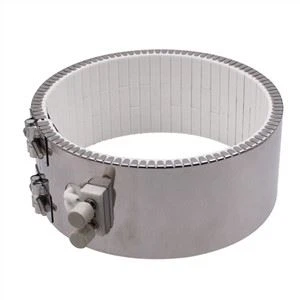
Our Electric Mica Strip Heating Element is a high - performance heating element that can be customized according to the specific requirements of the application. It offers efficient heating and long - term reliability.
We also have Stainless Steel Electric Mica Heating Plate, which is ideal for applications where corrosion resistance and high - temperature performance are important. The stainless steel sheathing provides excellent protection and durability.
Contact for Procurement
If you are in need of high - quality mica strip heaters for your industrial or commercial applications, we would be more than happy to assist you. Our team of experts can help you select the right product based on your specific requirements and provide you with detailed technical support. We offer competitive prices, reliable delivery, and excellent after - sales service. Please feel free to contact us to discuss your procurement needs.
References
- Handbook of Heating, Ventilation, and Air - Conditioning. American Society of Heating, Refrigerating and Air - Conditioning Engineers.
- Electrical Insulating Materials: Properties and Applications. McGraw - Hill.
- Materials Science and Engineering: An Introduction. John Wiley & Sons.