As a supplier of Drum Silicone Heaters, I often encounter inquiries about the functionality of the heat - insulation layer in these heaters. In this blog, I'll delve into the science behind how the heat - insulation layer of a drum silicone heater works.
The Basics of Drum Silicone Heaters
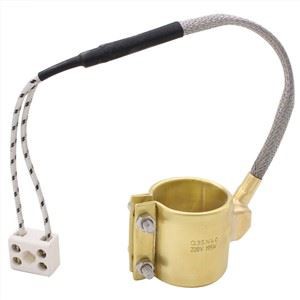
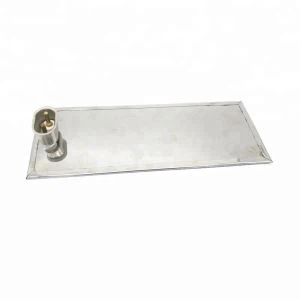
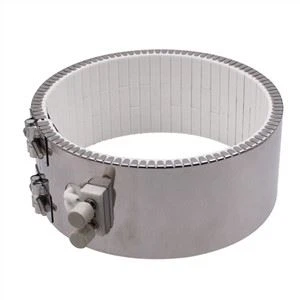
Drum silicone heaters are essential tools in various industries, especially those dealing with substances that need to be kept at a specific temperature. For instance, in the chemical industry, many chemicals need to be maintained at a certain temperature to ensure their stability and reactivity. Our Barrel Shape Silicone Rubber Heater is designed to fit snugly around barrels, providing uniform heat distribution. Similarly, the 55 Gallon Drum Heater is tailored for larger containers.
The main purpose of a drum silicone heater is to transfer heat to the contents of the drum. However, without proper insulation, a significant amount of this heat would be wasted, leading to inefficiency and increased energy costs. This is where the heat - insulation layer comes into play.
How Heat Transfer Works
Before understanding how the heat - insulation layer works, it's crucial to grasp the basics of heat transfer. There are three main methods of heat transfer: conduction, convection, and radiation.
- Conduction: This is the transfer of heat through a material without the movement of the material itself. In a drum silicone heater, heat is conducted from the heating element (usually a resistive wire) to the drum and its contents.
- Convection: It involves the transfer of heat by the movement of fluids (liquids or gases). When the air around the heated drum rises due to the increase in temperature, cooler air moves in to replace it, creating a convection current.
- Radiation: Heat is transferred in the form of electromagnetic waves. All objects emit thermal radiation, and the amount of radiation depends on the temperature of the object.
The Role of the Heat - Insulation Layer
The heat - insulation layer in a drum silicone heater is primarily designed to reduce heat loss through all three methods of heat transfer.
Reducing Conduction
The insulation material is chosen for its low thermal conductivity. Thermal conductivity is a measure of how well a material can conduct heat. Materials with low thermal conductivity are poor conductors of heat and, therefore, act as good insulators. For example, fiberglass and ceramic fiber are commonly used in the heat - insulation layer of our Electric Heating Silicone Rubber Oil Drum Heater. These materials have a large number of small air pockets within their structure. Air is a poor conductor of heat, and these pockets trap the air, reducing the overall thermal conductivity of the insulation material. As a result, less heat is conducted through the insulation layer to the surrounding environment, and more heat is retained within the drum.
Minimizing Convection
The heat - insulation layer also helps to minimize convection. By providing a barrier around the drum, it restricts the movement of air around the heated surface. This reduces the formation of convection currents, which would otherwise carry heat away from the drum. The insulation layer is usually designed to fit tightly around the drum, creating a sealed environment that prevents the exchange of hot and cold air. This not only reduces heat loss but also helps to maintain a more uniform temperature within the drum.
Blocking Radiation
In addition to reducing conduction and convection, the heat - insulation layer can also block some of the thermal radiation. Some insulation materials are designed to reflect thermal radiation back towards the drum. For example, materials with a shiny or metallic surface can act as good reflectors of infrared radiation, which is the type of radiation associated with heat. By reflecting the radiation back, the insulation layer helps to keep the heat within the drum.
The Design and Construction of the Heat - Insulation Layer
The design and construction of the heat - insulation layer are critical to its effectiveness. The thickness of the insulation layer is an important factor. A thicker layer generally provides better insulation, as it offers more resistance to heat transfer. However, there are practical limitations to the thickness, such as cost and the overall size of the heater.
The insulation material is also carefully selected based on the specific requirements of the application. For example, in applications where the heater needs to be flexible, a more pliable insulation material may be chosen. In high - temperature applications, materials with high - temperature resistance, such as ceramic fiber, are preferred.


The insulation layer is often combined with other components of the heater, such as the heating element and the outer protective layer. These components work together to ensure the efficient operation of the drum silicone heater.
Benefits of an Effective Heat - Insulation Layer
An effective heat - insulation layer in a drum silicone heater offers several benefits.
- Energy Efficiency: By reducing heat loss, the heater consumes less energy to maintain the desired temperature. This not only saves on energy costs but also makes the heater more environmentally friendly.
- Temperature Control: The insulation layer helps to maintain a more stable and uniform temperature within the drum. This is crucial for applications where the temperature of the contents needs to be precisely controlled.
- Longer Lifespan: Since the heater operates more efficiently, there is less stress on the heating element and other components. This can lead to a longer lifespan for the heater, reducing the need for frequent replacements.
Conclusion
In conclusion, the heat - insulation layer of a drum silicone heater plays a vital role in its performance. By reducing heat loss through conduction, convection, and radiation, it improves energy efficiency, temperature control, and the overall lifespan of the heater. Whether you need a Barrel Shape Silicone Rubber Heater, a 55 Gallon Drum Heater, or an Electric Heating Silicone Rubber Oil Drum Heater, our insulation technology ensures optimal performance.
If you're interested in learning more about our drum silicone heaters or are considering a purchase, we invite you to contact us for a detailed discussion. Our team of experts is ready to assist you in finding the right solution for your specific needs.
References
- Incropera, F. P., & DeWitt, D. P. (2002). Fundamentals of Heat and Mass Transfer. John Wiley & Sons.
- Holman, J. P. (2002). Heat Transfer. McGraw - Hill.