What is the Maximum Heating Area of a Hot Runner Heater?
As a seasoned hot runner heater supplier, I often encounter inquiries from clients about the maximum heating area of our products. This is a crucial question, as it directly impacts the efficiency and effectiveness of the injection molding process. In this blog post, I'll delve into the factors influencing the maximum heating area of a hot runner heater and provide insights to help you make informed decisions for your specific applications.
Understanding Hot Runner Heaters
Before we explore the maximum heating area, let's briefly understand what hot runner heaters are and their significance in the injection molding industry. Hot runner systems are used in plastic injection molding to keep the plastic molten as it flows from the injection molding machine to the mold cavity. Hot runner heaters are an integral part of these systems, providing the necessary heat to maintain the optimal temperature of the plastic.
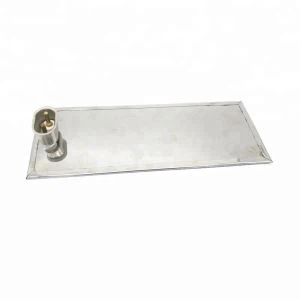
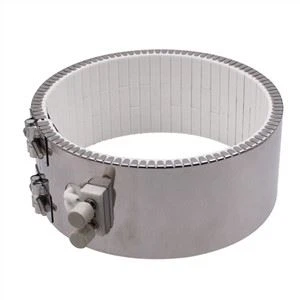
There are different types of hot runner heaters, each designed to meet specific requirements. For instance, we offer Hot Runner System Heater With Thermocouple, which comes with a thermocouple for accurate temperature control. Our Hot Runner Coil Heater For Blowing Mold is specifically designed for blowing mold applications, and the Hot Runner Nozzle Coil Heater is ideal for heating the nozzle in a hot runner system.
Factors Affecting the Maximum Heating Area
The maximum heating area of a hot runner heater is determined by several factors, including the heater's design, power output, and the material it is heating. Let's take a closer look at each of these factors:
Heater Design
The design of the hot runner heater plays a significant role in determining its maximum heating area. Different designs have different heat distribution patterns, which can affect how efficiently the heater can heat a given area. For example, a coil heater may have a different heat distribution compared to a tubular heater. Coil heaters are often designed to provide concentrated heat in a specific area, while tubular heaters can offer more uniform heat distribution over a larger area.
Power Output
The power output of the heater is another crucial factor. A higher power output means that the heater can generate more heat, which in turn allows it to heat a larger area. However, it's important to note that increasing the power output also means higher energy consumption. Therefore, it's essential to strike a balance between the required heating area and the energy efficiency of the heater. When selecting a hot runner heater, you need to consider the specific power requirements based on the size and nature of your application.
Material Properties
The material being heated also affects the maximum heating area. Different plastics have different thermal properties, such as thermal conductivity and specific heat capacity. Materials with higher thermal conductivity can transfer heat more efficiently, allowing the heater to cover a larger area. On the other hand, materials with lower thermal conductivity may require more concentrated heat, which could limit the maximum heating area. Additionally, the melting point of the plastic is an important consideration. Heaters need to be able to reach and maintain the appropriate temperature to keep the plastic molten, and this can impact the size of the area that can be effectively heated.
Calculating the Maximum Heating Area
Calculating the maximum heating area of a hot runner heater is not a straightforward process, as it involves considering multiple variables. However, there are some general guidelines and formulas that can be used as a starting point.
One approach is to use the heat transfer equation: Q = m * c * ΔT, where Q is the amount of heat required, m is the mass of the plastic, c is the specific heat capacity of the plastic, and ΔT is the temperature difference between the initial and final temperatures. By knowing the power output of the heater (P), we can calculate the time (t) required to provide the necessary heat using the equation Q = P * t.
Based on the heat transfer characteristics of the heater and the material, we can then estimate the maximum heating area. For example, if we know the heat flux (q) of the heater (the amount of heat transferred per unit area per unit time), we can calculate the maximum heating area (A) using the equation Q = q * A * t.
However, it's important to note that these calculations are based on ideal conditions and may need to be adjusted in real-world applications. Factors such as heat loss to the surroundings, non-uniform heat distribution, and variations in material properties can all affect the actual maximum heating area.
Real-World Considerations
In real-world injection molding applications, there are several additional factors that need to be considered when determining the maximum heating area of a hot runner heater.
Mold Design
The design of the mold itself can influence the heating requirements. Complex mold geometries may require more precise heat distribution, which could limit the maximum heating area that can be effectively covered by a single heater. In some cases, multiple heaters may need to be used to ensure uniform heating throughout the mold cavity.
Production Speed
The production speed of the injection molding process also plays a role. Higher production speeds may require faster heating and cooling cycles, which can affect the size of the area that the heater can heat effectively. If the heater cannot provide the necessary heat quickly enough, it may lead to issues such as incomplete melting of the plastic or poor part quality.
Environmental Conditions
The environmental conditions in which the injection molding process takes place can also impact the heater's performance. Factors such as ambient temperature, humidity, and ventilation can affect the heat transfer efficiency and the maximum heating area. For example, in a hot and humid environment, the heater may need to work harder to maintain the required temperature, which could reduce its effective heating area.
Choosing the Right Hot Runner Heater for Your Application
When selecting a hot runner heater for your specific application, it's important to consider all of the factors discussed above. Here are some steps to help you make the right choice:


Determine Your Requirements
First, clearly define your requirements, including the size and shape of the mold, the type of plastic you are using, the production speed, and the desired temperature range. This will help you narrow down your options and select a heater that can meet your specific needs.
Consult with an Expert
As a hot runner heater supplier, we have extensive experience and knowledge in this field. We can provide valuable advice and guidance based on your requirements. Our team can help you select the right type of heater, determine the appropriate power output, and ensure that the heater is installed and configured correctly.
Consider Energy Efficiency
Energy efficiency is an important consideration, as it can significantly impact your operating costs. Look for heaters that are designed to be energy-efficient without sacrificing performance. Our hot runner heaters are engineered to provide optimal heat transfer with minimal energy consumption, helping you save on energy costs in the long run.
Conclusion
In conclusion, the maximum heating area of a hot runner heater is a complex concept that is influenced by multiple factors, including heater design, power output, material properties, mold design, production speed, and environmental conditions. By understanding these factors and carefully considering your specific requirements, you can select the right hot runner heater for your application and ensure optimal performance in your injection molding process.
If you're interested in learning more about our hot runner heaters or need assistance in selecting the right heater for your needs, we encourage you to reach out to us. Our team of experts is ready to help you make the best decision for your business. Contact us today to start a dialogue and explore how our hot runner heaters can enhance your injection molding operations.
References
- Injection Molding Handbook, by O. Olafsson
- Plastics Processing: Modeling and Simulation, by M. Michaeli
- Heat Transfer in Industrial Processes, by R. Shah and D. Sekulic