Band heaters are essential components in various industrial applications, providing the necessary heat for processes like plastic extrusion, injection molding, and fluid heating. As a band heater supplier, I often get asked about the materials used to make these heaters. Understanding the materials is crucial because it helps in choosing the right heater for specific applications. So, let's dive into the different materials that band heaters are made of.


Mica
Mica is one of the most common materials used in band heaters. It's a natural mineral that has some great properties for heating applications. Mica is an excellent electrical insulator, which means it can prevent electrical current from flowing where it shouldn't. This is super important for safety reasons in a heater.
Another great thing about mica is its high thermal conductivity. This allows the heat generated by the heating element inside the band heater to transfer quickly and efficiently to the surface that needs to be heated. Mica band heaters are known for their fast heat - up times, making them ideal for applications where rapid temperature changes are required.
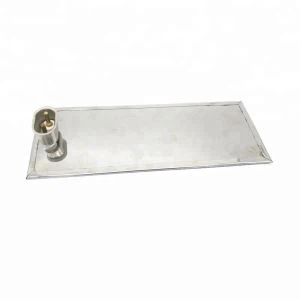
Mica band heaters are also relatively inexpensive compared to some other types. They are easy to manufacture, which keeps the cost down. You can find Mica Heating Elements on our website. These heaters are typically used in applications such as small - scale plastic extrusion machines and some light - duty injection molding machines.
However, mica does have some limitations. It's not very resistant to moisture. If it gets wet, its insulating properties can be compromised, which can lead to electrical problems. Also, mica band heaters may not be as durable as some other types in high - vibration or high - impact environments.
Ceramic
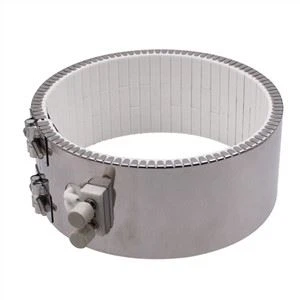
Ceramic band heaters are another popular choice. They are made using ceramic materials, which have excellent thermal properties. Ceramics can withstand very high temperatures, much higher than mica. This makes ceramic band heaters suitable for applications where extreme heat is required, such as in large - scale plastic extrusion and some heavy - duty industrial processes.
Ceramic has a high heat - retention capacity. Once it reaches the desired temperature, it can hold that heat for a long time, which is energy - efficient. It also distributes heat evenly across the surface of the heater, ensuring uniform heating of the object being heated.
One of our products, the Induction Extruder Ceramic Band Heater, is a great example of a ceramic band heater. It's designed for use in extruder machines, where precise and high - temperature heating is essential.
But ceramic band heaters also have their drawbacks. They are more expensive than mica band heaters. The manufacturing process for ceramic heaters is more complex, and the materials themselves are costlier. Also, ceramic is brittle. If it's subjected to a sudden shock or impact, it can crack, which will render the heater useless.
Stainless Steel
Stainless steel is often used in the outer casing of band heaters. It's a very durable material that can protect the internal components of the heater from damage, such as physical impact, corrosion, and environmental factors.
Stainless steel has good resistance to rust and corrosion, making it suitable for use in environments where there may be moisture or chemicals. This is especially important in industrial settings where the heaters may be exposed to harsh conditions.
The outer stainless - steel casing also gives the band heater a neat and professional appearance. It can be easily cleaned and maintained, which is an added bonus in industrial applications where hygiene is important.
Brass
Brass is used in some specialized band heaters, like the Injection Molding Machine Nozzle Coil Heater Brass Band Heater. Brass has excellent thermal conductivity, which allows for efficient heat transfer. It's also a relatively soft metal, which makes it easy to work with during the manufacturing process.
In injection molding machines, brass band heaters are often used in the nozzle area. The high thermal conductivity of brass helps to ensure that the plastic in the nozzle remains at the right temperature for smooth injection into the mold.
However, brass is more prone to corrosion than stainless steel. So, in environments where there is a lot of moisture or chemicals, additional protective coatings may be required.
Heating Elements
The heating element is the heart of a band heater, and different materials are used to make them. Nichrome is a common material for heating elements. It's an alloy of nickel and chromium. Nichrome has a high electrical resistance, which means when an electric current passes through it, it heats up. It's also very stable at high temperatures and has a long lifespan.
Kanthal is another material used for heating elements. It's an iron - chromium - aluminum alloy. Kanthal can withstand even higher temperatures than Nichrome and has better oxidation resistance. This makes it suitable for applications where extremely high temperatures are required.
Choosing the Right Material
When choosing a band heater, it's important to consider the specific requirements of your application. If you need a fast - heating and relatively inexpensive option for a light - duty application, a mica band heater might be the way to go. If you require high - temperature and long - term heat retention for a heavy - duty industrial process, a ceramic band heater would be a better choice.
The environment in which the heater will be used also matters. If there is a lot of moisture or chemicals, a stainless - steel - cased heater would be more suitable. And if you're working with an injection molding machine, a brass band heater for the nozzle could provide the best performance.
As a band heater supplier, I'm here to help you make the right choice. Whether you need more information about the materials, want to see product specifications, or are ready to place an order, don't hesitate to get in touch. We can discuss your requirements in detail and find the best band heater solution for your business.
Conclusion
Band heaters come in a variety of materials, each with its own set of advantages and disadvantages. Mica offers fast heat - up times and affordability, ceramic provides high - temperature resistance and energy efficiency, stainless steel gives durability and corrosion protection, and brass offers good thermal conductivity for specific applications. The heating elements can be made from nichrome or kanthal, depending on the temperature requirements.
If you're in the market for band heaters, take the time to understand your needs and the properties of different materials. And if you have any questions or want to start a procurement discussion, reach out to us. We're eager to assist you in finding the perfect band heaters for your industrial processes.
References
- ASM Handbook: Volume 1 - Properties and Selection: Irons, Steels, and High - Performance Alloys
- Ceramics for High - Temperature Applications: A Review