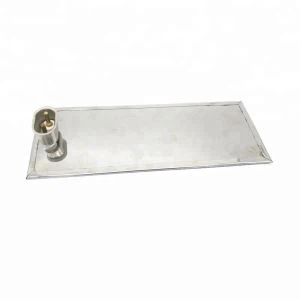
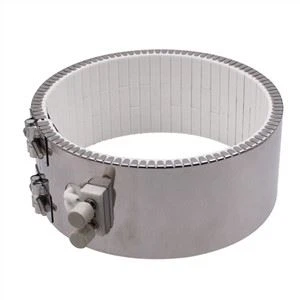
The flat tubular heater is a remarkable and versatile heating solution widely used across various industrial and commercial applications. Understanding its surface temperature distribution is crucial for optimizing performance, ensuring safety, and meeting the specific needs of different users. In this blog post, we, as a leading flat tubular heater supplier, will delve into the intricacies of the surface temperature distribution of flat tubular heaters.
Factors Influencing Surface Temperature Distribution
Several key factors significantly influence the surface temperature distribution of a flat tubular heater. These factors need to be carefully considered during the design, manufacturing, and application processes to achieve the desired heating effect.
1. Power Input
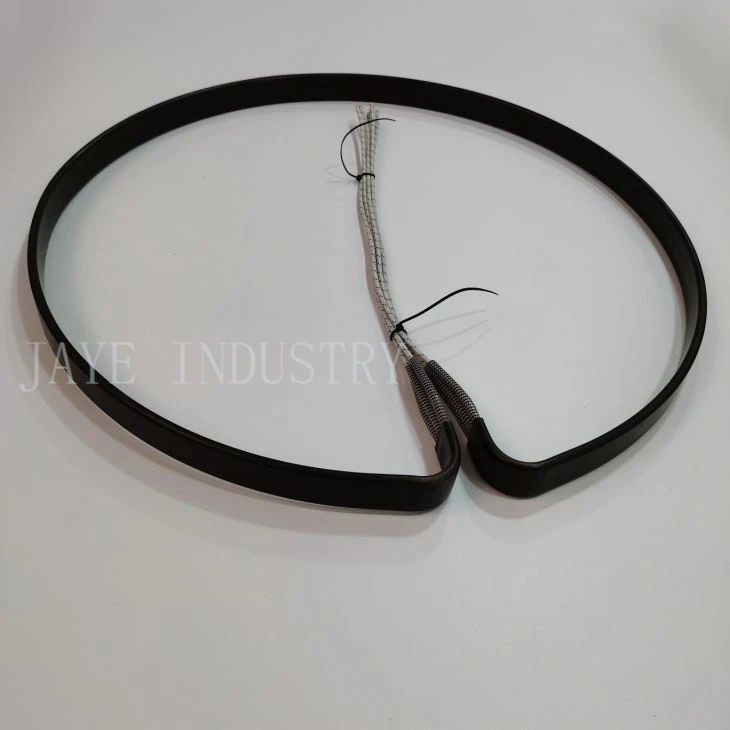
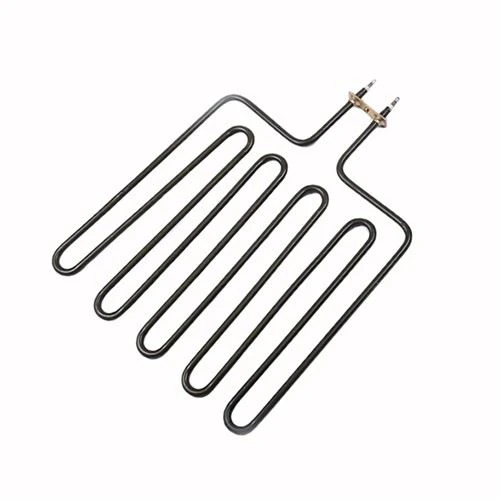
The power input to the heater is one of the primary determinants of its surface temperature. Higher power input generally leads to a higher average surface temperature. However, it is important to note that an uneven power distribution within the heater can also cause uneven surface temperatures. For example, if the heating element is not uniformly wound or if there are differences in the resistance along its length, hotspots may form. As a supplier, we ensure that our Stainless Steel Flat Tubular Heater is designed with precise power distribution to minimize such issues, providing a more uniform surface temperature.
2. Material Properties
The materials used in the construction of the flat tubular heater play a vital role in surface temperature distribution. The thermal conductivity of the sheath material, for instance, affects how quickly heat is transferred from the heating element to the surrounding environment. A material with high thermal conductivity, such as stainless - steel in our stainless steel flat tubular heaters, will distribute heat more evenly across the surface. Additionally, the electrical resistance of the heating element material influences the amount of heat generated. Different materials have different resistance - temperature characteristics, which need to be carefully matched to achieve the desired temperature profile.
3. Design and Geometry
The physical design and geometry of the flat tubular heater also have a significant impact on surface temperature distribution. The shape and size of the heater, as well as the spacing and arrangement of the heating element, can all affect how heat is dissipated. For example, a wider flat tubular heater may have a different temperature distribution compared to a narrower one. Our Flat Firebar Tubular Air Oven Heater is specifically designed with an optimized geometry to ensure efficient heat transfer and uniform temperature distribution in air - oven applications.
4. Heat Transfer Medium
The medium in which the heater operates also affects its surface temperature distribution. In a liquid - immersion application, such as with our Flat Immersion Tubular Heater, the flow rate and thermal properties of the liquid can influence how heat is removed from the heater surface. A higher flow rate of a liquid with good thermal conductivity will help in maintaining a more uniform surface temperature by carrying away heat more effectively. In contrast, in a static air environment, heat transfer is mainly through convection and radiation, which may result in a different temperature distribution pattern.
Measuring Surface Temperature Distribution
Accurately measuring the surface temperature distribution of a flat tubular heater is essential for quality control and performance evaluation. There are several methods available for measuring surface temperatures, each with its own advantages and limitations.
1. Thermocouples
Thermocouples are one of the most commonly used temperature - measuring devices. They can be attached to the surface of the flat tubular heater at various points to measure the temperature directly. By placing multiple thermocouples at different locations along the heater, it is possible to obtain a detailed temperature profile. However, thermocouples have a relatively large size, which can affect the local heat transfer and may introduce some measurement errors.
2. Infrared Thermography
Infrared thermography is a non - contact method for measuring surface temperatures. It uses an infrared camera to capture the thermal image of the heater surface, allowing for a quick and comprehensive view of the temperature distribution. This method is particularly useful for detecting hotspots and areas of uneven temperature. However, it requires careful calibration and can be affected by factors such as surface emissivity and the presence of obstacles between the camera and the heater.
3. Resistance Temperature Detectors (RTDs)
RTDs are another type of temperature sensor that can be used to measure the surface temperature of a flat tubular heater. They are based on the principle that the electrical resistance of a metal changes with temperature. RTDs offer high accuracy and stability but are more expensive and may require more complex wiring compared to thermocouples.
Practical Considerations for Achieving Optimal Surface Temperature Distribution
To ensure that the flat tubular heater operates with an optimal surface temperature distribution, several practical considerations should be taken into account.
1. Adequate Ventilation and Cooling
Proper ventilation and cooling are essential for maintaining a uniform surface temperature, especially in high - power applications. In air - heating applications, ensuring sufficient air circulation around the heater can prevent the formation of hotspots. In liquid - immersion applications, controlling the flow rate of the liquid can help in removing heat effectively.
2. Regular Maintenance
Regular maintenance of the flat tubular heater is crucial for preserving its performance. Over time, the heater surface may accumulate deposits or corrosion, which can affect heat transfer and lead to uneven temperature distribution. Cleaning the heater surface and checking for any signs of damage or wear can help in maintaining a consistent surface temperature.
3. Customized Design
For specific applications, a customized design of the flat tubular heater may be required to achieve the desired surface temperature distribution. Our company, as a professional supplier, has the expertise to design and manufacture heaters tailored to the unique requirements of different customers. Whether it is a special power rating, a specific shape, or a particular application environment, we can provide customized solutions to meet your needs.
Conclusion
Understanding the surface temperature distribution of a flat tubular heater is of utmost importance for its efficient and safe operation. By considering the factors that influence temperature distribution, using appropriate measurement methods, and implementing practical considerations, we can ensure that the heater performs optimally in various applications.
As a reliable flat tubular heater supplier, we are committed to providing high - quality products with excellent surface temperature distribution characteristics. Our Stainless Steel Flat Tubular Heater, Flat Firebar Tubular Air Oven Heater, and Flat Immersion Tubular Heater are designed and manufactured with the latest technology and strict quality control to meet the diverse needs of our customers.
If you are interested in our flat tubular heaters or have any specific requirements regarding surface temperature distribution in your application, we encourage you to contact us for further discussion and potential cooperation. Our team of experts is ready to assist you in finding the most suitable heating solution for your project.
References
- Incropera, F. P., & DeWitt, D. P. (2002). Fundamentals of Heat and Mass Transfer. Wiley.
- Holman, J. P. (2002). Heat Transfer. McGraw - Hill.