Introduction In Gas Chromatography (GC), maintaining a stable and controlled temperature throughout the analytical pathway is essential for accurate sample analysis. One critical component used for temperature control is the cartridge heater installed in the transfer line. The transfer line...
Jaye Heater Technology Co., Ltd. is one of the most reliable manufacturers and suppliers of cartridge heaters in gas chromatography transfer lines in China, also supports custom service. Welcome to wholesale high quality cartridge heaters in gas chromatography transfer lines at competitive price from our factory.
In Gas Chromatography (GC), maintaining a stable and controlled temperature throughout the analytical pathway is essential for accurate sample analysis. One critical component used for temperature control is the cartridge heater installed in the transfer line. The transfer line connects different sections of the GC system, such as the injector, detector, or interfaced instruments like GC-MS systems.
Cartridge heaters provide localized heating to prevent condensation of analytes and maintain sample integrity during transfer.

The main functions of cartridge heaters in GC transfer lines are:
In GC-MS systems, the transfer line is especially important because analytes move from the GC column into the mass spectrometer under controlled thermal conditions.
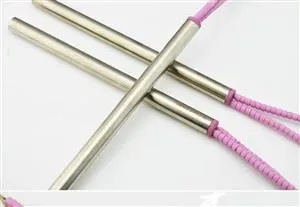
A cartridge heater is a cylindrical electrical heating element designed for insertion into drilled holes within metal blocks or transfer line assemblies.
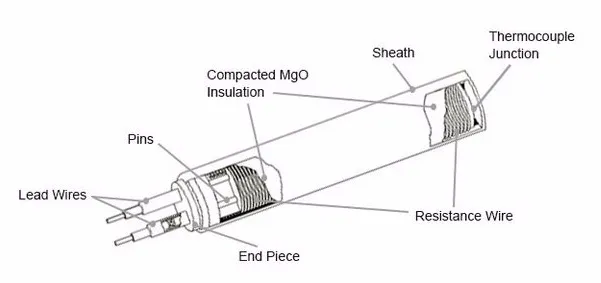
Made of high-resistance nichrome wire.
Converts electrical energy into heat.
Usually magnesium oxide (MgO).
Provides electrical insulation and efficient heat transfer.
Protects internal components.
Offers corrosion resistance and mechanical strength.
Supply electrical power to the heater.
| Parameter | Specification | Description / Notes |
|---|---|---|
| Heater Type | Cartridge Heater | Cylindrical insert-type electric heater |
| Application | GC Transfer Line Heating | Used in GC / GC-MS transfer line assemblies |
| Sheath Material | Stainless Steel (SS304 / SS316) | Corrosion resistant, high durability |
| Heating Element | Nichrome Wire | High-resistance alloy for heat generation |
| Insulation Material | Magnesium Oxide (MgO) | Electrical insulation with high thermal conductivity |
| Operating Temperature | 100°C – 350°C (typical) | Depends on analyte volatility and system design |
| Voltage Rating | Customized | Based on instrument power supply |
| Power Rating | Customized | Depends on transfer line size and heat load |
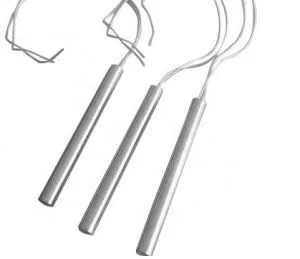
A cartridge heater is used to maintain a stable elevated temperature in the GC transfer line to prevent condensation of analytes and ensure smooth transfer from the GC column to the detector or MS system.
If the transfer line is not properly heated, volatile or semi-volatile compounds may condense, leading to:
Typical operating temperatures range from 100°C to 350°C, depending on:
Hot Tags: cartridge heaters in gas chromatography transfer lines, China, manufacturers, suppliers, factory, wholesale, custom, price, electric, high quality, 120v Cartridge Heater, Double Semi circular Cartridge Heater, Long Cartridge Heater, Pencil Heater, Swaged Cartridge Heaters, Taper Cartridge Heaters