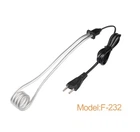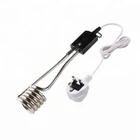


A copper water heating element in an electric boiler works by converting electrical energy into heat, which is then transferred to the water. Here's a clear, step-by-step explanation.
Basic principle: electrical resistance → heat
When electricity flows through the copper heating element, the copper resists the flow of current.
That resistance causes the element to heat up (this is called Joule heating).
In short:
Electricity → resistance → heat
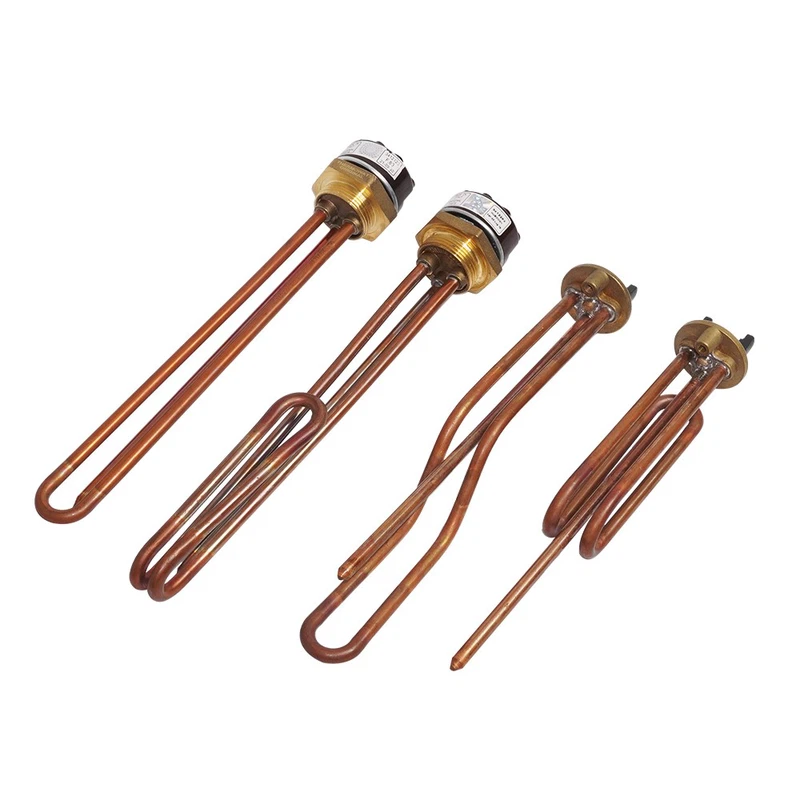
Why copper is used
Copper is commonly used because it:
- Conducts electricity very well
- Transfers heat efficiently to water
- Resists corrosion better than many metals
- Has a long service life in boilers
How the heat gets into the water
The copper element is:
Immersed directly in water or Installed inside a metal tube that contacts the water
As the element heats up:
- Heat moves from copper → surrounding water
- Water temperature rises evenly due to circulation (hot water rises, cold water sinks)
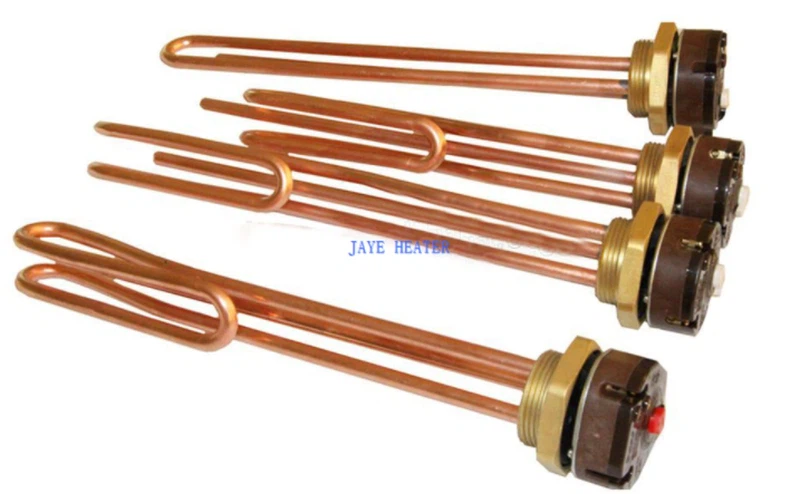
Specification of Copper Water Heating Element for Electric Boiler:
| Item | Specification |
|---|---|
| Component Name | Copper Water Heating Element |
| Application | Electric Boiler |
| Heating Principle | Electrical resistance heating (Joule heating) |
| Installation Type | Immersion type (direct contact with water) or tube-mounted |
| Material | High-purity copper |
| Voltage | Customized |
| Power | Customized |
| Temperature Control | Controlled by thermostat |
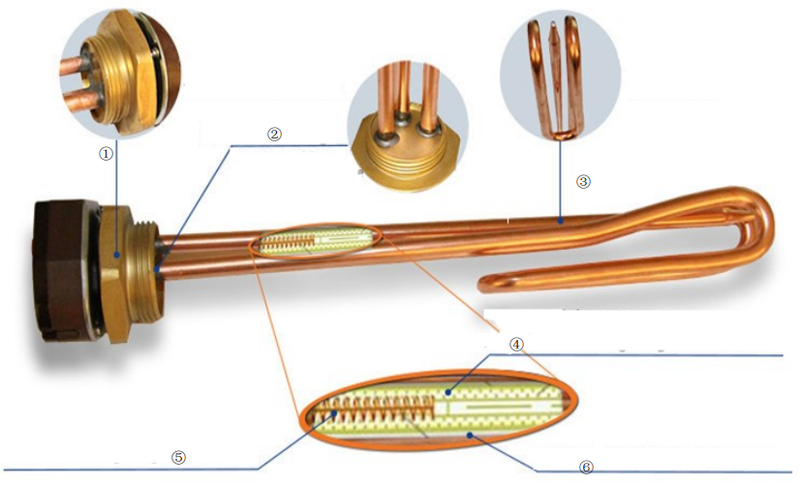
①Copper flange --Special design, high quality
②Silver soldering --Precision welding, prevent water leakage
③Copper material tube --Better prevent scale, heat conduction fast
④High temperature --Resistant insulating magnesium oxide
⑤High strength alloy
⑥0.6mm wall thickness copper
Temperature control (very important)
An electric boiler always includes:
- Thermostat – turns the heater on/off to maintain the set temperature
- Safety cut-off – shuts power if overheating occurs
This keeps the system safe and efficient.
Power and heating speed
Heating power depends on:
- Voltage
- Current
- Element resistance

Common issues with copper heating elements
- Limescale buildup (hard water) → reduces efficiency
- Overheating without water → damages element
- Corrosion over time → eventual failure
That's why regular maintenance is important in systems.
Summary
Copper element heats up when electricity passes through it
Heat transfers from copper to water
Thermostats and safety devices control temperature
Copper is used for efficiency, durability, and safety