Packaging machinery often requires heat to seal, shrink, or form materials. Ceramic heater are the ideal tool for this job due to their inherent properties, primarily the PTC (Positive Temperature Coefficient) effect.
Key Applications within Packaging Machinery
1. Thermal Impulse Sealing (Most Common Application)
This is the process used to seal plastic bags (e.g., potato chips, cereal, frozen food), pouches, and medical packaging.
How it works: A ceramic heating tile is mounted on a sealing bar. This bar is pressed against the packaging film (often a polyethene or polypropylene blend) with a specific pressure for a very precise amount of time (typically milliseconds to seconds).
The Role of the Ceramic Tile:
- Rapid Heating: The tile heats up to the exact melting point of the film almost instantly when current is applied.
- Dwell Time: It maintains a perfectly stable temperature for the duration of the "impulse."
- Rapid Cooling: The current is cut, and the tile cools down very quickly (often assisted by an integrated cooling fan or heat sink). This rapid cool-down allows the molten plastic to solidify into a strong, clean seal before the pressure is released. This prevents the seal from being torn apart while still molten.
Why Ceramic is Perfect for This:
- Precision: Excellent temperature control ensures a consistent seal strength every time. A weak seal fails; a too-hot seal burns through the film.
- Speed: Fast thermal response enables high-speed packaging lines (hundreds of seals per minute).
- Long Life: The robust ceramic and metal construction withstands constant mechanical pressure and thermal cycling.

2. Shrink Tunnels and L-Sealers
Used to apply shrink film (e.g., around water bottle packs, DVD boxes, cosmetic goods).
How it works: Products wrapped in loose plastic film are conveyed through a tunnel or passed under a hood where hot air shrinks the film tightly around the product.
The Role of the Ceramic Tile: Ceramic tiles are not the heat source directly. Instead, they are used as the heating element inside the air heater.
- A bank of ceramic heating tiles is housed in a unit with a powerful fan blowing air over them.
- The heated air is then directed into the tunnel.
Why Ceramic is Perfect for This:
- Even Heat Distribution: The tiles provide a large, uniform hot surface area, leading to consistent air temperature.
- Safety & Reliability: The PTC effect prevents the heater from overheating and burning out if the airflow is accidentally blocked (a critical fail-safe).
- Power Density: They can generate a tremendous amount of heat in a compact space.

3. Hot-Melt Glue Activation
Many cartons and boxes are sealed with hot-melt adhesive.
- How it works: Solid glue sticks are fed into a reservoir that must be kept at a precise temperature to melt the glue without burning it.
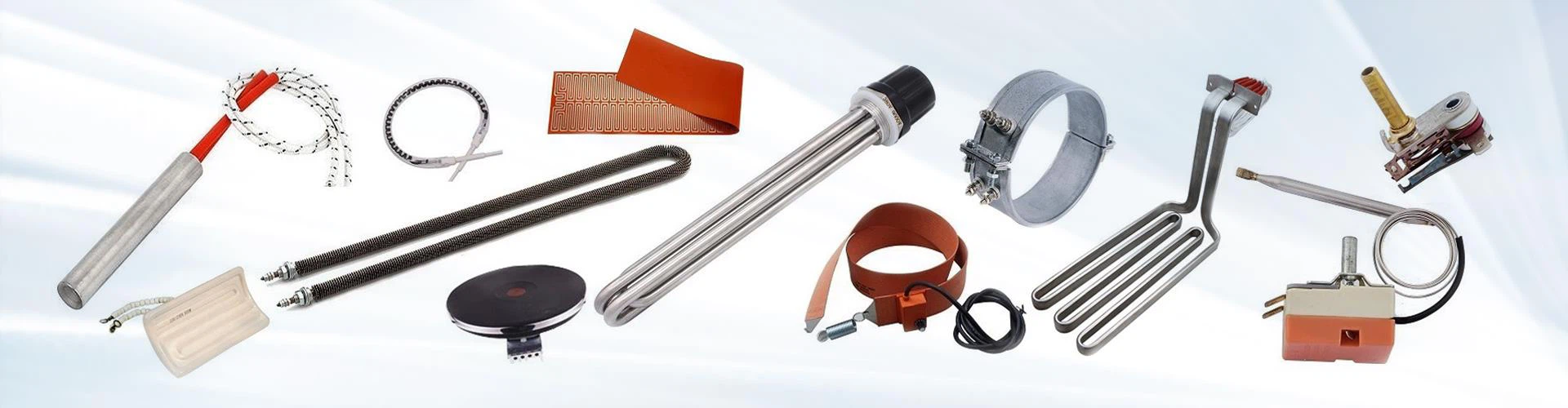
- The Role of the Ceramic Tile: Small, cartridge-style ceramic heating elements are inserted into the aluminum blocks of the glue gun or tank to provide precisely controlled heat.

4. Forming and Reforming Plastic
For machinery that thermoforms plastic trays or blisters (e.g., for chocolate boxes or electronics packaging).
- How it works: Plastic sheets are heated until pliable and then formed into a shape using a mold.
- The Role of the Ceramic Tile: Ceramic infrared heating tiles are often arranged in arrays above the plastic sheet. They emit infrared radiation which heats the plastic very evenly and efficiently without contact, preventing marks or distortion.