Nov 28, 2023
Finned heaters play a pivotal role in industrial heating applications, offering efficient and controlled heating solutions. In hazardous environments, where the risk of fire or explosion is a constant concern, it becomes imperative to adapt these heaters to meet stringent safety standards. In this article, we explore the key measures taken to ensure the safe use of finned heaters in environments where flammable gases or dust are present.
1. Explosion-Proof Enclosures:
Finned heaters are enclosed in specialized housings designed to be explosion-proof. These robust enclosures are constructed to contain any potential explosion, preventing the release of sparks or flames that could ignite flammable substances in the environment.
2. ATEX Compliance:
Adherence to international standards, such as the ATEX directives, is crucial. ATEX sets forth guidelines for equipment intended for use in potentially explosive atmospheres. Finned heaters adapted for hazardous environments must meet the appropriate ATEX classifications and standards to ensure compliance and safety.
3. Sealed Construction:
To minimize the risk of ignition, finned heaters in hazardous locations feature sealed constructions. These constructions prevent the ingress of flammable gases or dust, safeguarding the integrity of the heater element.
4. Temperature and Watt Density Controls:
Careful control of temperature and watt density is essential in hazardous environments. Finned heaters are equipped with controls that ensure safe operating temperatures, preventing overheating and the associated risks of ignition.
5. Corrosion Resistance:
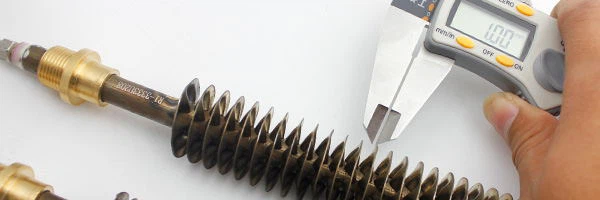
In corrosive environments, finned heaters are constructed using materials that resist corrosion. This not only enhances the longevity of the heater but also prevents any compromise in its integrity that could lead to hazardous conditions.
6. Grounding and Bonding:
Proper grounding and bonding are critical in hazardous areas to prevent the buildup of static electricity, which could potentially ignite flammable substances. Finned heaters are designed with appropriate grounding features to ensure safety.
7. Thermal Cut-off Devices:
Integrated thermal cut-off devices are incorporated into finned heaters to shut down the system in the event of overheating. This acts as a fail-safe mechanism, preventing the risk of ignition and ensuring the safety of the surrounding environment.
8. Certifications:
Finned heaters used in hazardous environments should carry certifications from relevant safety organizations. Certification ensures that the heater meets specific safety standards and regulations, providing confidence in its suitability for use in potentially explosive atmospheres.
9. Installation Guidelines:
Follow recommended installation guidelines, including specific mounting requirements and distances from other equipment. Adhering to these guidelines minimizes the risk of overheating or ignition and ensures the safe operation of finned heaters in hazardous environments.
In conclusion, adapting finned heaters for use in hazardous environments involves a combination of engineering measures and compliance with safety standards. The careful selection, installation, and monitoring of these heaters are essential to mitigate the risks associated with heating in environments where safety is paramount. Always consult with experts and adhere to local regulations to ensure the safe and effective use of finned heaters in hazardous locations.
Know More about Finned Heaters
Previous: How to ensure safety protocols when installing and operating Finned Heaters?
Next: How do Finned Heaters contribute to energy savings in industrial processes?