Jun 03, 2025
Cast-in aluminum hot plates play a critical role in maintaining optimal mold temperatures during the injection molding process. Here's how they function and why they're essential:
Integrated Heating Element
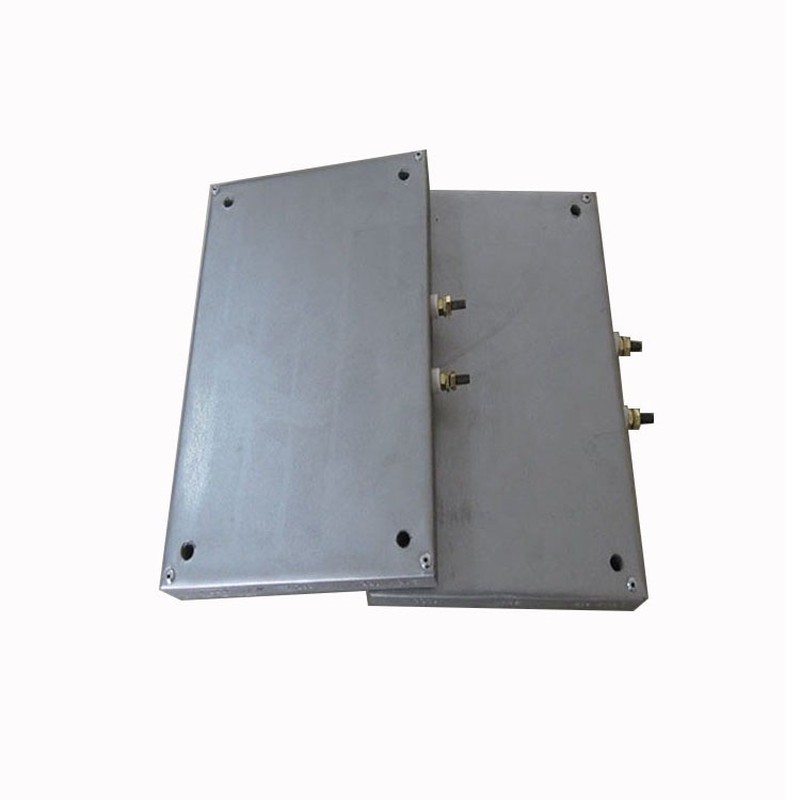
A resistance heating wire (usually nickel-chromium alloy) is embedded within an aluminum body during the casting process. This design ensures direct contact between the heater and the metal body for excellent heat transfer.
Thermal Conductivity
Aluminum has high thermal conductivity. When electric current passes through the heating wire, the aluminum plate heats up evenly and quickly, transferring consistent heat to the mold.
Temperature Regulation
The cast-in aluminum heater typically comes with built-in thermocouples or RTDs for precise temperature monitoring. These sensors allow closed-loop control systems to adjust the power input in real time, maintaining a stable mold temperature.
Mounting on Mold Base or Barrel
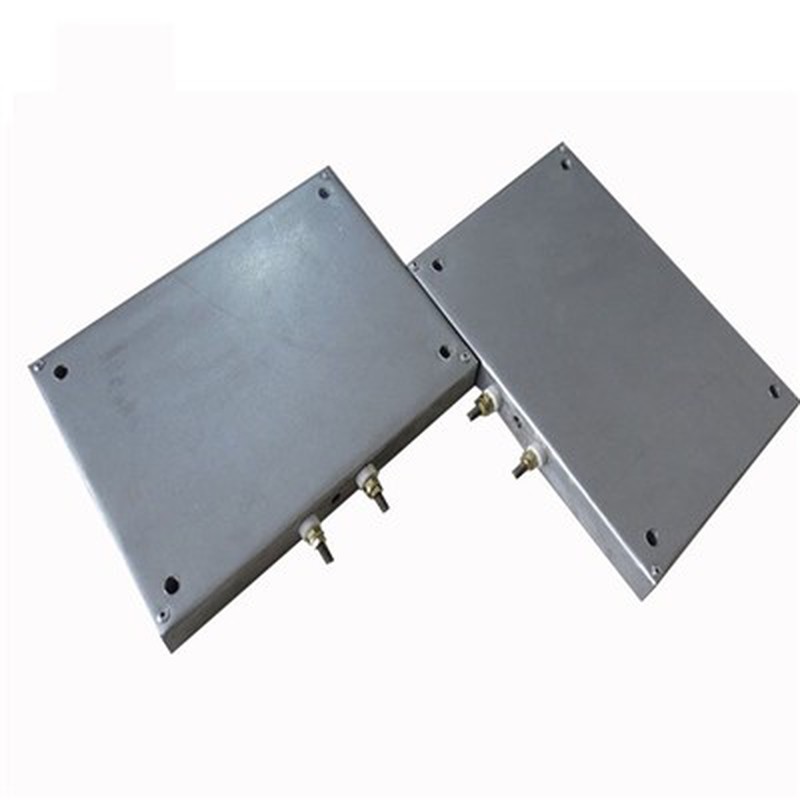
The hot plate is mounted directly onto mold plates or the machine's barrel using bolts or clamps. Custom shapes and drilled holes make installation seamless, matching mold dimensions exactly.
Maintain Mold Temperature: Consistent heating avoids premature cooling of plastic, ensuring full cavity filling.
Improve Surface Finish: Uniform mold temperatures reduce defects like sink marks, weld lines, and warping.
Shorter Cycle Times: Faster heating and precise control speed up molding cycles, increasing productivity.
Reduce Energy Waste: Efficient heat transfer minimizes energy loss compared to conventional band heaters.
| Feature | Cast-in Aluminum Hot Plate |
|---|---|
| Heat Distribution | Extremely uniform |
| Durability | High mechanical strength |
| Customization | Easily cast to shape |
| Sensor Integration | Built-in temperature feedback |
| Life Span | Long-term performance |
Heating mold platens or die plates
Keeping runner systems or hot molds at consistent temperature
Preheating barrels in extruders or molding heads