Nov 20, 2024
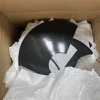
Curved ceramic infrared heaters are highly effective for roasting ovens due to their ability to emit intense and focused heat. Here's how they work:
Mechanism: The curved ceramic heater emits infrared radiation when its internal heating element (typically a resistance wire or coil) is energized. The ceramic surface absorbs this heat and emits it as infrared energy.
Efficiency: Infrared energy directly heats the objects or food in the oven without significantly heating the surrounding air, providing efficient and uniform heating.
The curved shape allows for focused heat distribution. It directs the infrared waves to specific areas, ensuring even roasting across the surface of the food.
The curvature also helps in optimizing heat transfer in confined spaces like roasting ovens.

Infrared radiation penetrates the surface of food items, allowing for deeper and quicker cooking. This results in a crispy exterior and a thoroughly cooked interior, ideal for roasting.
Ceramic infrared heaters heat up quickly and reach their operating temperature in seconds, making them well-suited for applications requiring rapid and consistent heating.
The ceramic surface is robust and withstands high temperatures, ensuring longevity even in demanding roasting environments.
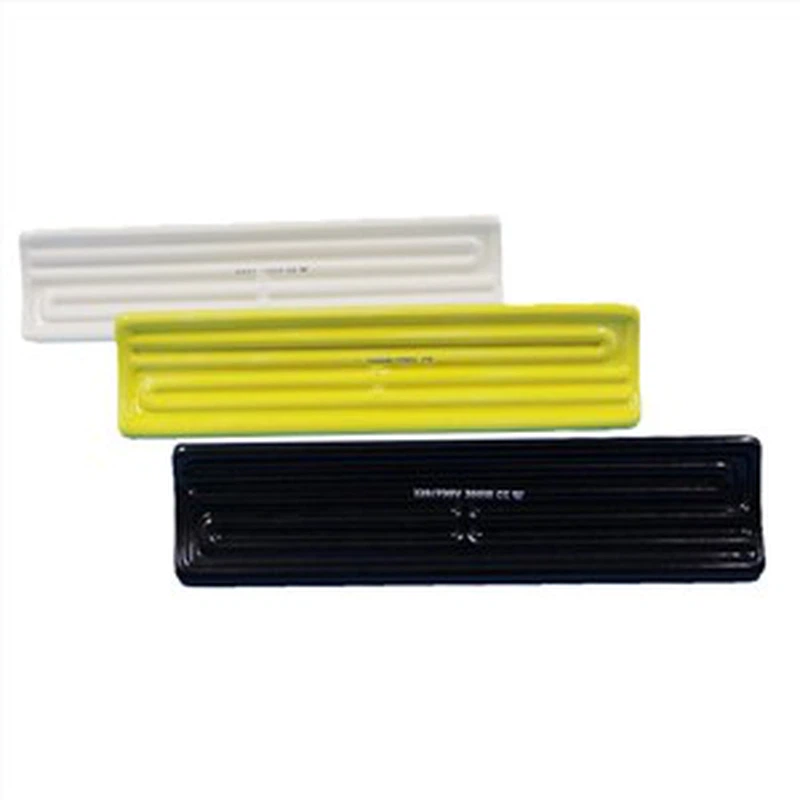
Enhanced food quality due to even and targeted heating.
Reduced cooking times compared to conventional heating methods.
Compact design suitable for integration in modern oven systems.
Previous: How do IBC heaters work in Chemical Industry?
Next: How do flat ceramic infrared heater elements work in heating lighting?