Portable immersion heaters are a simple, direct, and powerful way to heat water, but they must be used with caution.
The Core Principle: Direct Energy Transfer
At its heart, a portable immersion heater works on the same principle as the heating element in your electric kettle. It converts electrical energy directly into heat energy and transfers that heat directly to the liquid it's submerged in. This makes it incredibly efficient, as almost no heat is wasted to the surrounding air.
How They Work: A Step-by-Step Breakdown
The Components
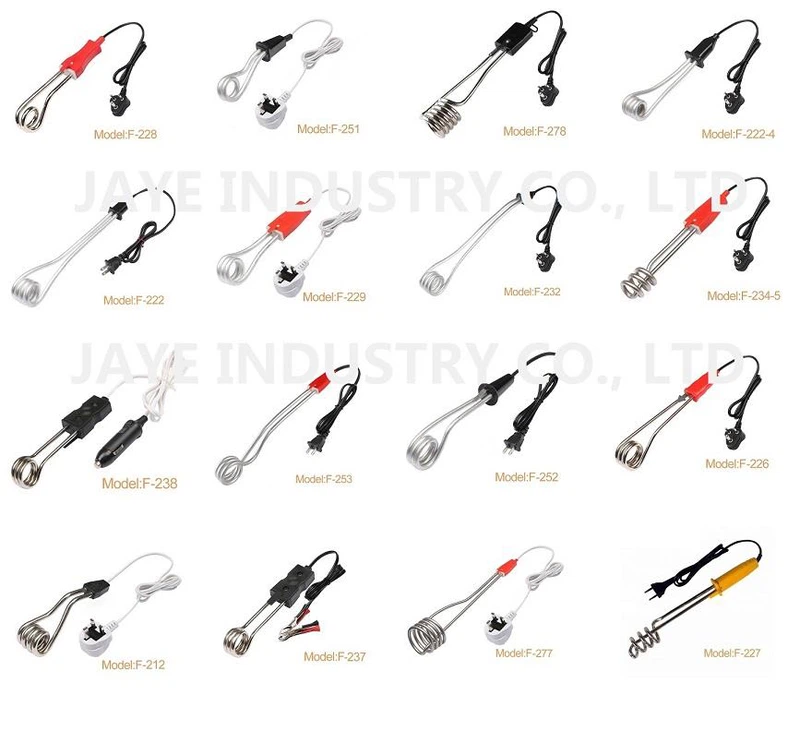
A typical immersion heater consists of:
- A Heating Element: This is the coiled or looped metal part that gets submerged. It's made of a metal alloy (like nichrome) that has high electrical resistance.
- Insulated Handle & Body: This is the part you hold. It houses the electrical connections and ensures you don't touch the hot element or get electrocuted.
- Power Cord: Plugs into a standard household electrical outlet.
- Some models may have:
- A built-in thermostat to prevent overheating.
- An on/off switch or indicator light.
The Heat Transfer
The now red-hot heating element is submerged in the water.
Heat naturally flows from a hotter object to a cooler one. The intense heat from the element is rapidly conducted away into the surrounding water.
This process creates convection currents: hot water rises, and cooler water moves in to take its place, circulating the heat throughout the container. This is why you often see streams of bubbles rising from the heater.
The Result
The continuous transfer of heat from the element to the water raises the temperature of the entire volume of liquid until it boils or until you unplug the heater.
Common Home Use Cases
Portable immersion heaters are best for small-scale, targeted heating tasks:
- Heating a Single Mug of Water: Their most popular modern use. Perfect for making instant coffee, tea, or soup without using a kettle.
- Small Cooking Tasks: Heating a single serving of soup, ramen, or oatmeal directly in the pot or bowl.
- Emergency Hot Water: In a pinch (e.g., a power outage if you have a generator, or a broken water heater), they can be used to heat water for a sponge bath in a bucket or basin.
- Hobbies & Crafts: Used in aquariums to maintain water temperature for tropical fish, or in home brewing for small batches.

Advantages vs. Disadvantages
| Advantages |
Disadvantages |
| Extremely Fast & Efficient: Heats only what you need, directly. |
Significant Safety Risk: Potential for fire, burns, and electrocution. |
| Portable & Compact: Easy to store and travel with. |
Small Capacity: Only practical for heating small volumes of liquid. |
| Inexpensive: Very low initial cost. |
High Power Draw: Can draw as much power as a microwave (1000-1500W), potentially tripping breakers if used on the same circuit as other appliances. |
| Versatile: Can be used in almost any container. |
No Temperature Control: Most basic models just heat until you unplug them or they boil. |
Conclusion
- Portable immersion heaters work through the simple and efficient process of Joule heating, where an electrically resistant element gets hot and transfers that heat directly to the surrounding liquid.
- They are a convenient tool for quickly heating a mug of water or a small pot of soup. However, their convenience is matched by their potential danger. By strictly following the safety rules-especially submerging the element before plugging it in-you can use them effectively and safely for specific home tasks. For larger, more consistent hot water needs, a traditional electric kettle or a built-in water heater is a far safer and more practical solution.