Mar 20, 2026
Cartridge heaters are widely used in industrial equipment such as molds, packaging machinery, and heating blocks due to their compact design and high heat density. However, one of the most frequently reported issues during operation is lead wire burnout. This problem not only interrupts production but can also introduce safety risks if not addressed properly.
Understanding why lead wires fail-and how to prevent such failures-is essential for ensuring stable performance and extending the service life of cartridge heaters.
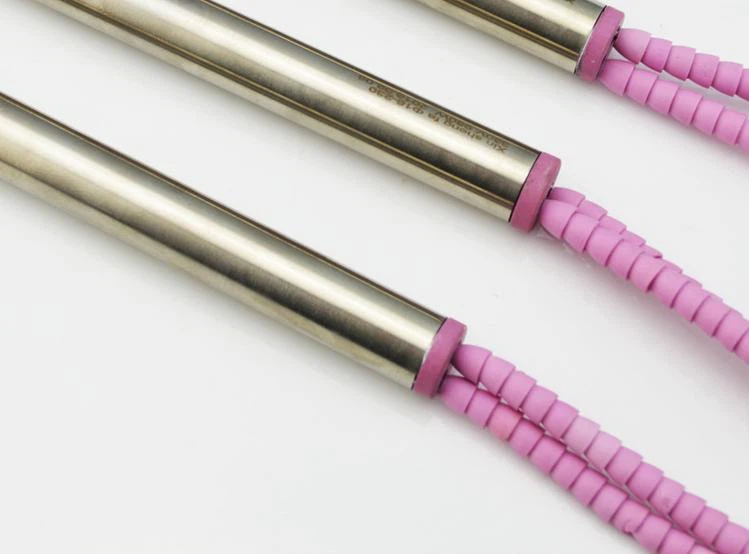
A cartridge heater typically consists of a resistance heating coil, insulation material (usually magnesium oxide), a metal sheath, and lead wires that connect the internal coil to the external power supply.
The lead wires play a critical role: they transfer electrical current into the heating element. Although they do not generate heat intentionally, they are still exposed to elevated temperatures and electrical loads. If any part of this system is compromised, the lead wires can become a weak point.
One of the most common reasons for lead wire damage is inadequate electrical connection. If the contact point between the lead wire and the power source is loose, oxidized, or contaminated, electrical resistance increases.
Higher resistance leads to localized heating at the संपर्क point. Over time, this excessive heat can degrade the insulation and conductor, eventually causing the lead wire to burn.
Another major factor is operating the cartridge heater beyond its rated capacity. This can happen in several ways:
Connecting a heater designed for 220V to a 380V power supply
Using a heater with higher watt density than the system can handle
Running the heater continuously without proper control
When excessive current flows through the system, the lead wires are forced to carry more electrical load than designed. This increases their temperature rapidly and can result in insulation failure or conductor melting.
Environmental conditions also have a significant impact on lead wire performance. High ambient temperature, excessive humidity, or exposure to contaminants can degrade the internal insulation of the heater.
When insulation weakens, electrical leakage may occur. In such cases, current may partially bypass the intended path and flow through the lead wires in unintended ways, causing overheating and eventual burnout.
In some cases, lead wires are damaged due to physical factors rather than electrical ones. Excessive bending, pulling, or improper routing during installation can weaken the wire structure.
Over time, these mechanical stresses can lead to internal breakage or poor conductivity, which increases resistance and heat generation at specific نقاط.
The following table summarizes the main causes of lead wire burnout and their effects:
| Cause | Main Issue | Resulting Risk | Severity Level |
|---|---|---|---|
| Poor contact | Increased resistance | Local overheating | High |
| Electrical overload | Excessive current | Rapid temperature rise | Very High |
| Harsh environment | Insulation degradation | Leakage and overheating | High |
| Mechanical stress | Physical damage to wires | Intermittent or weak current | Medium |
This comparison helps identify which factors are most critical in different working conditions.
Choosing the correct specifications is the first step in preventing lead wire failure. Always match the heater's rated voltage and wattage to the actual application requirements.
Using an incorrectly rated heater significantly increases the risk of overload, which is one of the fastest ways to damage lead wires.
During installation, all electrical connections should be tight and free from oxidation or contamination. High-quality terminals and proper crimping techniques can greatly reduce contact resistance.
Regular inspection is also recommended to ensure that connections remain stable over time.
Maintaining a suitable working environment is essential. Whenever possible:
Avoid excessive humidity
Prevent exposure to corrosive substances
Ensure adequate ventilation to dissipate heat
In high-temperature applications, consider using high-temperature-resistant lead wires or additional insulation protection.
Proper handling of lead wires during installation can prevent long-term damage. Avoid sharp bends, excessive pulling, or twisting. Using protective sleeves or strain relief components can also help extend the lifespan of the wires.
Lead wire burnout in cartridge heaters is a common but preventable issue. It is typically caused by a combination of electrical, environmental, and mechanical factors rather than a single.
By selecting appropriate specifications, ensuring solid electrical connections, maintaining a clean operating environment, and handling components carefully, users can significantly reduce the risk of failure.
A well-maintained cartridge heater not only performs more reliably but also improves overall system safety and efficiency, making these preventive measures both practical and cost-effective in the long run.
Previous: Why Cartridge Heaters Are the Heart of Your Tissue Packager’s Temperature Control System?
Next: Top 10 Global Oven Heating Element Manufacturers (Electric Oven Heater Tubes)