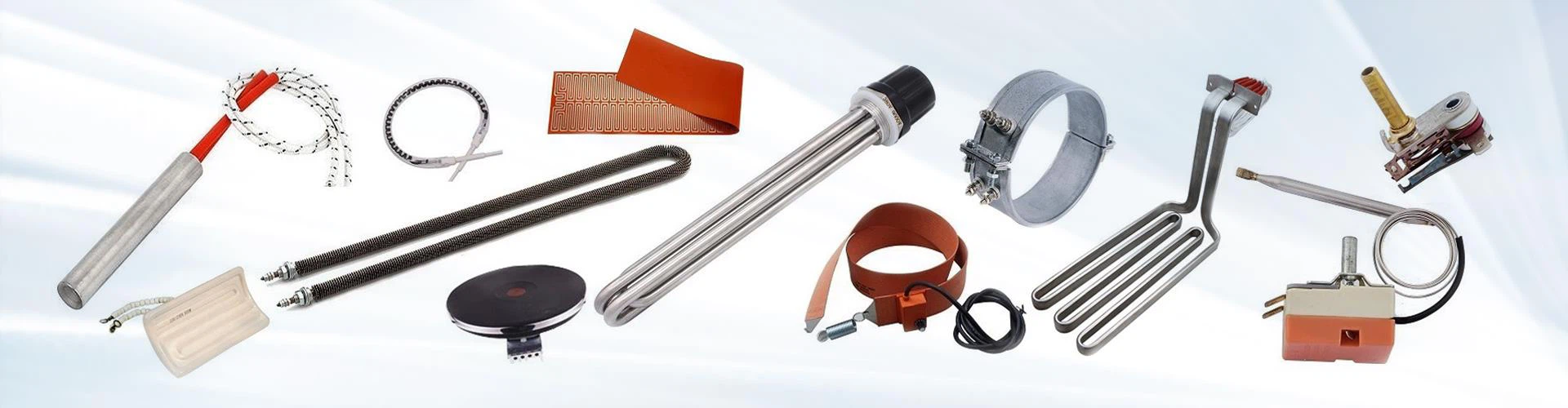
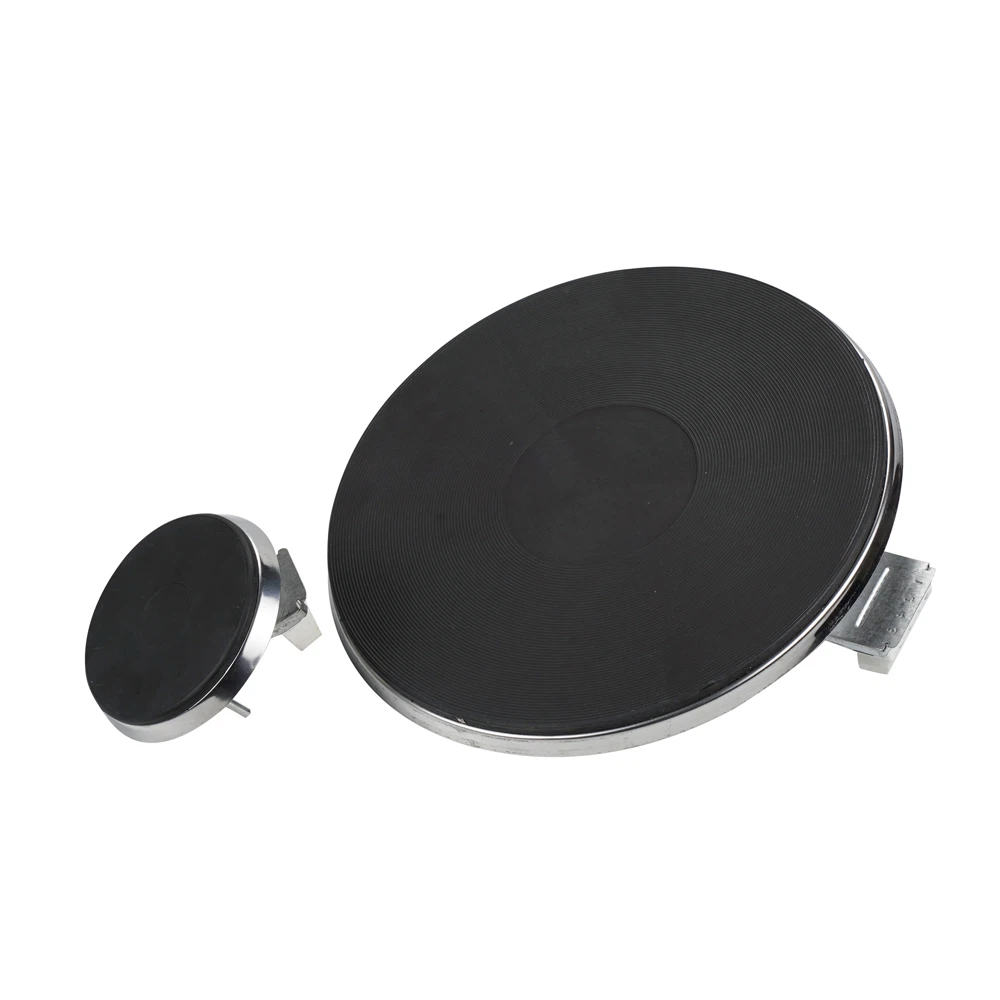
Round cast iron hot plates serve as durable and adaptable heating tools suitable for diverse environments, including culinary, industrial, and laboratory applications.
By leveraging cast iron's natural capacity to absorb, store, and disperse heat uniformly, these devices deliver steady and concentrated thermal output for efficient operation.
1. How Round Cast Iron Hot Plates Work
These heating units operate via an internal electric heating element, which generates thermal energy when an electrical current passes through. This energy is then conducted to the thick, circular cast iron cooking surface. Cast iron's inherent properties allow it to warm gradually while maintaining an even temperature profile and strong heat retention, minimizing hot spots. In contrast to coil-based or induction systems, these plates provide direct conductive heating. Their seamless solid surface also simplifies cleaning and contains spills, protecting internal parts from moisture or debris.
2. Major Benefits of Round Cast Iron Hot Plates
- Excellent Thermal Distribution: Ensures consistent heating across the surface, vital for reproducible cooking and lab results.
- Long-Term Sturdiness: Cast iron is highly impact-resistant and, with correct upkeep, offers strong corrosion resistance.
- Broad Compatibility: Functions on induction and conventional stovetops, and accommodates a variety of cookware and lab glass.
- Energy-Saving Design: Focuses heat on the target vessel, lowering unnecessary energy loss common with larger equipment.
- Space-Saving and Portable: Compact form enables use in tight quarters or as a supplemental heating point where needed.
3. Adaptability in Home and Professional Kitchens
In food preparation contexts, these hot plates deliver flexible support:
- Household Use: Acts as an extra burner or for tableside food warming. With regular use and proper seasoning, the surface develops natural non-stick qualities and may enhance food flavor.
- Commercial Kitchens: Ideal for sauce holding, pop-up cooking stations, or mobile food services. The rugged build and cleanable surface meet hygiene standards while sustaining a professional appearance in customer-facing areas.
4. Critical Roles in Labs and Industrial Processes
Their precise temperature management makes these hot plates indispensable in technical settings:
- Laboratory Functions: Applied for heating samples, stirring mixtures, solvent evaporation, and temperature-sensitive syntheses.
- Industrial Uses: Commonly used for drying, preheating components, adhesive curing, and thermal testing, where uniform heat ensures process repeatability and product quality.
5. Maintenance Guidelines for Durability and Performance
To preserve functionality and extend service life:
- Cleaning: Wipe with a damp cloth or soft brush; avoid immersion. Mild detergent is acceptable, but harsh scouring should be avoided to protect the seasoned layer.
- Seasoning Care: Regularly applying a thin oil coat and gentle heating helps maintain the protective polymerized layer, improving non-stick performance and rust prevention.
- Troubleshooting: Use flat-based containers to avoid uneven heating. If the unit fails to start, inspect the power supply and cord. Adequate airflow around the device will prevent overheating during extended operation.
Jaye Heater offers a comprehensive range of high-quality heating plates. Custom orders are welcome.
Customization services available. Professional technicians and sales representatives are here to assist you.
Jaye Heater - Your One-Stop Solution for Heating Elements