Jun 09, 2025
Ceramic hot plates are generally more energy-efficient than traditional metal heating elements (like coiled or solid disks) due to several key factors:
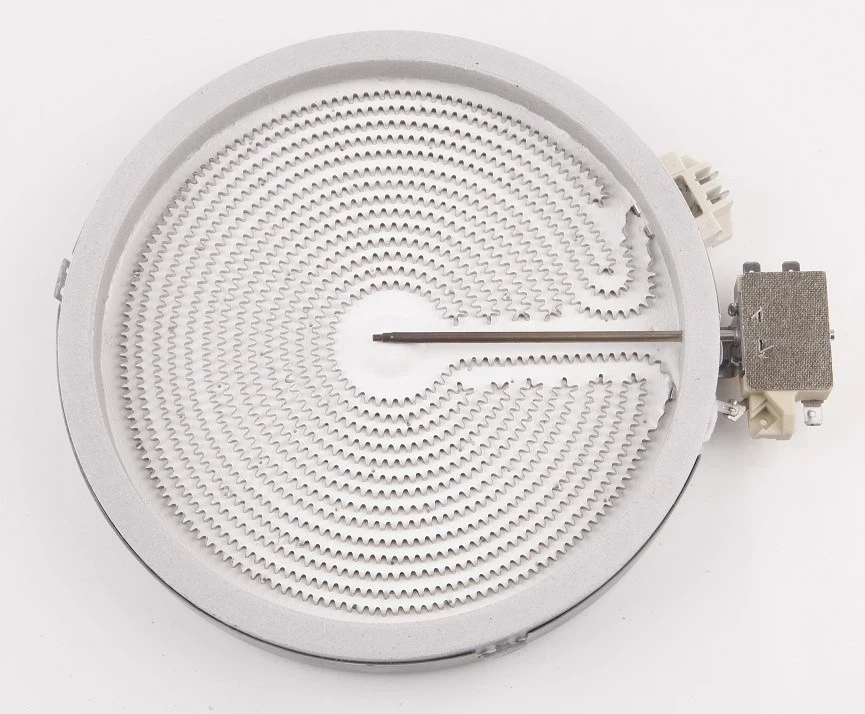
Ceramic plates heat up and cool down more quickly than metal elements because they have lower thermal mass. This means they require less energy to reach the desired temperature and waste less residual heat when turned off.
Metal elements (especially coiled ones) retain heat longer, leading to energy loss through continued radiation even after being switched off.
Ceramic surfaces distribute heat more evenly across the cooking area, reducing hotspots and ensuring more efficient energy use.
Metal coils or solid disks often concentrate heat in specific areas, requiring higher power input to achieve uniform heating.
While not as efficient as true induction, some ceramic plates use infrared heating, which directly transfers energy to the cookware rather than heating the entire surface.
Metal elements rely on conduction, losing more energy to the surrounding air.
Ceramic surfaces tend to direct more heat upward into the cookware rather than radiating it sideways.
Open metal coils lose more energy to the air through convection and radiation.
Modern ceramic plates often pair with electronic thermostats, allowing finer temperature adjustments and reducing unnecessary energy use.
Traditional metal elements (especially older models) may cycle on/off less efficiently, wasting power.
Induction Cooktops (which use magnetic metal coils) are even more efficient than ceramic plates, as they heat the cookware directly with minimal waste.
Cheap ceramic plates with poor quality may not outperform high-end metal elements. Efficiency also depends on proper cookware contact.
Ceramic hot plates save energy primarily due to quicker response times, better heat distribution, and reduced wasted heat. However, the most efficient option overall remains induction cooking.
Previous: How do silicone heating pads prevent material clogging in industrial hoppers during cold weather?
Next: Does the chocolate tempering table require a high temperature for the cast aluminum heater