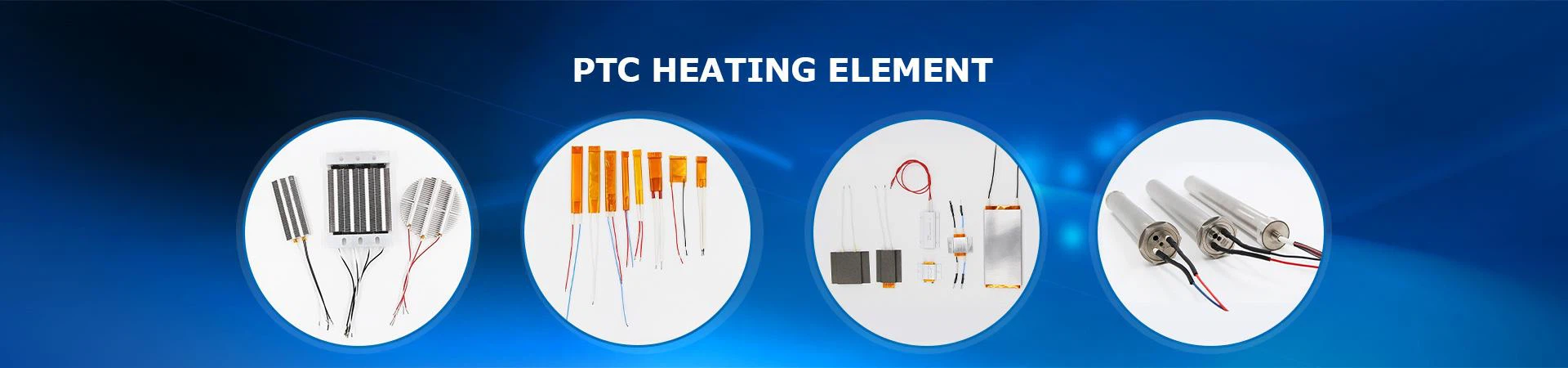
A PTC (Positive Temperature Coefficient) air heating element is made up of a ceramic material that exhibits a positive temperature coefficient, which means that the resistance of the material increases as the temperature increases. This is in contrast to traditional heating elements, which use...
Jaye Heater Technology Co., Ltd. is one of the most reliable manufacturers and suppliers of ptc air heating element in China, also supports custom service. Welcome to wholesale high quality ptc air heating element at competitive price from our factory.
A PTC (Positive Temperature Coefficient) air heating element is made up of a ceramic material that exhibits a positive temperature coefficient, which means that the resistance of the material increases as the temperature increases. This is in contrast to traditional heating elements, which use materials that have a negative temperature coefficient, where the resistance decreases as the temperature increases.
In PTC heating elements, the ceramic material is embedded with conductive particles such as nickel, silver, or aluminum, which increases the resistance and heats up the element when an electric current flows through it. As the temperature of the element increases, the resistance also increases, which limits the amount of current flowing through the element and prevents it from overheating.

| Size | 25mm*20mm*5mm |
| Voltage supply | 12 VDC |
| Constant surface temperature | 80 - 120 °C |
| Heat material | PTC Thermistor |
| Wire length | 150mm |


1-Energy Efficiency
PTC air heating element is more energy-efficient than traditional heating elements because they regulate their temperature automatically. As the temperature of the surrounding air increases, the resistance of the PTC element increases, which reduces the amount of electricity needed to maintain the desired temperature. This results in lower energy consumption and reduced operating costs.

2-Self-Regulating
PTC air heating element is self-regulating, which means they can automatically adjust their output based on the surrounding temperature. This eliminates the need for a thermostat or other control mechanism, which simplifies the design and reduces the cost of the heating system.


PTC air heating elements can be used in a variety of appliances and applications where air needs to be heated. Some examples include:
HVAC (Heating, Ventilation, and Air Conditioning) systems
Hair dryers
Hand dryers
Clothes dryers
Space heaters
Industrial drying equipment
Automotive cabin heaters

Hot Tags: ptc air heating element, China, manufacturers, suppliers, factory, wholesale, custom, price, electric, high quality, PTC Ceramic Heater Element, PTC Ceramic Heater 1500W, PTC Heating Element 12V, PTC Ceramic Heater, PTC Elements For Surface Heating, PTC Ceramic Heating Element