Jan 15, 2026
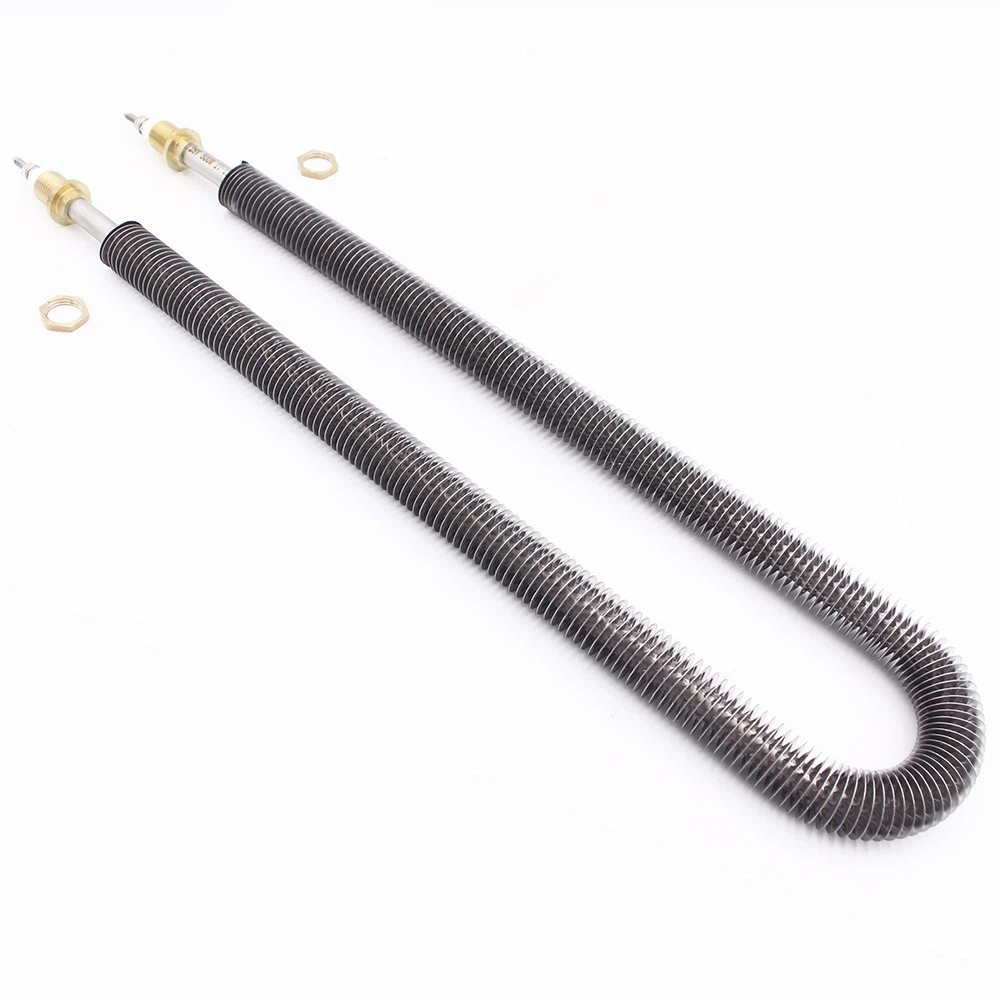
Fin tube heaters represent a critical component in modern HVAC (Heating, Ventilation, and Air Conditioning) systems, particularly in fan coil units where efficient heat transfer is essential for optimal performance. These specialized heating elements combine the thermal conductivity of metal tubes with extended surface fins to achieve superior heat dissipation capabilities. Their application spans across residential, commercial, and industrial HVAC systems, offering significant advantages over traditional heating solutions.
Fin tube heaters operate on a simple yet effective principle: heat transfer through extended surface area. The base tube, typically made of copper, stainless steel, or carbon steel, circulates the heat medium (hot water, steam, or thermal oil). Fins attached to the outer surface of these tubes dramatically increase the heat transfer area-typically by 5-10 times compared to smooth tubes. This design allows for more efficient heat exchange between the heating medium and the surrounding air, whether through natural convection or forced airflow from fans.
The fins are typically made of aluminum or copper and can be arranged in various configurations, including spiral-wound, extruded, or embedded designs. The fin pitch (number of fins per inch) and fin thickness can be customized based on specific application requirements, with common configurations ranging from 7 to 11 fins per inch.
The primary advantage of fin tube heaters lies in their exceptional heat transfer efficiency. By increasing the surface area available for heat exchange, these heaters can achieve thermal performance improvements of 30-50% compared to smooth tube designs. This translates to faster temperature rise times and more responsive heating control in fan coil units.
The high surface-to-volume ratio of fin tube heaters allows for more compact equipment designs. This is particularly valuable in space-constrained applications such as apartment HVAC closets, commercial building mechanical rooms, and industrial control panels. The reduced footprint enables more flexible installation options and better space utilization.
Improved heat transfer efficiency directly contributes to lower energy consumption. Fin tube heaters require less energy to achieve the same heating output as conventional heaters, resulting in significant operational cost savings over time. This energy efficiency makes them particularly suitable for continuous operation applications.
Constructed with corrosion-resistant materials like stainless steel or aluminum, fin tube heaters offer excellent durability in various operating environments. The fins provide additional protection against erosion and corrosion, extending the service life of the heating elements. With proper maintenance, these heaters can operate reliably for 10-15 years.
Fan coil units (FCUs) are among the most common applications for fin tube heaters in HVAC systems. These units typically consist of a heating coil, cooling coil, and fan assembly that circulates conditioned air throughout a space. Fin tube heaters serve as the heating coil component, providing efficient heat transfer from hot water or steam to the air stream.
In FCU applications, fin tube heaters offer several specific benefits:
Proper installation and maintenance are crucial for maximizing the performance and lifespan of fin tube heaters in HVAC systems. Key considerations include:
When compared to other heating technologies, fin tube heaters offer distinct advantages:
vs. Smooth Tube Heaters: Fin tube heaters provide 30-50% better heat transfer efficiency and more compact designs, making them ideal for space-constrained applications.
vs. Electric Resistance Heaters: While electric heaters offer quick response times, fin tube heaters with hot water or steam provide lower operating costs and better energy efficiency for continuous heating applications.
vs. Plate Heat Exchangers: Fin tube heaters are more cost-effective and easier to maintain, though plate exchangers may offer slightly higher efficiency in some applications.
The evolution of fin tube heater technology continues to focus on improving efficiency and versatility. Emerging trends include:
Fin tube heaters represent a mature yet continuously evolving technology that plays a vital role in modern HVAC systems, particularly in fan coil units.
Their combination of high thermal efficiency, compact design, and durability makes them an ideal choice for both new installations and retrofits.
As energy efficiency requirements become increasingly stringent and space constraints more common, the demand for fin tube heaters in HVAC applications is expected to grow.
By understanding their working principles, advantages, and proper maintenance practices, HVAC professionals can maximize the performance and longevity of these critical heating components.

If you require heating elements, Jaye Heater-as a long-standing manufacturer of heating elements-will assist you with our team of professional technicians and sales personnel.
Previous: Top 10 Flange Screw Plug Immersion Water Heater Manufacturers Worldwide
Next: What Are the Key Characteristics of Ceramic IR Heaters in Precision Coating Curing?