Jan 19, 2026
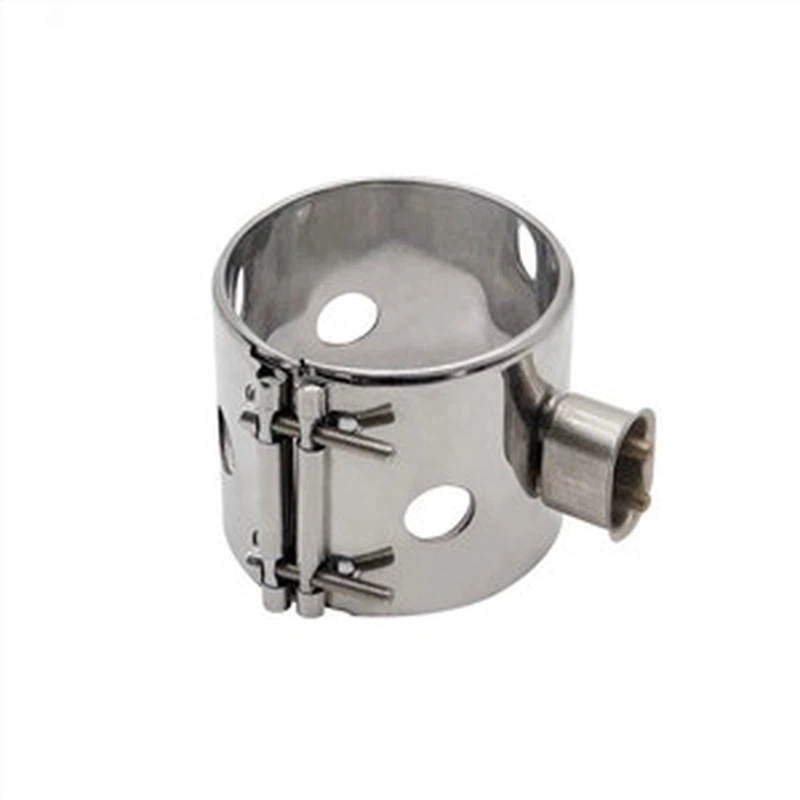
The band heater is a cylindrical, clamp-on electric heating element that wraps around the outside of the wax pot's melting chamber. It transfers heat conductively through the metal wall of the pot to melt the wax inside evenly and consistently.

1. The Band Heater Itself:
Structure: It's typically a metal band (often stainless steel or plated steel) containing a resistive heating wire (like nichrome) embedded in an electrical insulation material (commonly mica or ceramic).
Function: When plugged in, electricity flows through the resistive wire, causing it to heat up due to its resistance (Joule heating).
2. The Wax Pot (Melting Chamber):
This is a metal vessel, usually made of aluminum or stainless steel, which holds the solid wax.
It sits directly inside the band heater, ensuring maximum surface contact.

3. The Outer Housing/Casing:
This is the decorative outer shell of the wax warmer. It houses the band heater and pot assembly and provides safety and insulation.
4. Thermostat or Thermal Fuse:
Crucial for Safety & Control. Band heaters in wax warmers are almost always paired with a thermostat.
The thermostat regulates temperature, cycling the heater on and off to maintain a safe, optimal wax melting temperature (typically between 125°F - 150°F or 52°C - 66°C). This prevents the wax from overheating, smoking, or catching fire.

Previous: How Round PI Heating Film Work For Solar Battery Panel?
Next: How Cartridge Heaters Function: Principles, Applications, and Operational Guidelines?