
Oct 25, 2024
Jet nozzles play a crucial role in filling machines, particularly in the food and beverage, pharmaceutical, and cosmetic industries. Here's how they work:
Jet Nozzle Type: Jet nozzles can come in various designs, including straight, angled, or specialized shapes, depending on the application.
Fluid Dynamics: They use the principle of fluid dynamics to create a controlled flow of liquid. As the liquid passes through the nozzle, it is accelerated, creating a jet that can fill containers efficiently.
Pumping System: The filling machine includes a pumping system that draws the liquid from a reservoir and pushes it through the nozzle.
Pressure Control: The pressure of the liquid is carefully controlled to ensure consistent flow rates. Adjusting the pressure can alter the speed and volume of the liquid jet.
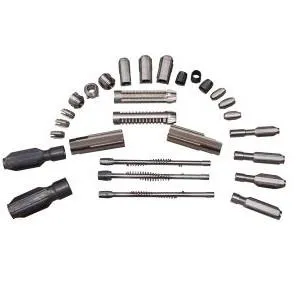
Positioning: The container is positioned under the nozzle. Some filling machines have automated systems to align the container accurately.
Jet Injection: When activated, the nozzle releases a jet of liquid into the container. The design of the nozzle ensures that the liquid is directed precisely, minimizing spills and ensuring an even fill.
Speed: Jet nozzles can fill containers quickly due to the high flow rates they can achieve.
Accuracy: They provide accurate filling, which is essential for maintaining product quality and consistency.
Versatility: Jet nozzles can be adjusted for various container sizes and shapes, making them suitable for a wide range of products.
Air Jet Nozzles: Used for dry filling or to create a vacuum effect for drawing in the product.
Liquid Jet Nozzles: Designed for liquid applications, ensuring a smooth and steady flow.
Food and Beverage: Filling bottles with juices, sauces, or dairy products.
Pharmaceuticals: Filling vials with liquids or suspensions.
Cosmetics: Filling containers with lotions, creams, or oils.
In summary, jet nozzles are an integral part of filling machines, providing efficient, accurate, and fast filling capabilities across various industries.




