Jan 15, 2025
KST Adjustable Thermostats are commonly used in packaging machines to regulate the temperature of heating elements, ensuring that the machines operate within the required temperature range for efficient packaging. Here's how they work:
Temperature Sensing: The KST Adjustable Thermostat has a built-in sensor (typically a bi-metallic strip or a thermistor) that detects the temperature of the heating element or the machine's environment.
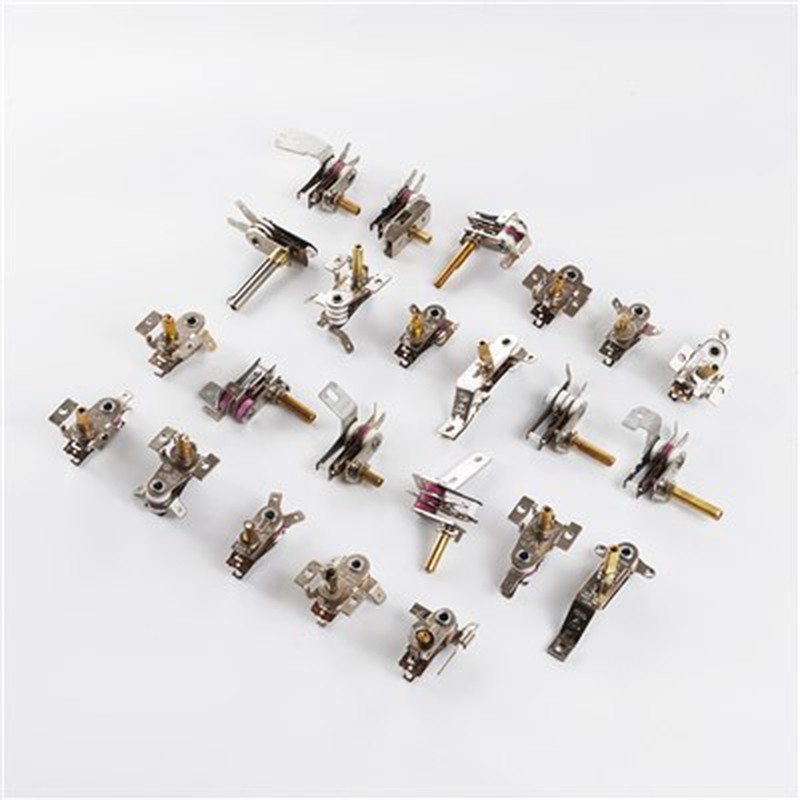
Set Point Adjustment: The thermostat features an adjustable dial or digital control, allowing operators to set the desired temperature. This set point is the target temperature at which the thermostat will maintain the heating system.
Activation and Deactivation: Once the temperature of the system reaches the set point, the thermostat activates or deactivates the heating element. This process is typically carried out through a relay or switch mechanism within the thermostat.
Maintaining Consistent Temperature: As the heating element heats up or cools down, the thermostat constantly monitors the temperature. If it goes above or below the set range, the thermostat will cut off or supply power to the heating element, ensuring the machine stays within the optimal operating temperature.

Safety Feature: KST Adjustable Thermostats often come with built-in safety mechanisms such as thermal cutoffs or overheat protection. This prevents overheating, reducing the risk of damage to both the packaging machine and the products being processed.
In packaging machines, these thermostats are crucial for precise temperature control, ensuring that processes such as sealing, curing, or molding are carried out at the right temperature to maintain product quality and machine efficiency.
Previous: How does KSD301 thermostats work for electric heaters?
Next: How Ceramic Hot Plates Are Used in Food Processing Applications?