Finned tubular heaters are a critical, though often overlooked, component in many air conditioners, specifically in the indoor unit (evaporator) of heat pumps and some specialty cooling systems.
Here's a detailed breakdown of how they work and why they're used.

What is a Finned Tubular Heater?
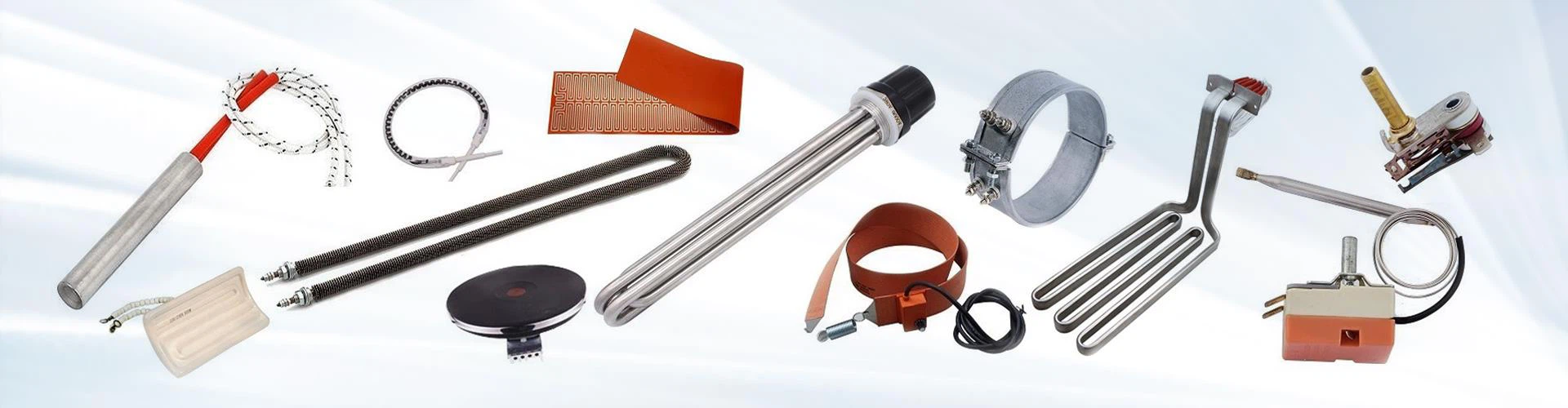
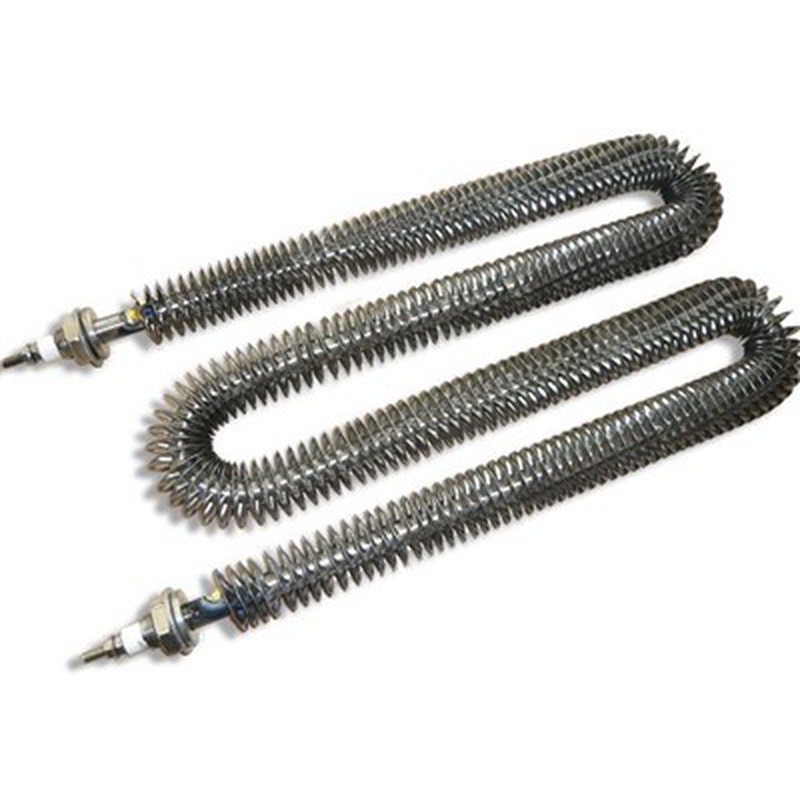
- It's essentially an electric resistance heater that is integrated into the air conditioner's coil assembly. The core is a metal tube (often stainless steel) containing a resistive wire embedded in magnesium oxide powder for insulation and heat transfer. This tube is mechanically bonded to a series of aluminum fins, which dramatically increase its surface area for heat exchange.
- In a nutshell: It works just like a large, heavy-duty version of the heating element in a hair dryer or space heater, but designed to fit perfectly within the AC's coil.
Primary Function: Defrosting the Evaporator Coil (in Heat Pump Mode)
This is the most common and crucial application. In a heat pump, the roles of the indoor and outdoor coils reverse:
- In Cooling Mode: The indoor coil is the cold evaporator that absorbs heat from your room.
- In Heating Mode: The outdoor coil becomes the cold evaporator, absorbing heat from the outside air.
- Here's where the problem and solution occur:
- The Problem – Frost Buildup: When the outdoor coil operates as an evaporator in cold weather (e.g., below 40°F / 4°C), moisture in the air freezes on its cold fins and tubes. This frost acts as an insulator, drastically reducing the coil's ability to absorb heat from the outside air. If unchecked, the system's heating efficiency plummets, and pressure issues can damage the compressor.
- The Solution – Initiating Defrost Cycle: The AC's control board monitors conditions (coil temperature, pressure, or runtime) and detects when frost has built up sufficiently to require removal.

- How the Heater Works: The system temporarily reverses back to cooling mode (making the outdoor coil hot). Simultaneously, the finned tubular heater embedded in the outdoor coil is energized.
- The heater directly radiates heat to the fins and tubes it's attached to.
- This supplements the hot refrigerant now flowing through the coil, ensuring a rapid and complete defrost.
- The heat melts the frost quickly, turning it into water that drains away.
- Result: Once the defrost cycle is complete (typically 3-10 minutes), the heater turns off, the system switches back to heating mode, and the now-clean coil can efficiently extract heat again.
- Why use an electric heater for this? It provides fast, reliable, and targeted heat to ensure defrosting is effective even in very low temperatures, protecting the compressor and maintaining system capacity.

Other Applications in Air Conditioners
1. Emergency/Backup Heat (Auxiliary Heat):
In heat pumps, there's a point (usually around 25-30°F / -4 to -1°C) where they can't extract enough heat from the outside air to meet the building's demand. A larger bank of finned tubular heaters, often located in the indoor air handler, is activated to provide supplemental warmth. This is the "Auxiliary Heat" or "Emergency Heat" you see on your thermostat.
2. Reheat Function for Dehumidification (Some High-End Systems):
In humid climates, some systems (like those with a "dry" mode or dedicated dehumidifiers) overcool the air to condense out moisture and then reheat it to a comfortable temperature without adding humidity.
A finned tubular heater in the indoor unit can provide this precise reheat, preventing the space from becoming too cold while actively removing moisture.
3. Cold Climate Startup & Fan Coil Units:
In some commercial systems or cold climate installations, a small heater might be used to prevent condensation or ensure proper refrigerant behavior on startup.
In fan coil units used for cooling, a finned tubular heater can be installed to provide heating capability, making it a versatile year-round device.
Key Advantages in AC Applications:
- High Efficiency in Heat Transfer: The fins maximize contact with the passing air, transferring heat quickly and effectively.
- Compact & Integrated Design: They fit snugly between the refrigerant tubes of the coil, minimizing airflow restriction.
- Durability & Safety: The tubular construction is robust, and the embedded design protects the element. They are often paired with safety devices like thermal cut-offs.
- Rapid Response: Electric resistance provides heat almost instantly when powered on.
Summary
While not found in every standard cooling-only air conditioner, the finned tubular heater is a vital component in most heat pumps and advanced HVAC systems. Its primary job is as a defroster for the outdoor coil in heating mode, ensuring reliable operation in winter. Secondarily, it can act as a supplemental or backup heater to maintain comfort when the heat pump's capacity is insufficient.
Contact now