
Sep 23, 2024
Air dryer heater elements are an efficient and reliable piece of technology that can be used in a variety of household appliances, including rice cookers. By harnessing the power of air flow manipulation, these heating elements can help cooks create perfectly cooked rice each time they use their cooker.
One of the key benefits of using air dryer heater elements in rice cookers is their ability to quickly and evenly distribute heat throughout the cooking process. Unlike traditional heating elements, which may rely on concentrated heat sources, air dryer heater elements spread the heat out over a larger surface area, ensuring that the rice is cooked through evenly. This means that regardless of the size or shape of the cooker, the rice will cook evenly and be ready to serve in no time.
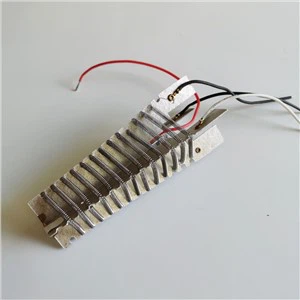
Another benefit of using air dryer heater elements in rice cookers is their energy efficiency. These heating elements are designed to use less energy than other types of heating elements, helping to keep energy bills low while still providing reliable cooking performance. This efficiency also helps to reduce carbon emissions, making air dryer heater elements a great choice for environmentally conscious cooks.
Finally, air dryer heater elements are incredibly reliable and long-lasting, providing years of dependable service to rice cooker users. With regular maintenance and care, these heating elements can continue to provide quick and efficient heating for many years to come, making them a valuable investment for any kitchen.
In conclusion, air dryer heater elements can be an excellent choice for rice cooker users looking for fast, even, and energy-efficient cooking performance. With their reliable and long-lasting design, these heating elements are a great investment for anyone looking to upgrade their cooking equipment. So why not consider an air dryer heater element for your next rice cooker purchase and experience the benefits and conveniences it has to offer?
Previous: How to use infrared ceramic heating elements in medical and laboratory equipment?
Next: How do finned tubular heaters compare to traditional heating methods?




