
Aug 16, 2024
Custom stainless steel immersion heaters are commonly used in chemical processes where precise temperature control and corrosion resistance are crucial. These heaters are designed to efficiently transfer heat to liquids, including corrosive chemicals, by converting electrical energy into thermal energy.
The heater's construction is tailored to withstand the specific demands of chemical processes. The heating element is encased in a stainless steel sheath, often made from grades like 316 or 304 stainless steel, which offers excellent resistance to corrosion, especially in aggressive chemical environments. The heating element inside is insulated with magnesium oxide (MgO) or ceramics, ensuring both electrical insulation and efficient heat transfer to the liquid.
The custom stainless steel immersion heater is directly immersed in the chemical solution within tanks, vessels, or reactors. This direct contact allows for rapid heat transfer, efficiently raising the temperature of the chemical solution. Depending on the process, heaters can be mounted via flanges or threaded fittings, providing secure and flexible installation options in various chemical setups.
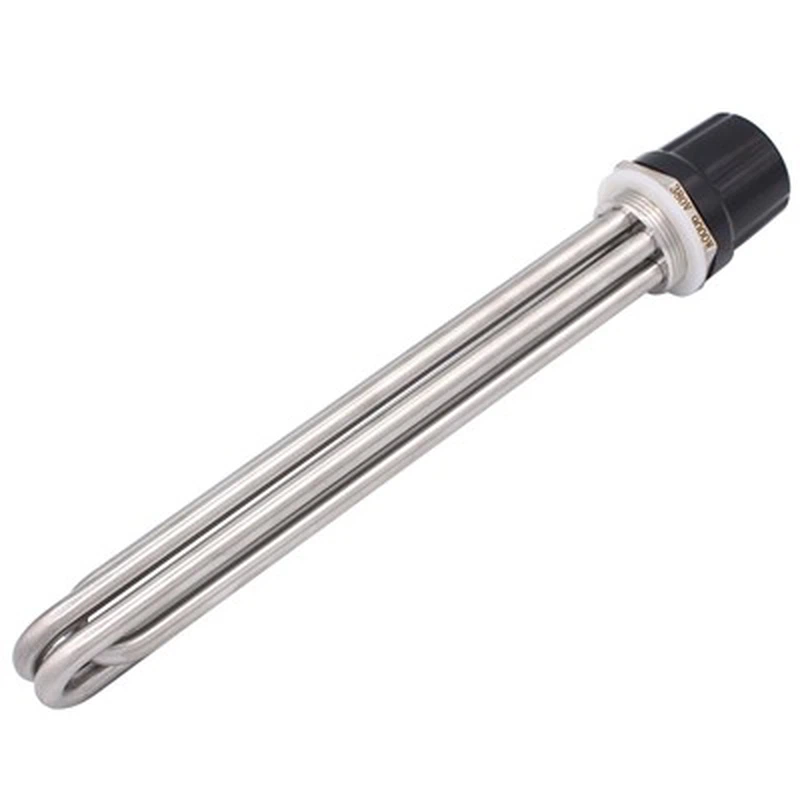
When electrical power is supplied, the resistive heating element generates heat. This heat is transferred through the stainless steel sheath to the chemical solution, raising its temperature. The design of the heater ensures uniform heating, preventing the formation of hotspots that could lead to uneven chemical reactions or damage to the equipment.
Precise temperature control is essential in chemical processes, and custom immersion heaters are often equipped with thermostats or sensors. These devices monitor and regulate the temperature to maintain the desired levels, ensuring process stability and safety. Additional safety features like thermal cutoffs and pressure relief valves help prevent overheating and pressure buildup, protecting both the equipment and the chemical process.
Custom stainless steel immersion heaters provide efficient, reliable, and safe heating solutions for chemical processes. Their ability to resist corrosion, deliver uniform heat, and allow precise temperature control makes them essential components in various chemical applications.
Previous: How is the working process of Tubular Immersion Resistance in HVAC Systems?
Next: How is the working process of Electric Industrial Immersion Tubular Heater in oil heating?




