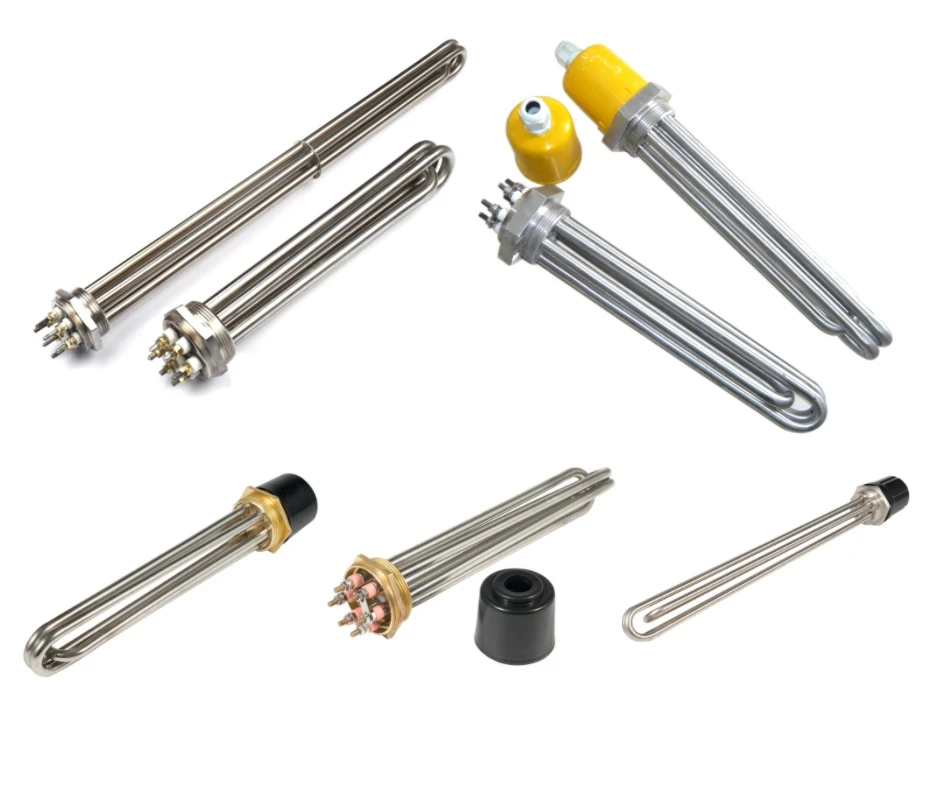
How to prevent flange heater leaks in pipeline systems?
Preventing flange heater leaks in pipeline systems is crucial for ensuring system reliability, safety, and performance-especially under high-pressure or high-temperature conditions. Here's a comprehensive guide to minimizing or preventing leaks:
1. Proper Gasket Selection
- Use high-quality, pressure-rated gaskets appropriate for the fluid, pressure, and temperature.
- Common gasket types:
- Spiral wound gaskets: Excellent for high pressure/temperature.
- Ring-type joint (RTJ) gaskets: Ideal for very high-pressure applications.
- Graphite or PTFE gaskets: For chemical resistance.
- Match gasket material to the media to avoid corrosion or degradation.
2. Correct Torque and Bolt Tightening
- Uneven bolt torque is a major cause of flange leaks.
- Follow a star-pattern or cross-pattern when tightening flange bolts.
- Use a calibrated torque wrench and adhere to the manufacturer's recommended torque values.
- Consider using lubricated bolts to ensure even load distribution.
3. Flange Surface Inspection and Preparation
- Ensure mating flange faces are clean, smooth, and free of scratches or warping.
- Surface finish should be within spec-typically Ra 125–250 μin for most gasket types.
- Check for corrosion, dents, or pitting on the flange face and repair or replace as needed.
4. Use High-Quality Flange Heaters
- Choose flange heaters designed and tested for your pressure and temperature conditions.
- Look for ASME-coded or pressure-tested flange heater assemblies.
- Ensure heater sheaths and welds are inspected for cracks or pinholes.