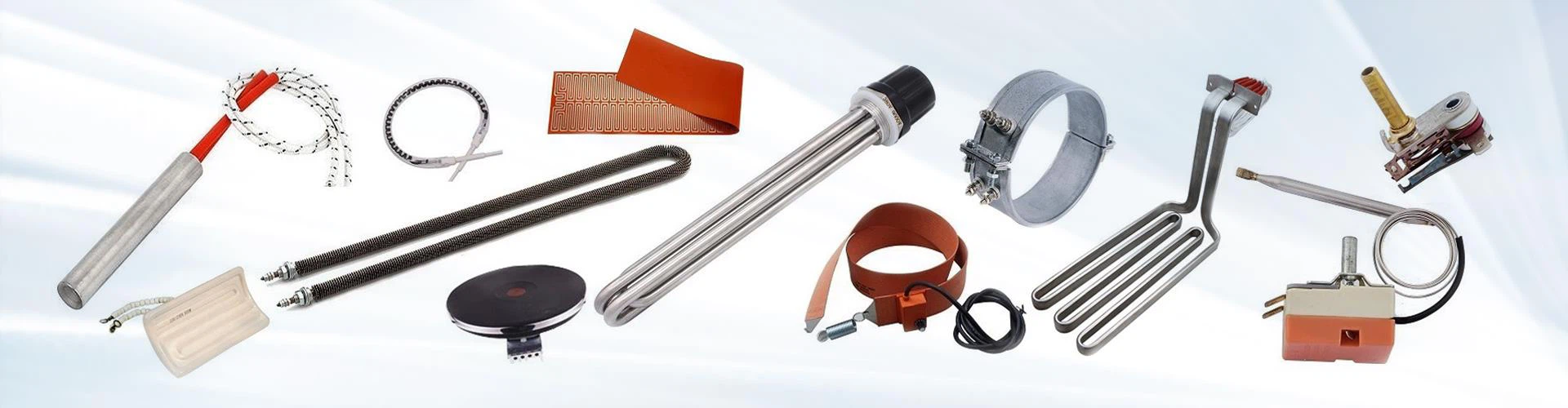
Jan 05, 2026
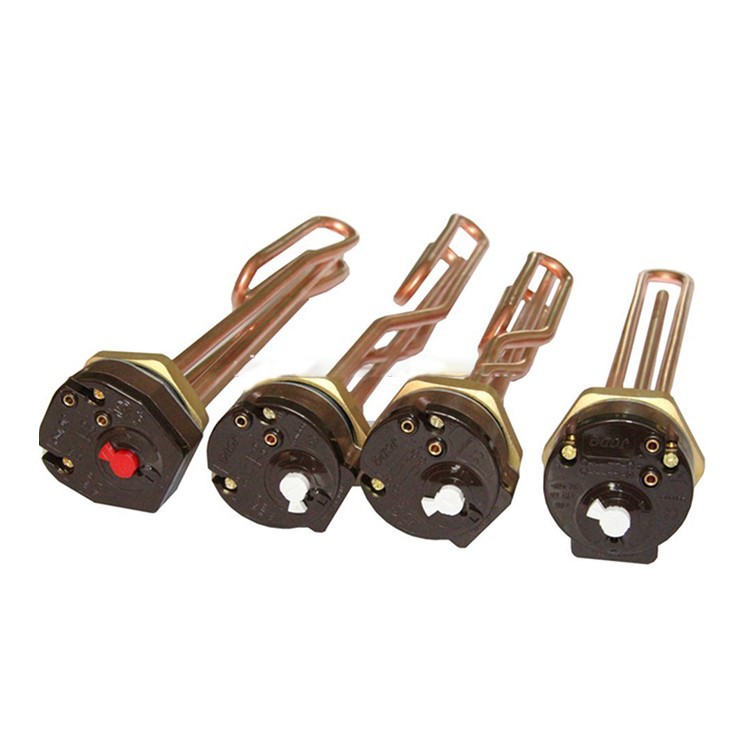
Water heater heating elements are critical components that determine the efficiency, reliability, and safety of electric water heating systems. These tubular heating elements convert electrical energy into thermal energy through resistive heating, making them essential for both residential and commercial water heating applications. Understanding the key technical specifications, material considerations, and performance requirements is crucial for selecting the optimal heating element for your specific needs.
Water heater heating elements are available in various power ratings ranging from 2KW to 12KW, with standard voltage options including 120V, 240V, and 277V AC. The power consumption directly impacts heating speed and energy efficiency. For residential applications, typical power ratings range from 1500W to 4500W, while commercial systems may require higher wattage elements up to 6000W or more.
All heating elements must meet stringent electrical safety standards:
Heating elements operate at temperatures up to 800°C and must withstand the pressure requirements of water heater systems. The sheath material selection is critical for maintaining structural integrity under thermal cycling and pressure stress.
The outer sheath material determines corrosion resistance, thermal conductivity, and application suitability:
|
Material |
Max Temperature |
Key Features |
Applications |
|---|---|---|---|
|
Copper |
350°C |
Excellent thermal conductivity, rapid heating |
Residential water heaters, boilers |
|
SUS304 Stainless Steel |
650°C |
Good corrosion resistance, food-grade |
Commercial water heaters, industrial applications |
|
SUS316L Stainless Steel |
800°C |
Superior corrosion resistance, chloride resistance |
Marine applications, chemical processing |
|
Titanium |
1000°C |
Excellent corrosion resistance, lightweight |
High-temperature industrial processes |
The heating element consists of:
Heating elements must comply with international standards:
Manufacturers conduct comprehensive testing to ensure product reliability:
For household applications, prioritize:
Commercial applications require:
Food Service: 316L stainless steel for superior corrosion resistance
Marine Environments: Titanium elements for saltwater resistance
High-Temperature Processes: Special alloys for temperatures above 800°C
Consider:
Recyclable Materials: Increased use of recyclable sheath materials
Energy Efficiency Standards: Stricter regulations driving innovation
Extended Lifespan: Materials and designs for longer service life
Selecting the right water heater heating element requires careful consideration of power requirements, material compatibility, and application-specific needs. By understanding the technical specifications, performance standards, and maintenance requirements, you can ensure optimal performance, energy efficiency, and long-term reliability for your water heating system. Always prioritize quality-certified products from reputable manufacturers to guarantee safety and performance compliance.

If you require heating elements, Jaye Heater-as a long-standing manufacturer of heating elements-will assist you with our team of professional technicians and sales personnel.
Previous: How to Select the Right Heating Tube Material for Your Application
Next: Open Coil Heaters vs. Tubular Sheathed Heaters: A Narrative Guide to the Right Thermal Choice




