Feb 14, 2025
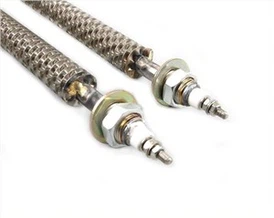
Coil heaters are typically embedded in aluminum plates, installed in ceramic holders, or wrapped around heating rods to provide even heat distribution.
They are positioned in multiple zones to create different temperature regions across the plastic sheet.
Some systems use infrared reflectors to enhance heat efficiency.
Connect the coil heater to a temperature controller for precise heating adjustments.
Use high-temperature-resistant wiring and ensure proper grounding to avoid electrical hazards.
Verify that the heater's voltage and wattage match the machine's power specifications.
Ensure coil heaters are properly insulated to prevent heat loss.
Use thermocouples to monitor temperature changes and prevent overheating.
Regularly check for loose connections or damaged wires before operation.

Before inserting plastic sheets, allow the coil heaters to reach the target temperature to ensure consistent heating.
Set different temperature zones based on the type and thickness of the plastic (e.g., PVC, PET, ABS, PP).
As the coil heaters generate radiant and conductive heat, they gradually soften the plastic sheet.
Maintain uniform temperature distribution to prevent uneven thickness or deformation.
Use airflow or fans if needed to avoid excessive heating in certain areas.
Adjust the heating time and power based on the material type and forming depth.
Use PID controllers for precise temperature regulation and consistency.
Monitor the infrared sensors or thermocouples to prevent overheating and burning.
Remove dust, plastic residue, and carbon buildup from the heater surface.
Use soft brushes or compressed air to clean coil heaters without damaging the wiring.
Check for hot spots, discoloration, or deformations on the coil heaters.
Replace any damaged or burned-out heaters to maintain efficiency.
Use insulated covers to minimize heat loss.
Optimize power settings to reduce energy consumption while maintaining performance.
Implement automated controls to adjust heating power based on production needs.

Coil heaters in thermoforming equipment provide precise, efficient, and uniform heating, ensuring high-quality plastic molding. Proper installation, temperature control, and maintenance are key to maximizing performance and extending the heater's lifespan.
Previous: How to use coil heater in Fuel&Fluid Heating
Next: How to use Jaye Coil Heating Elements in the Food&Beverage Industry