Nov 19, 2024
Enclosures: Use PTC heaters in electronic enclosures, control cabinets, or server rooms where condensation can cause damage to sensitive equipment.
Electrical Components: Apply in areas with exposed electrical components, like junction boxes, sensors, or switchgear, to prevent moisture buildup.
Storage Spaces: In environments like warehouses or storage rooms for items sensitive to humidity, PTC heaters can keep the space dry.
Choose a PTC heater with the correct voltage (typically 110V, 220V, or 24V) and power rating suited for the size of the space or device needing protection.
Consider the size and shape of the heater to ensure it fits within the available space, providing adequate heat coverage without overloading the area.
Positioning: Place the PTC heater at the base or in the middle of the enclosed area, ensuring air circulation around it for effective moisture removal.
Mounting: Attach the heater to a flat surface using appropriate mounting hardware or adhesive tapes. Ensure it's securely fixed to prevent movement that could cause safety issues.
Ensure the heater is connected to a reliable power source with correct insulation and electrical safety precautions.
Use heat-resistant wiring and proper connectors to avoid short circuits or overheating.

Temperature Control: Integrate the heater with a thermostat or humidity sensor to regulate the temperature and prevent overheating while maintaining anti-condensation effects.
Automatic Operation: For convenience, connect the heater to an automatic on/off switch, so it activates when humidity or condensation levels rise, ensuring energy efficiency.
Test: After installation, monitor the system for any signs of condensation. Ensure the heater maintains the temperature within the optimal range for preventing moisture buildup.
Calibration: Adjust the heater settings if necessary to ensure it provides consistent heat without affecting other equipment.
Regular Inspections: Periodically check the PTC heater for signs of wear or damage. Clean the surrounding area to ensure proper heat distribution.
Ensure Proper Ventilation: Ensure the space is adequately ventilated for the heater to function effectively and prevent overheating.
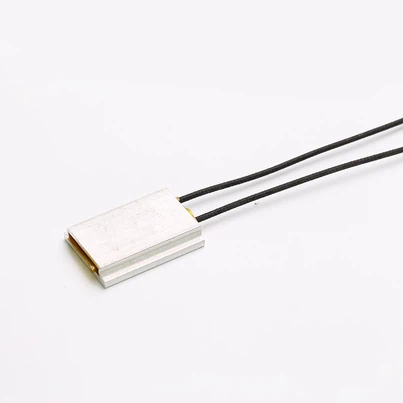
By using Jaye PTC Film and Strip Heaters in anti-condensation applications, you can effectively reduce moisture-related issues, extend the lifespan of sensitive equipment, and improve overall reliability in environments prone to humidity and temperature fluctuations.
Previous: How is the Stove Coil Heater used in the Hookah Electric Heater Stove?
Next: How can I maintain or extend the life of my band heater?