Dec 13, 2024
Heating Area and Size: Calculate the size of the area or objects that need heating. This helps determine the wattage and type of radiant heating elements required. For large industrial applications like drying or curing, you might need higher wattage or multiple heating elements.
Type of Material to Be Heated: Identify the type of material (e.g., metal, plastic, rubber) that requires heating, as different materials absorb heat at different rates. Radiant heaters should be selected based on the material's heat tolerance and the desired outcome (e.g., curing, drying, or surface treatment).
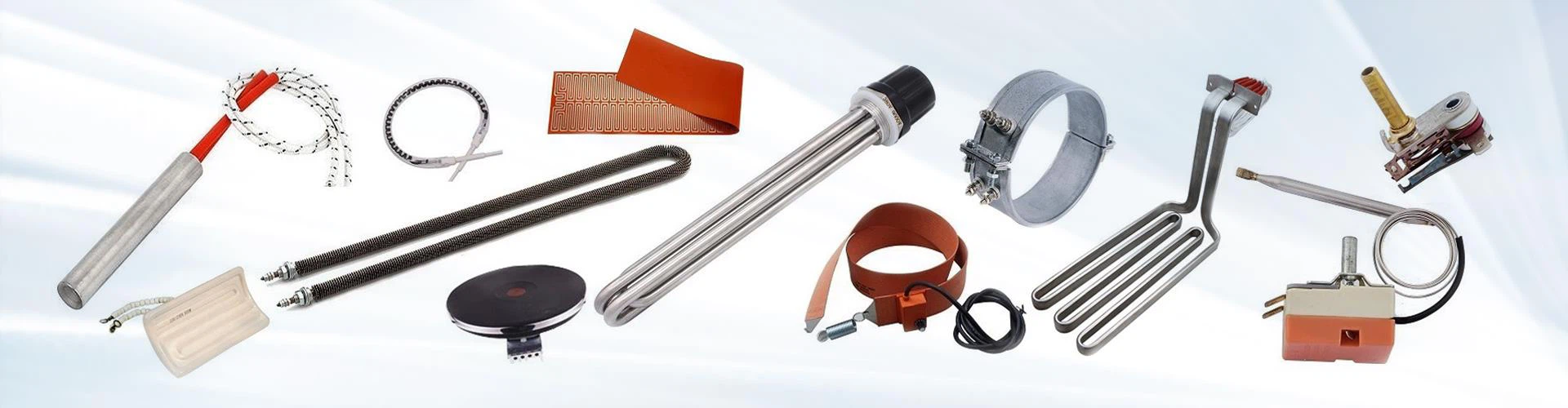
Element Type: Choose from the various types of radiant heating elements offered by Jaye, such as quartz infrared heaters, ceramic heaters, or metal sheath heaters, based on your specific needs. Quartz infrared heaters are ideal for precise and rapid heating, while ceramic or metal sheath elements are often better for larger areas.
Wattage: Select the appropriate wattage for the heating element. Higher wattage is typically needed for larger spaces or applications requiring significant heat output, while lower wattage may be sufficient for smaller, more localized applications.
Mounting Options: Depending on the application, radiant heating elements can be installed in various configurations, such as wall-mounted, ceiling-mounted, or floor-mounted. Ensure that the mounting setup is stable and secure.
For drying and curing ovens, elements may be mounted on the walls or ceiling to maximize heat distribution.
In conveyor systems or production lines, radiant heaters can be installed along the path to provide consistent heat to the items being processed.
Ensure Proper Spacing: When installing multiple radiant heating elements, space them adequately to ensure uniform heat distribution across the target area. Avoid overcrowding, as this can lead to uneven heating.
Electrical Setup: Ensure the heating elements are connected to the correct voltage and power supply. Depending on the wattage and type of heater, this may involve wiring multiple elements to a centralized control system.

Thermostats and Controllers: Use thermostats, temperature controllers, or digital controllers to regulate the heating elements. These devices allow precise control of the temperature to avoid overheating and ensure the system operates within the required parameters.
PID controllers (Proportional-Integral-Derivative controllers) are often used in industrial settings for precise and dynamic temperature control.
Timers may also be useful for applications like curing or drying, where the heat needs to be applied for specific durations.
Variable Power Settings: Many radiant heating elements allow for adjustable power settings, which can help optimize energy consumption. Set the power level according to the heating requirements of the specific task.
Heat Distribution: In industrial applications, radiant heating elements work best when placed in a way that maximizes heat transfer to the material or surface being processed. Monitor the heat distribution across the work area and adjust the positioning of the elements if necessary.
Energy Efficiency: Since radiant heating directly heats objects and surfaces, it's more energy-efficient than traditional air-based heating systems. For improved efficiency, ensure that the heating elements are insulated properly, and the room or area is sealed to retain heat.
Regular Monitoring: Set up regular checks to monitor the performance of the radiant heating system. Inspect the elements for wear, oxidation, or dirt accumulation that could affect their performance. Clean the elements regularly to maintain optimal operation.
Drying and Curing Applications: In industries like coatings, textiles, and food processing, radiant heating elements can accelerate drying and curing times. For maximum efficiency:
Position heaters near the surface of the item being dried or cured to ensure direct heat transfer.
Ensure consistent airflow to help with moisture evaporation in drying applications.
Plastic and Rubber Processing: Use radiant heaters to heat molds or extruders. In injection molding, radiant heaters can quickly and evenly heat metal molds to the required temperature, reducing cycle times and improving product consistency.
Surface Treatment and Metal Heating: Radiant heaters are commonly used to heat metal surfaces for treatments like annealing, hardening, or coating. Ensure the heaters are placed directly above or near the metal parts to target the heating area effectively.
Clearance: Ensure there is sufficient clearance around the radiant heating elements to prevent overheating of nearby surfaces or objects. Follow manufacturer recommendations for safe distances.
Proper Ventilation: Some industrial heating applications (especially curing and drying) can generate fumes or gases. Ensure proper ventilation is in place to avoid a hazardous environment.
Overcurrent Protection: Incorporate overcurrent protection devices such as fuses or circuit breakers in the electrical system to prevent damage to the heating elements and ensure safe operation.

Check for Damage: Inspect heating elements for physical damage, such as cracks or broken components. Damaged elements should be replaced immediately.
Cleanliness: Keep heating elements clean and free from dust, debris, or coatings that could block infrared radiation or cause the system to overheat.
Electrical Connections: Periodically check the electrical connections for signs of wear or corrosion. Tighten loose connections and replace any worn cables or terminals.
By following these steps, you can optimize the use of Jaye Radiant Heating Elements in industrial applications, ensuring efficient and precise heating for a wide range of processes.