
Jan 08, 2025
Power Rating: Select a wattage compatible with the renewable energy output (e.g., 200W–5,000W).
Voltage Compatibility: Ensure the element matches the system's voltage (e.g., 12V or 24V for solar panels, 220V for hybrid setups).
Material: Opt for stainless steel or Incoloy for corrosion resistance and durability in water-based systems.
Solar Water Heaters:
Connect the element to the solar tank to act as a primary or backup heater.
Use a DC-compatible element for direct photovoltaic connections.
Wind Power Systems:
Install in storage tanks to convert excess electricity into thermal energy.
Geothermal Systems:
Use as a supplementary heater to boost water temperatures when geothermal energy alone isn't sufficient.
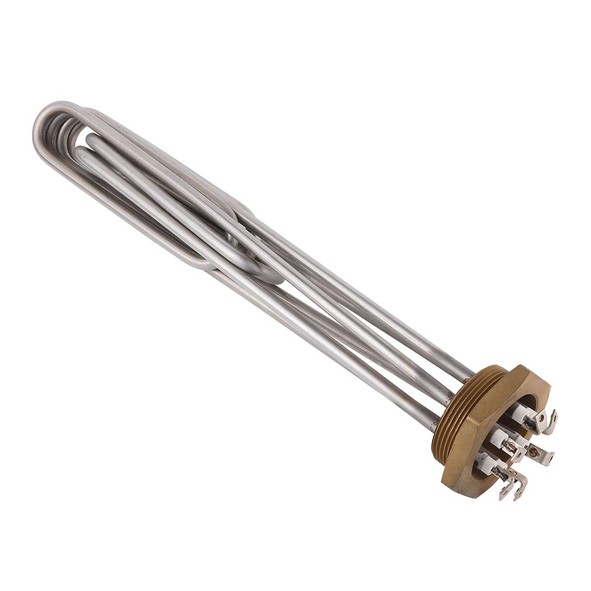
Pair the element with a thermostat to regulate water temperature and optimize energy usage.
Set desired temperature limits to prevent overheating and ensure efficient operation.
Utilize a controller or inverter to manage variable energy inputs from solar or wind systems.
In hybrid setups, prioritize renewable sources while switching to grid power when needed.

Regularly check for scale buildup and clean the element to maintain efficiency.
Inspect connections and wiring to ensure safety and longevity.
By integrating Jaye water heating elements with renewable energy systems, you achieve sustainable, cost-effective, and reliable water heating for various applications.
Previous: How do we ensure uniform heat distribution in Electric Burner Coil Elements?
Next: Jaye how to use Coil Heating Elements in Commercial and Kitchen Equipment





