Nov 21, 2024
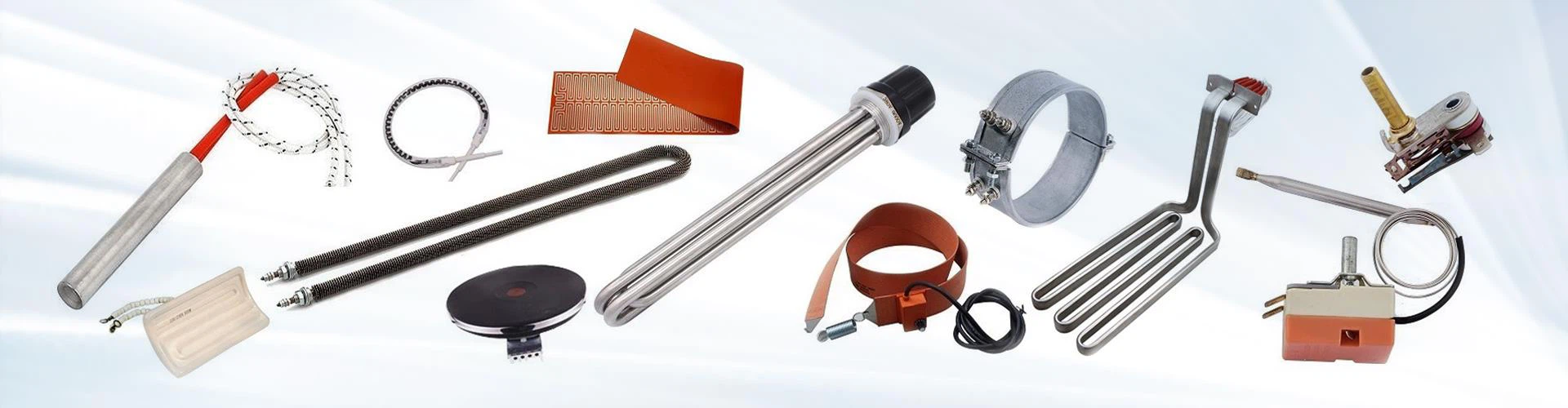
Top (Broil) Heating Element: This element is located at the top of the oven and is used primarily for broiling. It generates intense heat from above and is perfect for browning or grilling food quickly.
Bottom Heating Element: Found at the bottom of the oven, this element is often used for baking and roasting. It provides more gentle, even heat distribution for dishes like cakes, bread, and casseroles.
Convection Heating Element: In convection ovens, there may be an additional heating element along with a fan to circulate hot air, ensuring even heat distribution and faster cooking times.
Baking:
Preheat the Oven: Turn on the oven and select the desired temperature for your recipe. Wait for the oven to fully preheat before placing your dish inside. This ensures even cooking from the start.
Place the Dish on the Middle Rack: Position your dish in the center of the oven to ensure even heat distribution from both the top and bottom elements.
Monitor the Cooking Process: Check your dish periodically. The bottom element will usually provide a more steady, gentle heat for baking cakes, cookies, or bread.
Roasting:
Set the Temperature: Preheat the oven to the appropriate roasting temperature (often higher than baking temperatures).
Use the Bottom Heating Element: Place meat or vegetables on a roasting pan, and position them on the middle or lower rack for best results.
Check for Doneness: Monitor the cooking progress by checking the internal temperature of meats or the tenderness of vegetables.
Broiling:
Select the Broil Setting: Turn the oven's settings to "broil" (top heating element). This will heat up the top element to high temperatures.
Place the Dish Close to the Top Element: Put your dish on the top rack or under the broiler to allow the heat to cook food quickly from above. This is ideal for tasks like melting cheese or crisping the top of casseroles.
Watch Closely: Since broiling uses very high heat, foods can burn quickly. Always watch the food closely and turn it as needed to ensure even cooking.

Avoid Overcrowding: Ensure there's enough space around the dish for heat to circulate, which is particularly important in convection ovens.
Use the Right Rack Position: For baking, use the middle rack to allow heat to evenly circulate around the food. The bottom rack is better for items that require direct heat.
Monitor the Temperature: Ovens can sometimes have slight temperature variations, so it's a good idea to use an oven thermometer to verify the actual temperature.
Clean Regularly: Keep the heating elements clean and free from grease or food spills. Residue can interfere with their effectiveness and even cause a fire. Regularly clean the oven to maintain the elements' longevity.
Element Not Heating: If an element is not heating properly, check for a power issue or a broken element. If the element is visibly damaged (cracked or burnt), it may need to be replaced.
Uneven Heating: If the oven is cooking unevenly, it could be due to a malfunctioning heating element or improper placement of racks. Try adjusting the rack positions and ensure the element is clean and working properly.
By understanding the different types of heating elements in a residential oven and using them appropriately, you can ensure consistent and efficient cooking results, whether you're baking, roasting, or broiling.

Previous: How to use Oven Heating Element in Commercial Ovens
Next: How to design a lower electric heating tube to increase its lifespan?