Nov 22, 2024
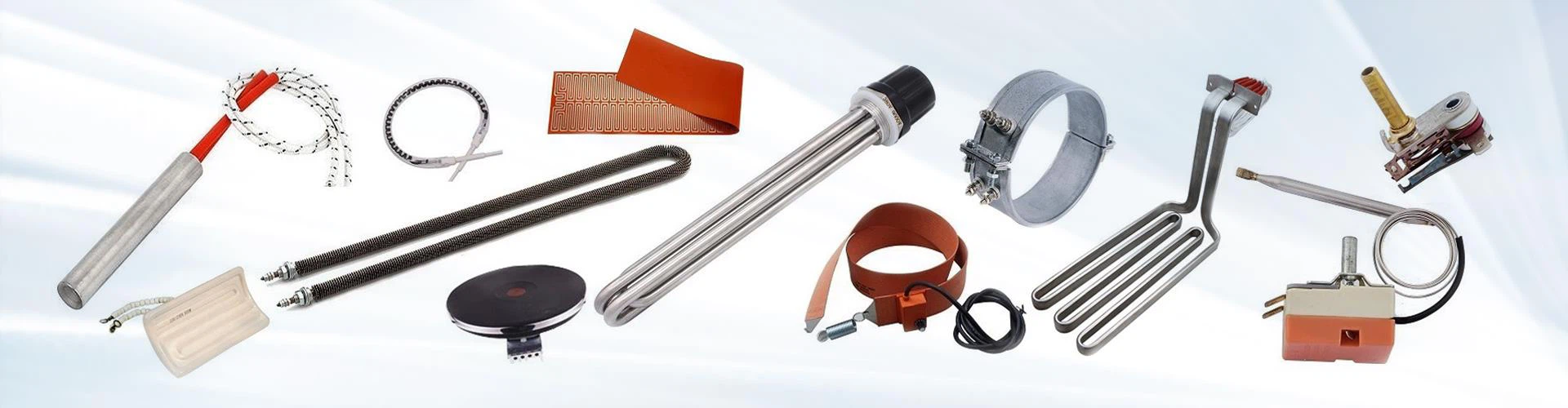
Top Heating Element (Broil): Used for broiling or grilling, the top element in a commercial oven provides intense heat from above, ideal for quickly cooking or browning the surface of meats, vegetables, and other dishes.
Bottom Heating Element: Found in conventional ovens, it provides steady heat from below, perfect for baking, roasting, and even cooking foods that require a longer cook time at moderate temperatures.
Convection Heating Element with Fan: In convection ovens, heating elements work together with fans to distribute heat more evenly and reduce cooking times. The fan ensures the air circulates for uniform heat distribution, making it ideal for baking large batches or dishes that require even cooking, such as pastries or roasts.
Infrared Heating Elements: In some commercial ovens, infrared heating elements are used to provide faster, more efficient heating. These elements emit radiant heat, reducing cooking time and improving energy efficiency.
Baking:
Preheat the Oven: Turn on the oven and set it to the desired baking temperature. Commercial ovens may heat up faster and more evenly than residential models, but ensure the oven has fully preheated before placing your food inside.
Rack Placement: Depending on the type of food, position the racks accordingly. For cakes, bread, and pastries, use the middle rack for even heat distribution.
Monitor Cooking: Commercial ovens often have more powerful heating elements. Keep an eye on the food to ensure it's cooking evenly. You may need to rotate pans or adjust the temperature for large batches.
Roasting:
Set the Desired Temperature: Preheat the oven to the ideal roasting temperature, typically higher than baking temperatures.
Use the Bottom Heating Element: Place meats, vegetables, or other items on a roasting pan. The bottom element will provide steady, consistent heat for roasting, while convection fans (if available) can help circulate air for even roasting.
Monitor Doneness: Check internal temperatures of meats or the texture of vegetables. In commercial ovens, large quantities of food may require slightly adjusted cooking times.
Broiling:
Set to Broil Mode: Switch the oven to its broil setting, which activates the top heating element.
Position Food Close to the Element: Place food closer to the top rack, where the intense heat from the broiler can cook it quickly.
Watch the Cooking Process: Broiling uses high, direct heat, which can burn food quickly. Monitor your food closely, turning it as needed to prevent overcooking or burning.
Convection Cooking:
Activate Convection Mode: If your commercial oven has a convection setting, select it to activate both the heating element and the fan. This ensures even heat distribution, which is especially helpful for large batches of food like cookies, bread, and roasted meats.
Place Food on Multiple Racks: Commercial ovens can accommodate multiple racks. Ensure that there's enough space between trays for air to circulate properly. In convection ovens, positioning food too close together can interfere with airflow and affect cooking results.
Adjust Time and Temperature: Convection ovens cook faster than traditional ovens, so you may need to adjust cooking times and temperatures. Typically, you can lower the temperature by 10-20°C (50°F) and shorten cooking time.
Preheating Efficiency: Since commercial ovens are designed to handle high volumes, make sure to preheat the oven for adequate time before cooking. Some commercial ovens have faster preheat times due to the powerful heating elements.
Avoid Overcrowding: Commercial ovens are used for larger quantities of food, but avoid overcrowding trays or racks. This can block airflow and lead to uneven cooking. Ensure that each tray or pan has enough space around it for optimal heat distribution.
Utilize Different Heating Settings: Many commercial ovens come with different heating options (e.g., top heat, bottom heat, convection, etc.). Select the right one based on the type of cooking or baking you are doing.
Temperature Control: Commercial ovens often have more precise temperature controls, so it's essential to set the right temperature and avoid overcooking. Regularly monitor the temperature with an oven thermometer to ensure it aligns with the desired cooking range.

Regular Cleaning: Keep the heating elements clean from grease, food spills, and debris. Food particles can interfere with heat distribution, cause odors, or even lead to a fire hazard. Clean heating elements periodically with appropriate non-abrasive cleaners.
Check for Visible Damage: Periodically inspect the heating elements for signs of wear, cracks, or burning. If an element is damaged, it may need to be replaced to prevent poor heating or uneven cooking.
Ensure Proper Air Circulation: In convection ovens, check that the fan is functioning correctly. If the fan isn't circulating air properly, the oven may not cook food evenly, even if the heating elements are working well.
Test Elements Regularly: Use a multimeter to check the continuity of heating elements. If the element shows no continuity, it's time to replace it.
Optimize Oven Load: For high-volume cooking, ensure the oven is used to its full capacity. This reduces the need for multiple batches and improves energy efficiency.
Close the Oven Door: Avoid opening the oven door unnecessarily, as this can cause heat loss. When baking or roasting in a commercial setting, try to minimize the time the door is open to maintain consistent temperatures.
Invest in Quality Elements: Commercial heating elements are designed for durability and high performance. Invest in high-quality elements to ensure better energy efficiency and longer operational life.
Infrared Heating Elements: For faster cooking times and energy savings, consider ovens with infrared heating elements. These are particularly useful in quick-serve restaurants and high-demand kitchens where time and efficiency are critical.
Steam Ovens: In addition to heating elements, steam ovens use moisture to cook food. The heating elements in these ovens are used to generate steam, which can speed up cooking times and retain moisture in food.
By understanding how to utilize the different types of heating elements in a commercial oven, Jaye advise you can optimize cooking efficiency, improve food quality, and ensure consistent results in high-volume cooking environments.





