
Jan 31, 2024
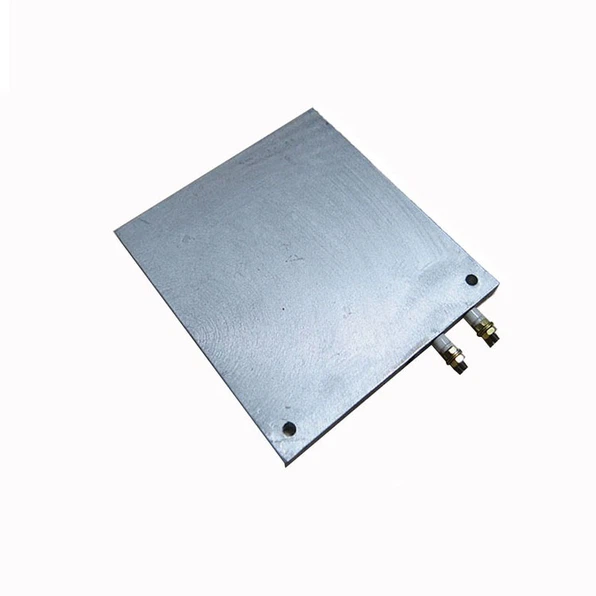
The manufacture process of cast-in aluminum heater plates involves several steps to create a durable and efficient heating element. Here is a general overview of the manufacturing process:
1. Design and Specification:
The process begins with the design and specification of the cast-in aluminum heater plate. This includes determining the size, shape, wattage, and any specific features required for the application.
2. Selection of Materials:
High-quality aluminum alloy is typically chosen for the casting material due to its excellent thermal conductivity, corrosion resistance, and mechanical properties. The heating element may be made of a resistive material that is compatible with the casting process.
3. Mold Preparation:
A mold is created based on the design specifications. The mold is often made from materials like steel or other alloys. It should be designed to allow the molten aluminum to flow into the desired shape.
4. Casting Process:
The casting process involves melting the aluminum and pouring it into the prepared mold. This can be done using various methods such as sand casting or die casting, depending on the complexity of the design and the required precision.
5. Integration of Heating Element:
If the design includes an embedded heating element, this is integrated into the mold before casting. The heating element is often made of a resistive material, and its placement within the aluminum structure ensures efficient heat transfer.
6. Cooling and Solidification:
After the molten aluminum is poured into the mold, the casting is allowed to cool and solidify. This process may involve controlled cooling to prevent the formation of defects in the aluminum structure.
7. Machining and Finishing:
Once the aluminum has solidified, the cast-in heater plate undergoes machining processes to achieve the final shape and dimensions. This may involve cutting, grinding, or other machining techniques. The surface may also be treated to enhance corrosion resistance or improve surface finish.
8. Quality Control:
The finished cast-in aluminum heater plate undergoes quality control checks to ensure it meets the specified requirements. This may include dimensional checks, electrical tests, and visual inspections.
9. Packaging and Shipping:
The final step involves packaging the cast-in aluminum heater plates for shipment to customers or end-users.
Throughout the manufacturing process, attention to detail, precision, and adherence to quality standards are crucial to ensuring the reliability and performance of the cast-in aluminum heater plates. The specific details of the process may vary based on the manufacturer's equipment, expertise, and the requirements of the application.
Previous: What are the features to look for when buying a hot plate for cooking?
Next: How does a hot plate compare to a gas or induction stove in terms of energy efficiency?




