What Exactly Is a Cartridge Heater?
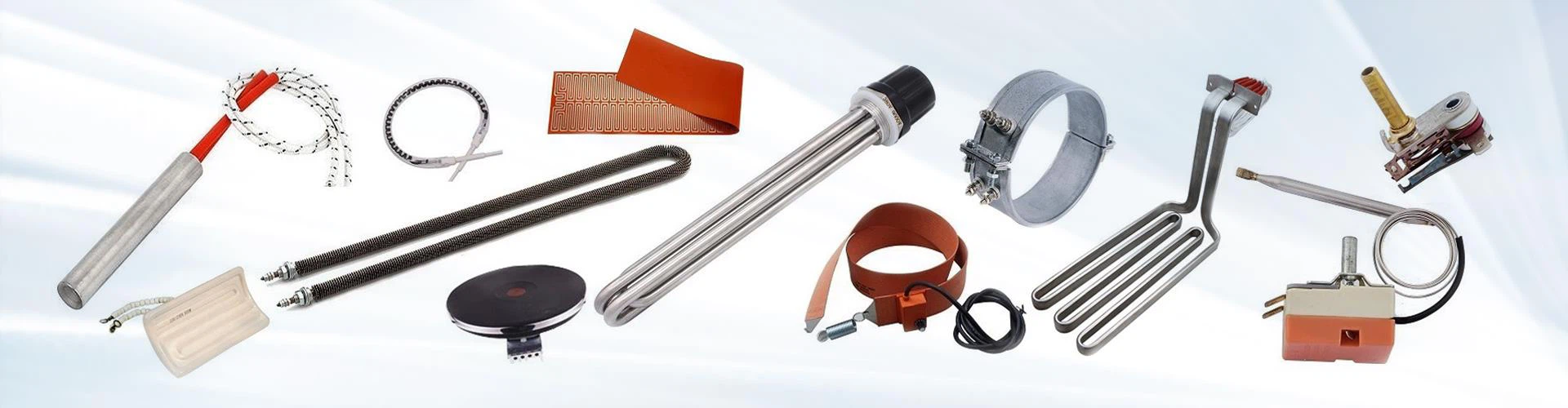
Cartridge heaters are cylindrical, high-wattage heating elements typically used to be inserted into holes drilled into metal blocks, molds, or machinery. Cartridge heaters differ from immersion heaters (which heat liquids directly), because they discharge heat via conduction. While less common, cartridge heaters can also be used to heat non-metallic solids, such as a composite our plastic injection mold.
Key Components:
- Metal Sheath (stainless steel, Incoloy, or Copper for corrosion resistance)
- Resistance Wire (generally nickel-chromium for good heat output)
- Magnesium Oxide (MgO) Insulation (allows for efficient heat transfer and electrical safety)
- Leads and Terminals (power connection, in high temp fiberglass insulation weather-proofed if required)

How Do Cartridge Heaters Work? (Simple Explanation)
- Electricity flows through the coiled resistance wire, inside the sheath.
- The resistance creates heat which warms the wire.
- The heat dissipates outward through the MgO insulation to the metal sheath.
- Once the sheath is warm the metal block or mold eventually warms up.
- Pro Tip: For the best performance the heater must fit snugly in the hole, it is too loose, then heat transfer is not optimal, and it it is too tight, it may not fit and break.
Where Are Cartridge Heaters Used? (Real-World Applications)
These heaters are everywhere in manufacturing. Some top uses include:
- Plastic Injection Molding – Keeps molds at exact temps for smooth plastic flow.
- Packaging Machines – Seals plastic films and cuts materials cleanly.
- Food Processing – Heats sealing bars, ovens, and liquid dispensers.
- Medical Devices – Sterilizers, fluid warmers, and lab equipment.
- Aerospace & Automotive – Engine block warming, de-icing systems.
Contact us