Jun 30, 2025
When you're engineering heating solutions for demanding environments, the choice between Kapton® polyimide heaters and silicone rubber heaters hinges on critical performance factors. Here's why Kapton consistently delivers superior value where precision, reliability, and space constraints matter:
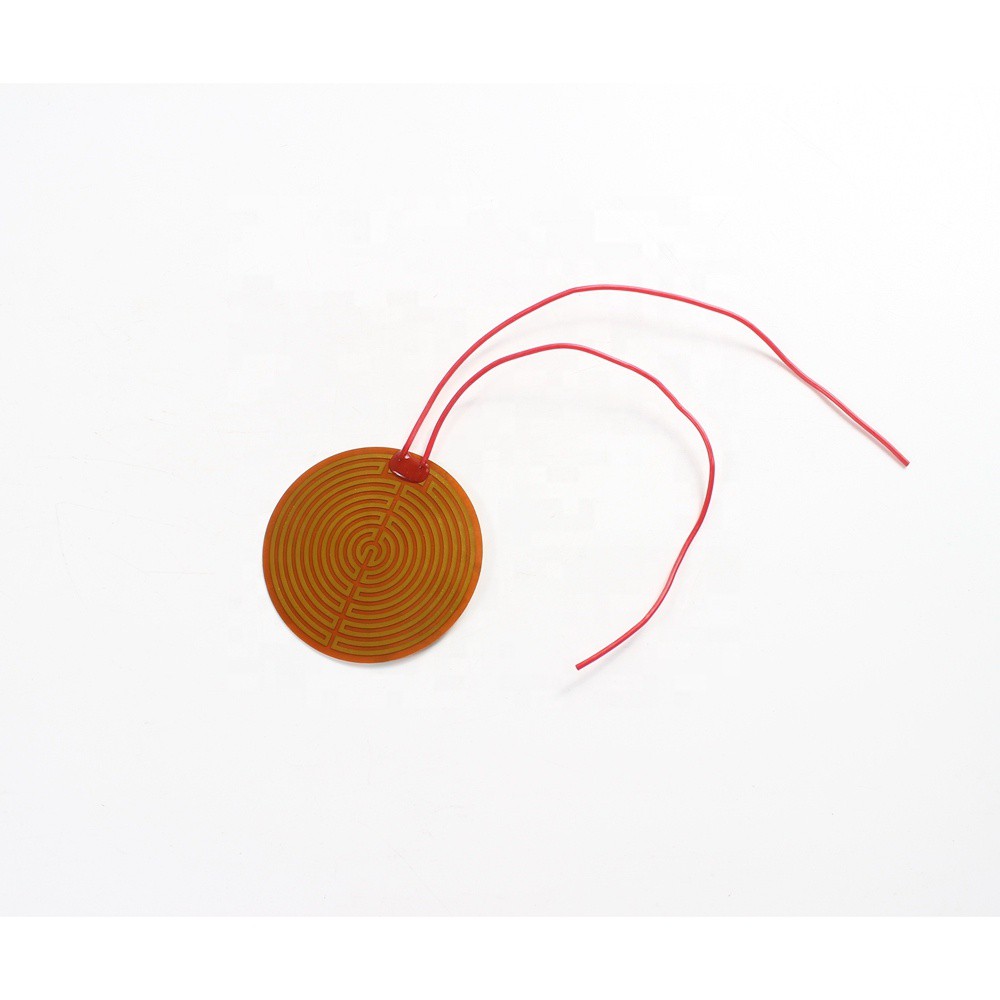
At just 0.07–0.25mm thick, Kapton heaters integrate invisibly into your assemblies without adding bulk. You gain design freedom in compact electronics or aerospace systems where silicone rubber's 1.5–3mm profile would force compromises. This ultra-slim construction also means faster thermal response-heat transfers directly to your target surface with minimal energy loss.
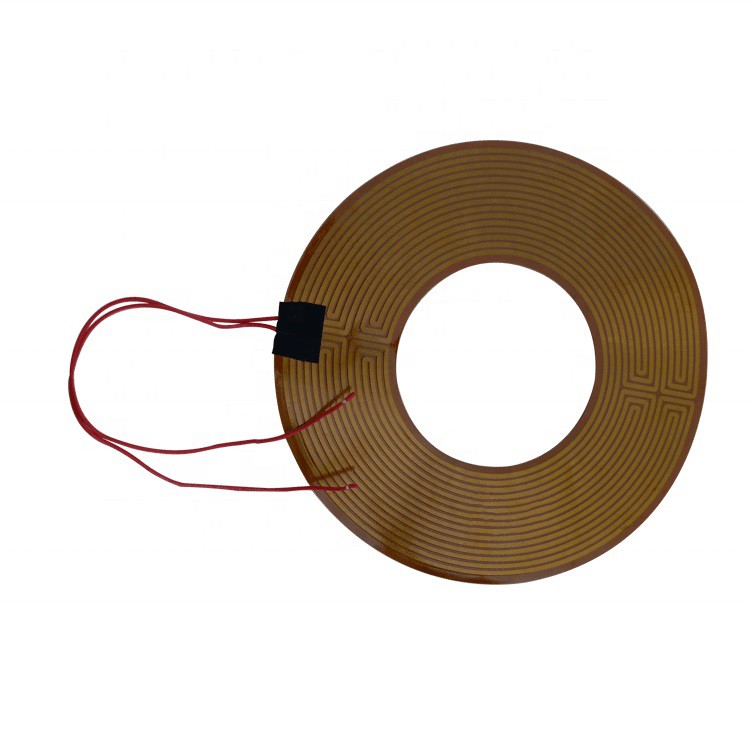
Your applications demand exact temperature uniformity. Kapton's etched foil circuits deliver precisely controlled heat distribution across the entire surface, eliminating hotspots common in thicker silicone designs. With thermal conductivity up to 0.2 W/mK and dielectric strengths exceeding 3000VAC, you achieve consistent performance even in high-voltage environments where silicone may degrade.

While silicone rubber resists moisture, Kapton excels where you face aggressive solvents, fuels, or radiation. Its inherent chemical inertness withstands aviation hydraulics, medical sterilization, or semiconductor processing fluids that cause silicone to swell or embrittle. You'll also avoid silicone's outgassing risks in vacuum systems-a critical advantage for space or lab equipment.
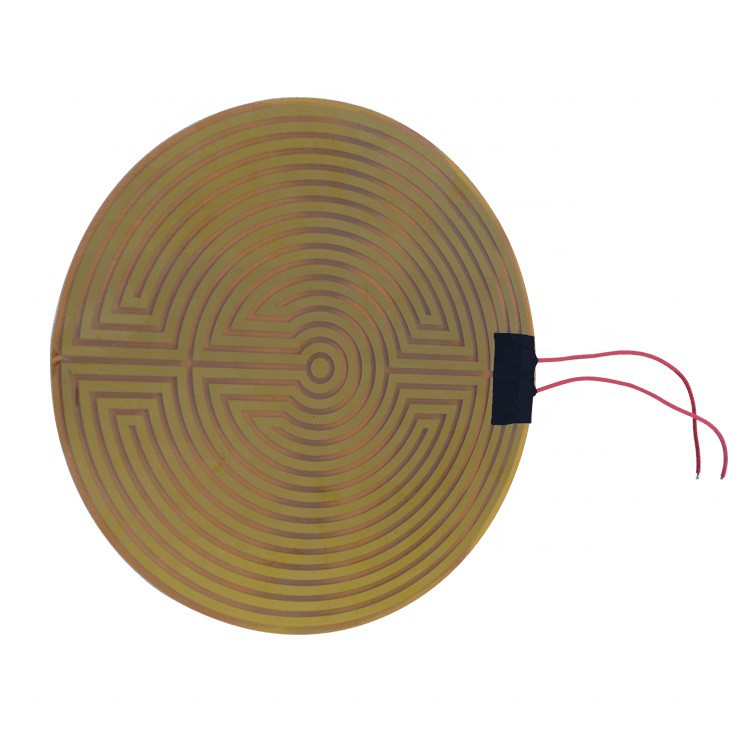
Your heaters must outlast the products they power. Kapton's -269°C to +400°C operational range and near-zero thermal expansion prevent delamination under thermal cycling. Unlike silicone, which can crack at flex points, Kapton's molecular stability ensures millions of bend cycles without failure. This translates to lower lifetime costs and fewer field replacements for your clients.

In aerospace or robotics, every gram impacts efficiency. At 1.42 g/cm³ density, Kapton heaters weigh up to 70% less than equivalent silicone units. You reduce system load while maintaining robustness-a key reason NASA and medical OEMs standardize on polyimide for mission-critical heating.