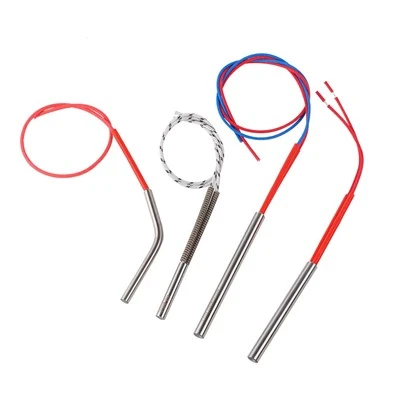
Rod heating elements are electric heating components designed to provide controlled heat for PVC welding equipment. They convert electrical energy into thermal energy and transfer heat to the welding tool or metal heating block, allowing PVC materials to reach the temperature required for...
Jaye Heater Technology Co., Ltd. is one of the most reliable manufacturers and suppliers of rod heating elements for pvc welding in China, also supports custom service. Welcome to wholesale high quality rod heating elements for pvc welding at competitive price from our factory.
Rod heating elements are electric heating components designed to provide controlled heat for PVC welding equipment. They convert electrical energy into thermal energy and transfer heat to the welding tool or metal heating block, allowing PVC materials to reach the temperature required for welding.
In PVC welding applications, rod heaters are commonly used in plastic welding machines, PVC pipe welding equipment, and specialized heat-sealing systems.
Their compact structure, efficient heat transfer, and ability to operate at relatively high temperatures make them suitable for industrial plastic welding applications.
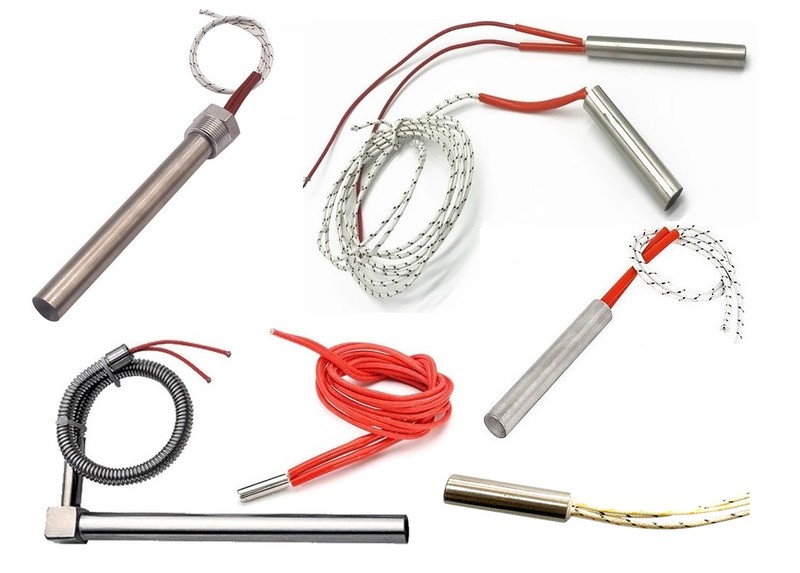
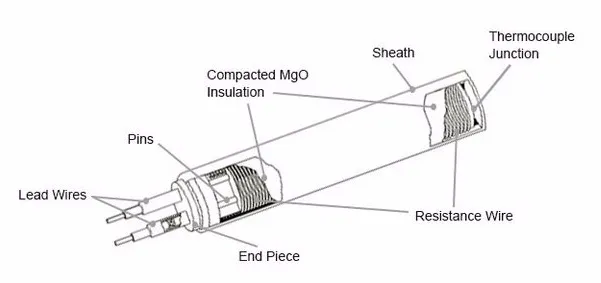
Rod heating elements work through electrical resistance heating.
The working process generally involves four steps:
Step 1: Electrical Energy Conversion
When electrical power is supplied, current passes through the internal resistance heating wire, typically made of nickel-chromium (NiCr) alloy. The electrical energy is converted into heat.
Step 2: Heat Transfer
The heat generated by the resistance wire is transferred through electrically insulating materials, such as magnesium oxide (MgO), to the metal sheath of the rod heater.
Step 3: Heating the Welding Tool
The rod heater is installed inside a metal heating block or welding tool. Heat is transferred from the heater to the metal surface, which then heats the PVC material.
Step 4: PVC Welding
When PVC surfaces reach the appropriate welding temperature, they soften or melt. Pressure is then applied to join the two PVC surfaces. After cooling, the materials form a bonded joint.
The temperature and heating time must be carefully controlled to achieve consistent welding quality and avoid overheating or damaging the PVC material.
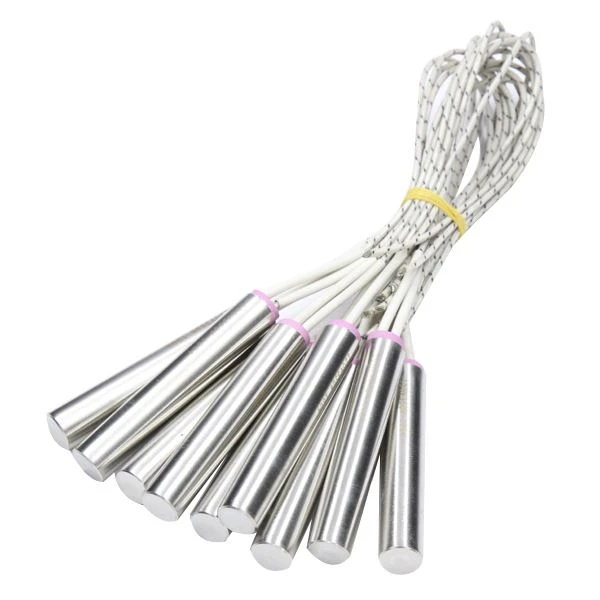
Rod heating elements can be used in different types of plastic welding equipment, including:
The specific heater design depends on the machine structure, heating requirements, and welding process.
Choosing the right rod heater is important for achieving stable heating performance and extending the service life of the equipment.
| Selection Factor | Key Considerations |
|---|---|
| Diameter and Length | Must match the installation hole and available space. |
| Voltage | Should match the machine's electrical supply. |
| Wattage | Determines the heating power and heat-up performance. |
| Sheath Material | Should be selected according to operating temperature and working environment. |
| Operating Temperature | Must meet the requirements of the PVC welding process. |
| Temperature Control | A suitable thermostat or temperature controller helps maintain stable heating. |
| Installation | Proper fitting and thermal contact help improve heat transfer. |
For customized rod heaters, manufacturers should evaluate the equipment structure and actual operating conditions before recommending specifications.
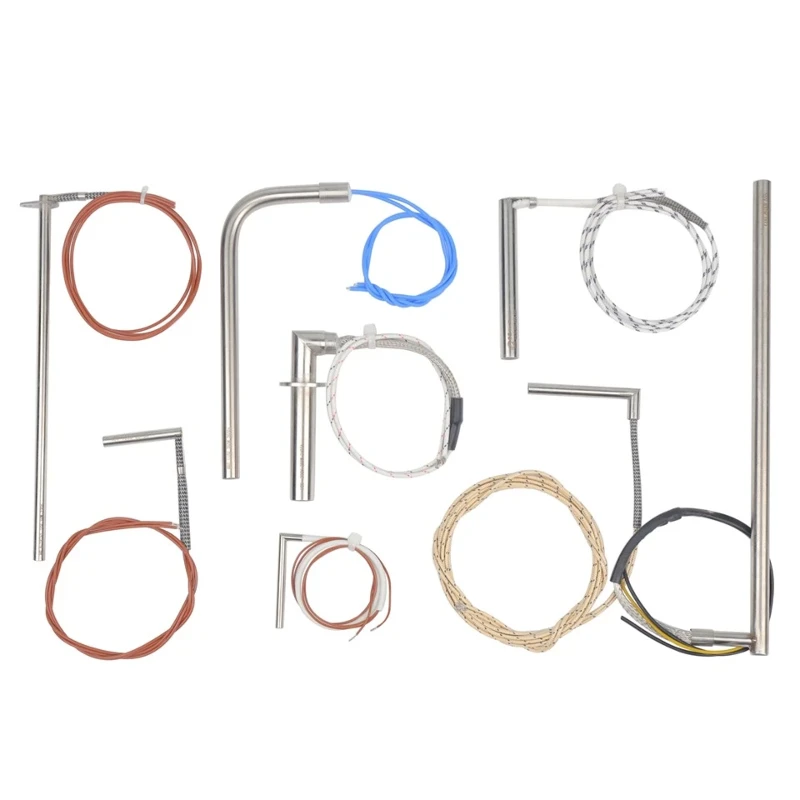
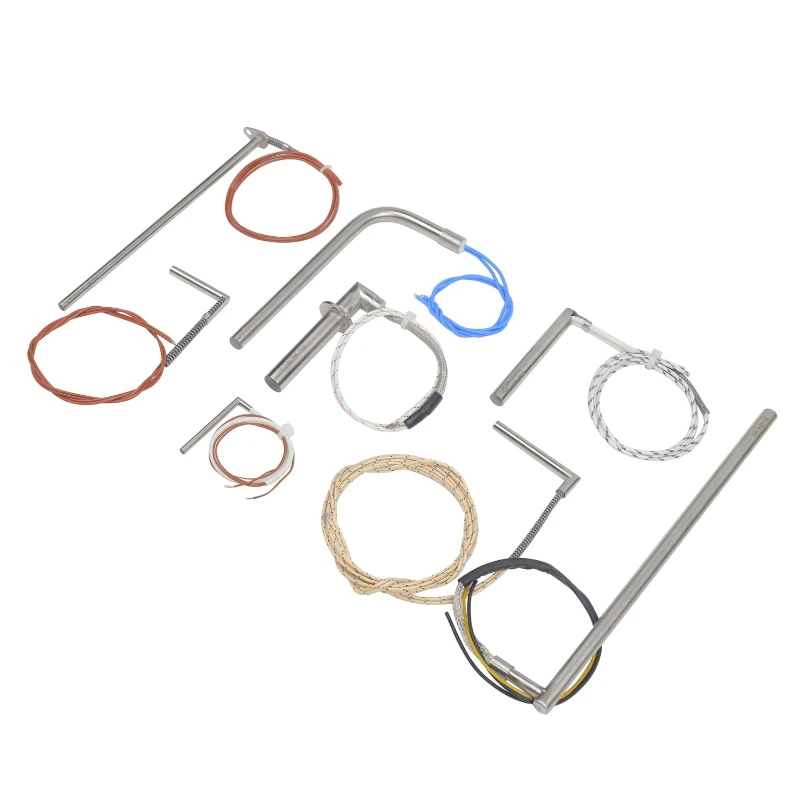
JAYE HEATER manufactures and supplies various industrial heating elements for different equipment and applications.
For PVC welding equipment manufacturers and plastic processing companies, JAYE can provide customized rod heating solutions according to customer requirements.
Our advantages include:
Whether you need replacement rod heaters or customized heating elements for new PVC welding equipment, JAYE HEATER can help evaluate your requirements and provide suitable solutions.
Q1: What is the working principle of a rod heating element in PVC welding?
A: A rod heating element uses electrical resistance to generate heat. The heat is transferred through the metal sheath to the welding tool, which heats and softens PVC surfaces before they are joined together.
Q2: What temperature is required for PVC welding?
A: The required temperature depends on the PVC material, welding method, equipment design, and process conditions. There is no single suitable temperature for every PVC welding application. Proper temperature testing and control are essential to prevent material degradation.
Q3: Can rod heating elements be customized for PVC welding machines?
A: Yes. Rod heating elements can be customized in diameter, length, voltage, wattage, and sheath material according to the equipment's installation space and heating requirements.
Hot Tags: rod heating elements for pvc welding, China, manufacturers, suppliers, factory, wholesale, custom, price, electric, high quality