25
Apr
 How do silicone rubber heaters contribute to the freeze-drying process?
Silicone rubber heaters play a crucial role in the freeze-drying process by providing the necessary heat energy to facilitate the sublimation of moisture from frozen materials. When materials are frozen, moisture is typically trapped within them in the form of ice. However, during freeze drying,...
23
Apr
 How are silicone rubber heaters designed to withstand the extreme temperature...
Silicone rubber heaters are specifically designed to withstand the extreme temperatures encountered in freeze dryers, which typically range from as low as -50°C (-58°F) to as high as 200°C (392°F). Several design features contribute to their ability to withstand these...
17
Apr
 How is the IBC heater protected against moisture or spills from the drum?
Protecting the IBC heater against moisture or spills from the drum is crucial to ensure safe and reliable operation. Here are some common methods used to achieve this: 1-Waterproof Materials: IBC heaters are often constructed from waterproof materials such as moisture-resistant fabrics or...
15
Apr
 How does the IBC heater ensure safe and consistent temperature control for se...
Ensuring safe and consistent temperature control for sensitive materials is crucial in many industrial processes, and IBC heaters are designed with several features to achieve this: 1-Thermostat Control: Most IBC heaters are equipped with built-in thermostats that monitor the temperature of the...
12
Apr
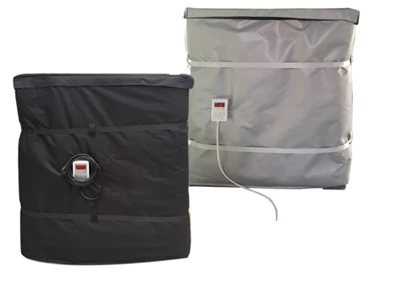 How is the IBC heater designed for easy installation and removal on the drum?
The IBC (Intermediate Bulk Container) heater is typically designed for easy installation and removal on the drum to facilitate efficient use and maintenance. Here are some common design features that contribute to this ease of installation and removal: 1-Straps or Buckles: Many IBC heaters come...
02
Jan
 Applications of Silicone Rubber Heater in Automotive Industry
Silicone rubber heaters find various applications in the automotive industry due to their flexibility, durability, and ability to provide efficient and uniform heat distribution. Some common applications of silicone rubber heaters in the automotive sector include: 1. Engine Preheating: Silicone...
30
Dec
 Are there specific guidelines for the proper storage of silicone rubber heate...
Yes, there are specific guidelines to ensure the proper storage of silicone rubber heaters and extend their shelf life. Here are some key tips: 1. Avoid exposure to direct sunlight or extreme temperatures: Store silicone rubber heaters in a cool, dry, and dark place. Do not place them under...
30
Dec
 Can silicone rubber heaters be used in food and beverage processing applicati...
Yes, silicone rubber heaters can be used in food and beverage processing applications. In fact, they are often used in these industries for applications such as temperature control of food and beverage processing equipment and maintaining consistent temperatures during food and beverage production.
31
Dec
 What considerations should be taken into account when designing silicone rubb...
When it comes to designing silicone rubber heaters for use in vacuum or low-pressure environments, there are several key considerations that must be taken into account in order to ensure optimal performance and long-term durability.
29
Dec
 Are there any advancements in materials or technologies that are influencing ...
Yes, there are several advancements in materials and technologies that are influencing the development of next-generation silicone rubber heaters.
28
Dec
 How do temperature controllers and thermostats contribute to the precision an...
Temperature controllers and thermostats are vital components that contribute to the precision and stability of silicone rubber heaters in various applications. These devices help regulate and maintain a consistent temperature, preventing overheating and other temperature-related issues.
28
Dec
 Can silicone rubber heaters be used in applications requiring fast response t...
Silicone rubber heaters are known for their excellent thermal properties and resistance to extreme temperatures. They are widely used in various industrial applications, including those that require fast response times.
27
Dec
 What steps can be taken to troubleshoot and diagnose issues with silicone rub...
Silicone rubber heaters are a common heating solution for a wide range of industrial and commercial applications. These heaters offer excellent thermal stability, uniform heat distribution, and resistance to chemicals, moisture, and impact. However, like any other electrical devices, silicone rubber heaters may encounter issues during operation, which require troubleshooting and diagnosis. Here are some steps that can be taken to identify and fix issues with silicone rubber heaters:
26
Dec
 In what ways can silicone rubber heaters contribute to energy savings and red...
Silicone rubber heaters can contribute to energy savings and reduced environmental impact in industrial processes in several ways:
25
Dec
 How does the electrical insulation property of silicone rubber contribute to ...
The electrical insulation property of silicone rubber is crucial for the safety of heaters, particularly in high-voltage applications. Here's an explanation:
20
Dec
 How to Choose Lead Wire Types for Silicone Rubber Heaters?
Selecting the appropriate lead wire for silicone rubber heaters is crucial to ensure proper electrical performance, flexibility, and compatibility with the application. Here are key considerations to guide your choice: 1. Temperature Rating: Choose lead wires with a temperature rating that...
26
Dec
 Differences Between Silicone Wire-Wound heater and Etched Foil Silicone Heater
Silicone wire-wound heaters and etched foil silicone heaters are two different types of silicone-based heating elements, each with its own construction, characteristics, and applications. Here are the key differences between them: Silicone Wire-Wound Heater: 1. Construction: Heating Element:...
25
Dec
 How to Choose a Silicone Rubber Heater?
Choosing the right silicone rubber heater involves considering various factors to ensure it meets your specific application requirements. Here's a general guide on how to choose a silicone rubber heater: 1. Define Your Application Requirements: Identify the specific heating needs of your...
02
Dec
 Mounting Methods Of Silicone Rubber Heater
Mounting silicone rubber heaters properly is essential for efficient heat transfer and the longevity of the heating element. Silicone rubber heaters are designed to be flexible and conform to various surfaces, and there are several methods for mounting them. Here are common mounting methods for...
26
Nov
 Can Silicone Rubber Heater Work in Minus 40 Degree Ice Area?
Silicone rubber heaters are known for their flexibility and ability to operate in a wide range of temperatures, making them suitable for both high and low-temperature applications. In general, silicone rubber heaters can effectively operate in extremely cold environments such as -40 degrees....