19
Oct
 Are there specific safety considerations associated with thick film heaters, ...
Yes, there are specific safety considerations associated with thick film heaters, especially in high-temperature applications. Thick film heaters are used in various industrial and commercial applications, such as in ovens, medical devices, automotive systems, and more. When operating at high temperatures, several safety precautions need to be taken into account to prevent accidents, ensure the longevity of the heater, and maintain the overall safety of the system. Here are some key safety considerations:
18
Oct
 What are the challenges faced in the design and manufacturing of large-scale ...
Designing and manufacturing large-scale thick film heaters present several challenges that engineers and manufacturers need to overcome. Thick film heaters are widely used in various industrial and consumer applications, including automotive, aerospace, electronics, and appliances. The challenges faced in their design and manufacturing include:
17
Oct
 How to Classify Film Heaters?
Film heaters are versatile and can be classified based on their construction materails. 1. Polyimide Film Heaters Polyimide film heaters use polyimide film as the base material. They are lightweight, flexible, and can withstand high temperatures. Polyimide Film Heaters are designed to operate in...
16
Oct
 How is the thickness of the film in a thick film heater controlled, and why i...
The thickness of the film in a thick film heater is controlled during the manufacturing process. Thick film heaters are created by depositing a conductive paste, usually made of metal powders suspended in a binder material, onto a substrate (such as ceramic or stainless steel) and then firing it at high temperatures to create a thick, stable film...
16
Oct
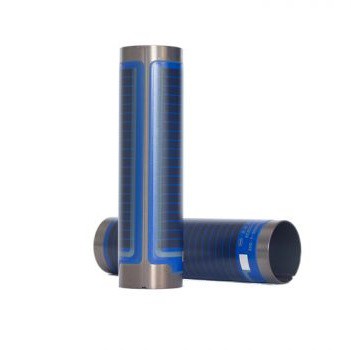 What factors affect the efficiency and performance of thick film heaters?
Thick film heaters are widely used in various applications, such as in automotive, aerospace, medical, and consumer electronics, due to their versatility and efficiency. Several factors can affect the efficiency and performance of thick film heaters:
11
Oct
 Can you explain the working principle behind thick film heaters and how they ...
Thick film heaters work based on the principle of Joule heating, which is the process by which an electric current passing through a conductor produces heat. Here's how thick film heaters generate heat and work...
11
Oct
 What are the key industries and applications where thick film heaters are ext...
Thick film heaters are used in various industries and applications due to their efficiency, flexibility, and cost-effectiveness. They are typically made by depositing a special ink containing metal components onto a substrate and then sintering it to create a thick film. Here are some key industries and applications where thick film heaters are extensively used:
10
Oct
 What are the typical temperature ranges that thick film heaters can operate w...
Thick film heaters are versatile and can be designed to operate within a wide range of temperature settings. The actual temperature range a thick film heater can operate within depends on several factors including the materials used, the design of the heating element, and the specific application requirements. However, here are some general guidelines regarding the typical temperature ranges for thick film heaters:
10
Oct
 How is the thick film heating element applied to different substrates?
Thick film heating elements are versatile and can be applied to various substrates using different techniques. These heating elements are composed of a resistive layer, typically made of a ceramic and metal mixture, which generates heat when an electric current passes through it. Here's how thick film heating elements are applied to different substrates:
09
Oct
 What are the advantages of using thick film heaters in various applications?
Thick film heaters offer several advantages in various applications due to their unique characteristics and manufacturing processes. Here are some of the key advantages of using thick film heaters...
06
Oct
 What materials are commonly used in the manufacturing of thick film heaters?
Thick film heaters are commonly used in various applications, including industrial, automotive, and consumer electronics. These heaters are made by depositing a thick film of resistive material on a substrate. The choice of materials for thick film heaters depends on factors such as the operating temperature, power requirements, and the specific application. Here are the commonly used materials in the manufacturing of thick film heaters:
05
Oct
 What is a thick film heater and how does it differ from traditional heaters?
A thick film heater is a type of heating element used in various applications, ranging from industrial processes to consumer appliances. It is called "thick film" because the heating element is made of a thick layer of conductive and resistive material, usually a metal alloy or a combination of metal oxides, printed onto a ceramic or metal substrate. This thick film layer serves as the resistive element that generates heat when an electric current passes through it.
19
Sep
 How does the flexibility and thinness of PI film heaters contribute to their ...
Polyimide (PI) film heaters are known for their flexibility, thinness, and a variety of beneficial properties that make them suitable for a wide range of applications. Here's how the flexibility and thinness of PI film heaters contribute to their usability in various applications...
06
Sep
 How do factors like voltage, current, and wattage affect the performance of a...
PI (Polyimide) film heaters are thin, flexible heaters that are widely used in various applications where precise and controlled heating is required. The performance of a PI film heater is affected by several factors, including voltage, current, and wattage. Here's how these factors influence the performance of a PI film heater....
05
Sep
 How does a PI film heater operate?
A PI film heater, also known as a polyimide film heater, operates based on the principles of electrical resistance heating. It consists of a thin film made from a polyimide material that has excellent thermal stability, electrical insulation properties, and flexibility. Here's how a PI film heater operates...
25
Aug
 What are some examples of industries that use PI film heaters for specialized...
PI film heaters, also known as polyimide film heaters, are thin and flexible heating elements made from polyimide film that can be customized to fit various shapes and sizes. They are used in a wide range of industries for specialized purposes due to their versatility and unique properties. Here are some examples of industries that use PI film heaters for specialized purposes...
24
Aug
 What role does the thermal conductivity of the polyimide material play in the...
The thermal conductivity of a polyimide (PI) material plays a significant role in the efficiency of PI film heaters. PI film heaters are often used in applications where controlled and efficient heating is required, such as in electronics, aerospace, medical devices, and more. The thermal...
23
Aug
 What are the advantages of using PI film heaters compared to traditional heat...
Using PI film heaters (Polyimide film heaters) offers several advantages over traditional heating methods. Here are some key benefits: 1. Uniform Heat Distribution: PI film heaters provide even and uniform heat distribution across their surface, minimizing hotspots and ensuring consistent...
22
Feb
 How do the properties of these materials affect the performance and efficienc...
Thick film heaters are typically made from a ceramic or stainless steel substrate with a thick film of conductive material such as a metal oxide or carbon-based ink printed onto its surface. The properties of both the ceramic substrate and the conductive material can affect the performance and...
30
Dec
 What are the technical characteristics of the aluminum foil heater? What prod...
What are the technical characteristics of the aluminum foil heater? What products are suitable for use? The aluminum foil heater is a kind of sheet heating element, in which the heating wire is stuck between two aluminum foils. It has a self-adhesive bottom layer, which is convenient, fast and...