Mar 31, 2026
In recent years, carbon fiber quartz tubes have emerged as a next-generation solution in electric heating technology.
Compared with conventional metal-based heating elements, this type of heater integrates advanced materials with optimized structural design, offering improved efficiency, durability, and environmental performance.
Their growing adoption across industrial and commercial sectors reflects a broader shift toward energy-efficient heating systems.
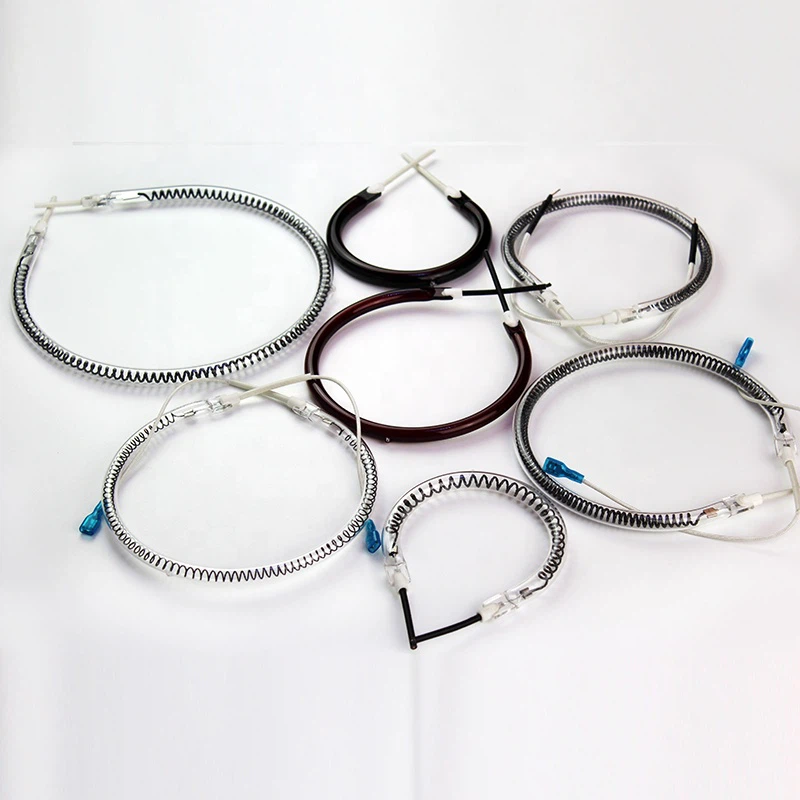
A carbon fiber quartz tube consists of a carbon fiber filament sealed within a high-purity quartz glass envelope, typically under vacuum conditions.
Unlike traditional resistance wires, carbon fiber behaves close to a "black body" radiator, meaning it converts electrical energy into thermal radiation with minimal visible light loss. This enables efficient emission of far-infrared wavelengths, typically in the 8–15 μm range, which are readily absorbed by materials such as water, organic compounds, and human tissue.
Carbon fiber heating elements achieve electrothermal conversion efficiencies exceeding 95%, significantly higher than conventional nickel-chromium or tungsten-based heaters. This can result in energy savings of around 30% under comparable operating conditions.
The structure allows fast heat-up and cool-down cycles, minimizing thermal inertia. In practical applications, usable heat output can be reached within seconds, making these tubes suitable for intermittent or precision-controlled processes.
Due to the absence of oxidation in vacuum conditions and the inherent stability of carbon fiber, the service life typically ranges from 5,000 to 8,000 hours or more-substantially longer than standard quartz heating tubes.
The emitted far-infrared radiation has strong penetration and absorption characteristics, reducing heat loss during transfer. This improves overall heating uniformity and effectiveness, especially in drying and surface treatment processes.
Carbon fiber quartz tubes produce minimal visible الضوء, no ultraviolet radiation, and no harmful emissions. Additionally, they operate without significant inrush current, reducing electrical stress on systems and improving operational safety.
One critical design feature is the vacuum environment inside the quartz tube. This prevents oxidation of the carbon fiber filament at high temperatures and ensures long-term stability.
High-purity, dehydroxylated quartz glass improves infrared transmission efficiency. Lower hydroxyl content enhances thermal output and reduces energy loss during radiation.
The geometry of the carbon fiber filament (e.g., spiral, straight, or U-shape) can be optimized to achieve uniform heat distribution and directional radiation. This is particularly important in industrial drying or coating applications where consistency is critical.
Quartz glass offers excellent مقاومت against thermal shock and corrosion. It can withstand rapid temperature changes (e.g., heating to over 1000°C followed by sudden cooling) without structural failure, ensuring reliability in demanding environments.
Compared to conventional quartz tubes with metal resistance wires:
Efficiency: Carbon fiber tubes offer higher energy conversion efficiency.
Lifespan: Typically 2–3 times longer operational life.
Thermal Performance: More uniform radiation and better absorption characteristics.
Environmental Impact: Use of renewable carbon-based materials reduces ecological footprint.
While traditional quartz heaters may provide faster initial response in some cases, carbon fiber quartz tubes deliver superior overall efficiency and durability.
Due to their performance advantages, carbon fiber quartz tubes are widely used in:
Their ability to provide targeted, efficient heating makes them particularly suitable for processes requiring precise temperature control and energy optimization.
Carbon fiber quartz tubes represent a significant advancement in heating technology, combining high efficiency, long lifespan, and optimized structural design. Through innovations such as vacuum sealing, material purification, and infrared radiation control, these heaters outperform traditional solutions in both industrial and commercial applications.
As energy efficiency and sustainability become increasingly important, carbon fiber-based heating elements are expected to play a central role in the future development of thermal systems.

If you require heating elements, Jaye Heater-as a long-standing manufacturer of heating elements-will assist you with our team of professional technicians and sales personnel.