Jun 26, 2025
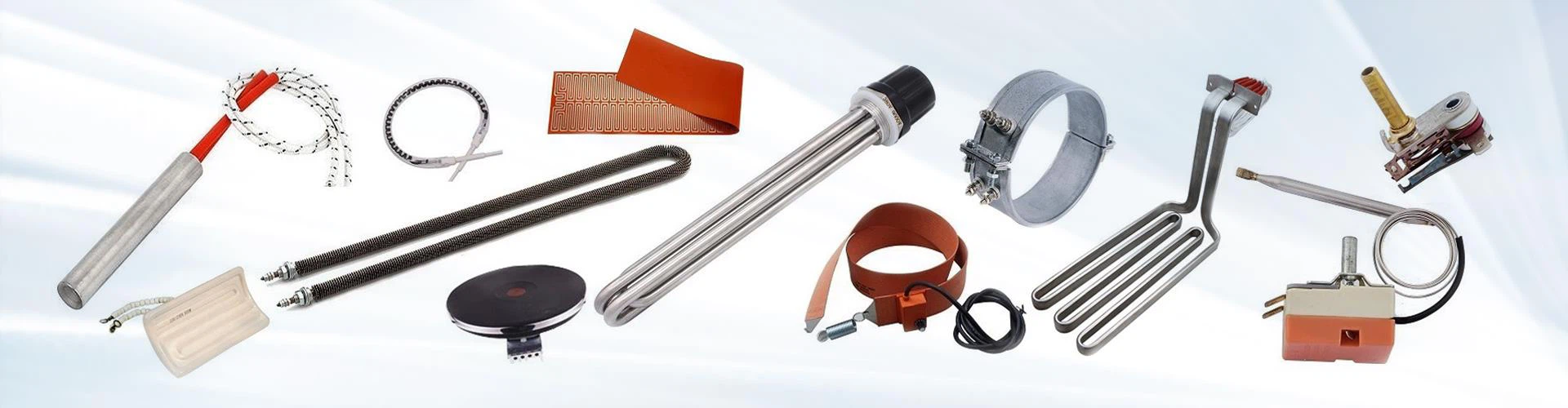
Ceramic strip heaters are engineered for maximum energy efficiency and longevity. The components include:
Heating element: Precision wound high-resistance alloy wire (NiCr or FeCr metalloy) is coiled into a shape to give maximum distribution of heat.
Ceramic insulation: The thermal conductivity of ceramics is high, but their electrical conductivity is low compared to mica, or fiberglass, with less energy lost.
Protective sleeve: The sheath is made of a stainless steel, Incoloy, or titanium that resists moisture and corrosion to avoid the wear and tear of the ceramic.
Optional fins: Models with optional fins provide a greater heating surface area and increase the heat transfer rate when heating air.
Why Ceramic?
Higher temperature: Rated for up to 650°C (1200°F) – higher than mica heaters
Faster heat sensitivity: Most ceramic heaters respond faster than all others to drops in temperature because of better thermal conductance.
Longer life: Better performance (e.g. less susceptible to thermal shock or wall degradation lead to fewer replacements) equals long-term savings in labour costs.
Ceramic strip heaters serve as vital components across diverse industrial sectors, each with unique thermal requirements:
A. Semiconductor and Microelectronics Production
These heaters enable precision temperature control in wafer fabrication and solder reflow processes, where even minor thermal inconsistencies or particulate contamination can compromise product quality. Their clean operation meets stringent cleanroom standards.
B. Healthcare and Research Applications
Medical sterilization autoclaves and analytical laboratory instruments depend on these heaters for maintaining exact temperature profiles essential for effective sterilization and accurate diagnostic results. The stability of ceramic heating elements proves particularly valuable in sensitive medical environments.
C. Food Processing and Packaging Systems
From heat-sealing packaging equipment to continuous drying conveyors and bulk liquid storage tanks, these heaters provide both the sanitary design and thermal consistency demanded by food safety regulations. Their construction prevents product contamination while delivering uniform heat distribution.
D. Transportation Industry Thermal Solutions
In vehicle and aircraft manufacturing, these robust heaters withstand the rigorous demands of composite material curing processes, structural adhesive bonding operations, and high-volume battery production. Their durability under continuous industrial use makes them particularly suitable for these challenging applications.

Low Watt Density (5–15 W/in²): Best for slow, controlled heating (e.g., plastics molding).
High Watt Density (20–45 W/in²): Suitable for fast air heating or metal surface applications.
Standard models range from 120V to 480V, with custom configurations available for specialized needs.
Corrosive Environments? Opt for Incoloy or Monel sheathing.
High Humidity? Sealed terminal enclosures prevent moisture ingress.
Proper Mounting: Ensure full contact with the heated surface to prevent hotspots.
Thermal Expansion Allowance: Leave slight clearance to avoid warping due to heat cycling.
Regular Inspections: Check for cracks, corrosion, or loose electrical connections.
Cleanliness Matters: Dust and debris can insulate the heater, reducing efficiency.
Ceramic strip heaters may not get much attention, but they're the workhorses behind countless industrial heating applications. What makes them special? Three key qualities: precision, reliability, and durability. These characteristics have made them the go-to solution for industries where temperature control can't be compromised.
For engineers and buyers, knowing the ins and outs of these heaters means making better purchasing decisions. And when standard models won't cut it, top manufacturers like Watlow, Backer Hotwatt, and Tempco can create custom solutions tailored to your exact needs.
The takeaway? These unassuming heating elements pack serious performance - whether you need off-the-shelf reliability or specialized configurations.
Previous: Mica Strip Heaters in Action: Precision Heating for Every Industry
Next: Ceramic Strip Heaters: A Comprehensive Guide to Industrial Heating Solutions