Jul 25, 2026
Dry Heating vs Liquid Heating Elements: What Is the Difference?
Heating elements are widely used in industrial equipment, household appliances, and commercial systems. Based on the heating method, they can generally be divided into dry heating elements and liquid heating elements. Understanding the differences can help you choose the right solution for your application.
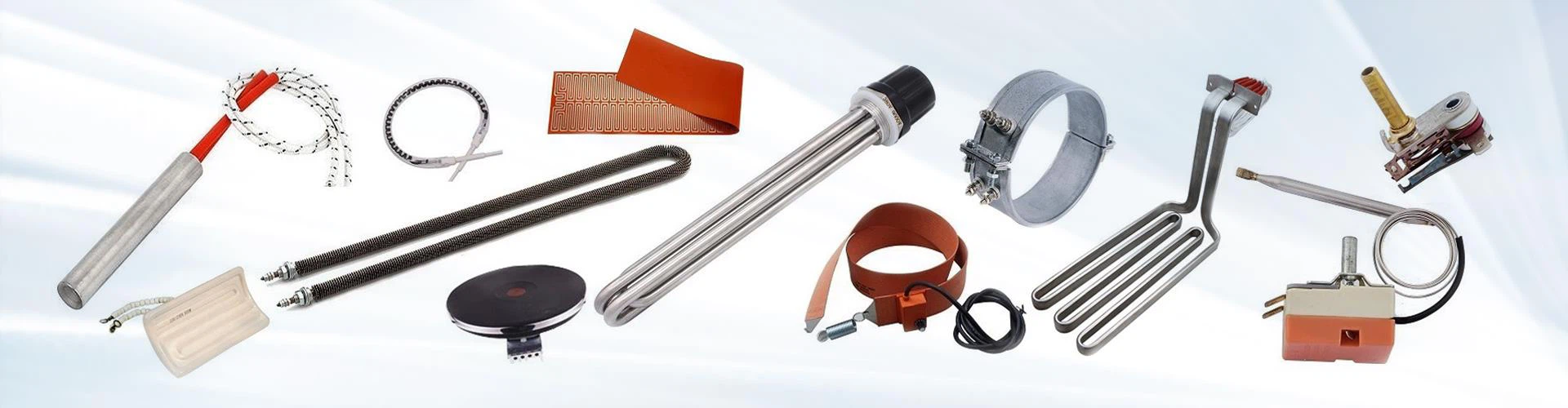
Dry heating elements are designed to heat air, surfaces, or solid materials directly without contacting liquids. Common types include cartridge heaters, mica heaters, ceramic heaters, and silicone rubber heaters. They are widely used in applications such as plastic processing machines, ovens, packaging equipment, and electronic devices. Dry heaters usually offer fast response times, easy installation, and flexible customization.
Liquid heating elements are designed to transfer heat directly into liquids such as water, oil, or chemical solutions. Typical products include immersion heaters and tubular heating elements. They are commonly used in water tanks, boilers, industrial cleaning equipment, and food processing systems. These heaters provide efficient heat transfer because the heating element is in direct contact with the liquid.
When choosing between dry and liquid heating elements, consider the heating medium, operating temperature, installation method, and working environment. The right choice can improve heating efficiency, reduce energy consumption, and extend equipment life.
Whether for industrial machinery or commercial applications, selecting a suitable heating element is essential for achieving stable and reliable heating performance.


Previous: Why Temperature Control Is Important for Heating Elements?
Next: How to Choose the Right Silicone Rubber Heater for Your Application?