
Jun 19, 2025
Aluminium electric heating plates are commonly used in wafer heating stations (also called wafer hot plates) for semiconductor, photoresist processing, and other precision thermal applications. Here's how they work:
The heating plate consists of an aluminium plate embedded with electric heating elements (like resistive wires or etched foil heaters). When electricity passes through these elements, they generate heat due to Joule heating (I²R effect), which is then conducted uniformly across the aluminium plate.
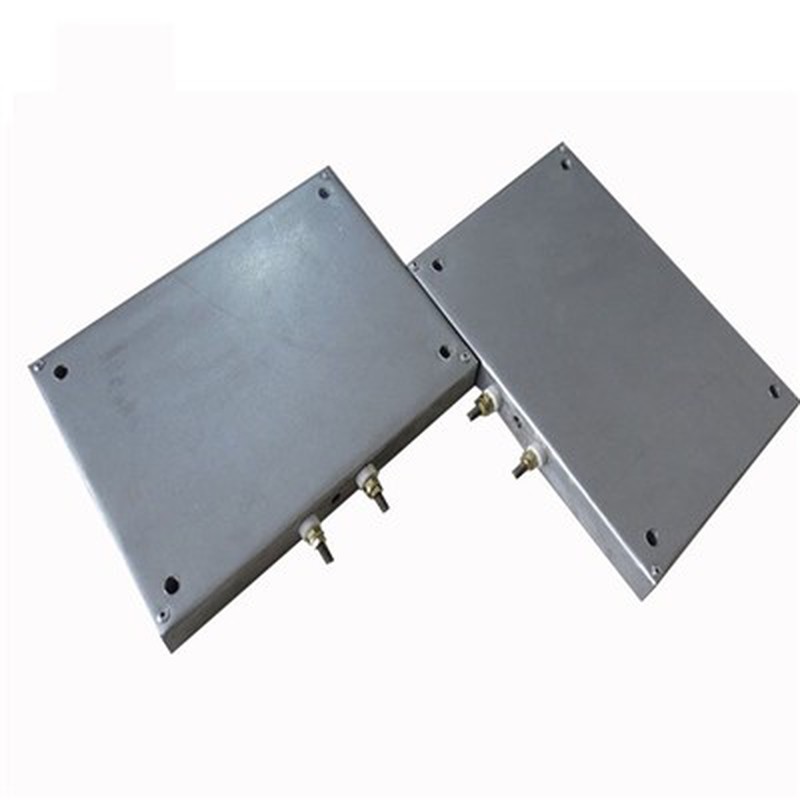
Aluminium Plate:
High thermal conductivity ensures even heat distribution.
Often anodized to prevent corrosion and improve durability.
Flatness is critical for uniform wafer contact (minimizing thermal gradients).
Heating Element:
Typically made of nichrome (NiCr) or Kanthal wire, or etched foil heaters.
Embedded inside or bonded to the aluminium plate.
Temperature Sensor (RTD/Thermocouple):
Monitors temperature for closed-loop control.
Ensures precise and stable heating (critical for wafer processing).
Insulation & Housing:
Prevents heat loss and protects internal components.
May include ceramic or silicone insulation for high-temperature stability.
Controller (PID or PLC):
Adjusts power to maintain a set temperature with minimal overshoot.

The wafer is placed directly on the heated aluminium surface.
Heat is transferred via conduction, ensuring uniform temperature across the wafer.
Some systems use vacuum chucks to hold the wafer flat against the plate for better thermal contact.

Previous: How do liquid expansion thermostats achieve ±1°C accuracy in electric water heaters?
Next: How do Die Casting Aluminum Heaters used in Food Warming Trays?




