Aug 26, 2025
Self-Regulating Heat Output:
PTC heaters automatically increase power in cold conditions (e.g., sub-zero altitudes) and reduce output as sensors approach optimal temperatures. This prevents overheating delicate components (e.g., pitot tubes, cameras, or LiDAR sensors) while ensuring ice cannot form.
Low Thermal Mass:
PTC materials heat rapidly, critical for drones encountering sudden icing conditions during ascent or descent. Traditional heaters may respond too slowly, risking sensor failure.

Ultra-Thin, Flexible Designs:
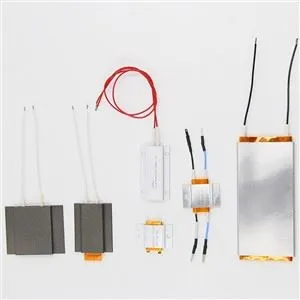
PTC heaters can be fabricated as thin films or tapes, conforming directly to sensor housings without adding bulk. This is vital for drones, where every gram impacts flight time and stability.
Targeted Heating:
Instead of warming entire drone surfaces, PTC elements focus heat only on critical sensors (e.g., IMUs, gyroscopes), minimizing energy use.
Adaptive Power Draw:
During icing conditions, PTC heaters draw maximum power to melt ice quickly. Once clear, power drops to a maintenance level (e.g., 10-20% of peak), preserving battery life for flight operations.
No External Controls Needed:
Drones lack space for complex thermostats. PTC heaters operate independently, reducing wiring and control system weight.
Resistance to Vibration and Moisture:
Encapsulated PTC elements withstand turbulence, humidity, and rapid temperature swings without degradation.
Fail-Safe Operation:
If a drone's airflow is blocked (e.g., by ice buildup), traditional heaters could overheat and damage sensors. PTC heaters inherently limit maximum temperature, preventing fires or component failure.
Commercial Drones (e.g., Surveying, Delivery):
Thin PTC patches on LiDAR sensors prevent ice-induced data distortion during cold-weather missions.
Aviation Sensors (e.g., Pitot Tubes):
PTC heaters embedded in pitot tubes ensure accurate airspeed readings by preventing ice blockages, critical for flight safety.
Satellite and UAV Cameras:
Maintain lens clarity in high-altitude missions without adding significant weight or power draw.
| Method | PTC Heater Advantage |
|---|---|
| Resistive Coils | No risk of burnout; self-regulating. |
| Hot Air Bleed (Aircraft) | No need for engine power; ideal for electric drones. |
| Chemical Solutions | No refilling or environmental concerns; reusable. |
Previous: How Aluminum Foil Heating Mat Work For Seedling Cultivation Heater?
Next: How Do PTC Heaters Improve Safety and Efficiency in Modern Hair Dryers?